
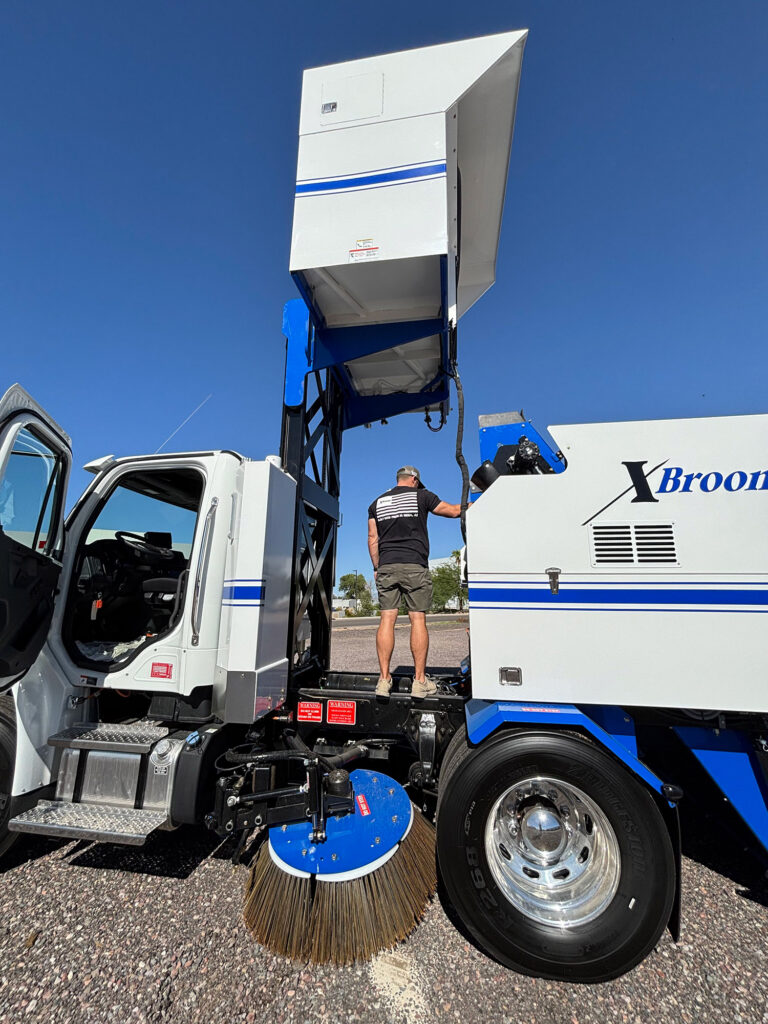
Municipal and contractor teams in Texas face complex site demands when preparing and finishing roadwork. Properly documenting and meeting heavy civil road sweeping requirements reduces safety risks, avoids rework, and keeps projects on schedule and under budget. This guide explains practical specifications, equipment expectations, and procurement considerations for DOT contractors, public works crews, and heavy civil operators.

Why strict sweeping requirements matter for Texas road projects
Road sweeping is not just cleanliness, it is a safety and performance activity. Leftover asphalt chips, millings, and aggregate cause punctures, create airborne dust that impairs visibility, and increase liability for crews and the public. For high-production jobs like asphalt milling and chip seal, sweepers must meet jobsite throughput expectations, require minimal maintenance, and minimize dump frequency to keep crews moving.
Key outcomes owners expect
- Reduced tire and vehicle damage claims
- Cleaner, safer surfaces for subsequent paving or chip sealing
- Faster turnover between milling and paving shifts
- Lower total cost of ownership through durable equipment and fewer service stops
Core technical requirements for heavy civil road sweeping
Capacity and production rates
Contract specifications commonly call for high hopper volumes and long sweep durations between dumps. Look for sweepers rated for continuous operation on long sweeps, with hopper sizes and conveyance systems sized for heavy millings and high-volume debris.
Debris handling and separation
Machines must separate fines and large aggregate, maintain dust control, and prevent clogs from wet millings. Mechanical pick-up heads with reinforced bristles and robust conveyor systems are standard for heavy civil applications. Dust suppression systems should be adjustable for varying material moisture.
Durability and serviceability
Expect heavy-gauge steel bodies, replaceable wear components, and easy-access service points for filters, belts, and brooms. Designs that reduce daily maintenance time directly increase uptime and lower lifecycle costs.
Safety and compliance
Sweeping operations on Texas state routes or municipal arterials must follow traffic control plans, OSHA requirements, and DOT specs. Equipment should include high-visibility lighting, backup alarms, and operator ergonomics to limit fatigue during long shifts.
Spec language you can use in RFPs and contracts
When writing procurement specs for city or county projects, be explicit about throughput, durability, and maintenance windows. Example requirements to include:
- Minimum hopper volume and conveyance rate in cubic yards per hour
- Broom material and replacement interval expectations
- Dust suppression system capacity and water feed controls
- Service access points and mean time to repair targets
- Required training and on-site diagnostics from the manufacturer
Selecting the right sweeper for Texas heavy civil work
Match machine to the task
For asphalt milling and chip seal, prioritize mechanical sweepers designed for heavy debris. Vacuum-only units can struggle with large aggregate and wet millings. Evaluate machines in real-world conditions and request demo runs on representative material.
Total cost of ownership over sticker price
Assess maintenance schedules, spare parts availability, and whether manufacturer service packages include rapid response. A higher initial investment in a heavy-duty sweeper often pays off through uptime and fewer dump cycles.
Procurement tips for fleet managers and procurement officers
- Require a documented uptime guarantee for peak season work
- Ask for references from contractors who do asphalt milling and chip seal
- Verify availability of certified technicians within your region
Texas-specific considerations
Local climate, project types, and DOT standards in Texas make material moisture and dust control top priorities. During warm, dry months, dust suppression capacity must be higher. For coastal regions, corrosive environments require more corrosion-resistant components.
Integrating sweeping into your project schedule
Plan sweep passes immediately after milling and prior to paving or chip seal. Coordinate dump points to minimize deadhead time. Long sweep times and large hoppers reduce crew interruptions and improve paving continuity.
Frequently Asked Questions
What hopper size is typical for heavy civil sweeping on highway jobs?
Hopper sizes vary, but heavy civil jobs benefit from large-capacity hoppers that reduce dump frequency. Specify minimum cubic yard capacity based on job length and debris estimates.
Are mechanical sweepers better than vacuum sweepers for milling debris?
For aggressive millings and large aggregate, mechanical sweepers with reinforced brooms and conveyors outperform vacuum-only units, which can clog or require excessive passes.
How important is dust suppression on Texas projects?
Very important, especially during dry months. Adjustable dust control systems help meet air quality requirements and keep visibility safe for crews.
What maintenance features reduce downtime?
Easy-access service points, modular wear parts, on-board diagnostics, and locally stocked spare parts cut repair time and maximize uptime.
Should procurement require on-site demos?
Yes. Require vendors to demonstrate sweepers on milled material to validate production rates and handling capabilities.
How can fleet managers justify higher-cost sweepers?
Use lifecycle cost models that include downtime, maintenance labor, dump frequency, and productivity gains. Present real jobsite data from demos.
Are there DOT or municipal standards to reference in bids?
Yes, reference state DOT specs and municipal public works standards. Include performance metrics rather than brand models.
Get pricing and schedule a demo
If you manage fleets or oversee highway contracts in Texas and need to validate sweeper performance on real-world milling and chip seal conditions, request a demo. Evaluate uptime guarantees, parts availability, and maintenance training before awarding equipment purchases. For product details explore XBroom street sweeper products or build a custom spec with Build a Truck. For manufacturer background see Why Choose XBroom and reach out via Contact Nescon.
Call Phone: 480-505-0001 to request pricing, demos, or technical specifications.
Conclusion
Meeting heavy civil road sweeping requirements means specifying the right equipment, demanding real-world performance, and prioritizing uptime and durability. For Texas projects, dust control and debris handling are non-negotiable. When procurement focuses on lifecycle value and verified production, fleets complete jobs faster and with fewer claims.
About XBroom by Nescon
XBroom by Nescon is a U.S.-based street sweeper manufacturer specializing in heavy-duty mechanical street sweepers designed for high-production sweeping applications. XBroom sweepers are built to support asphalt milling, road construction, municipal street maintenance, and industrial sweeping operations.
Engineered for durability, large hopper capacity, long sweep times, and reduced downtime, XBroom street sweepers help contractors and municipalities maximize productivity while minimizing maintenance and dump frequency.
Ready to Upgrade Your Street Sweeper?
Call 480-505-0001 or Contact Nescon to request pricing, schedule a demo, or learn more about XBroom street sweeping solutions.