
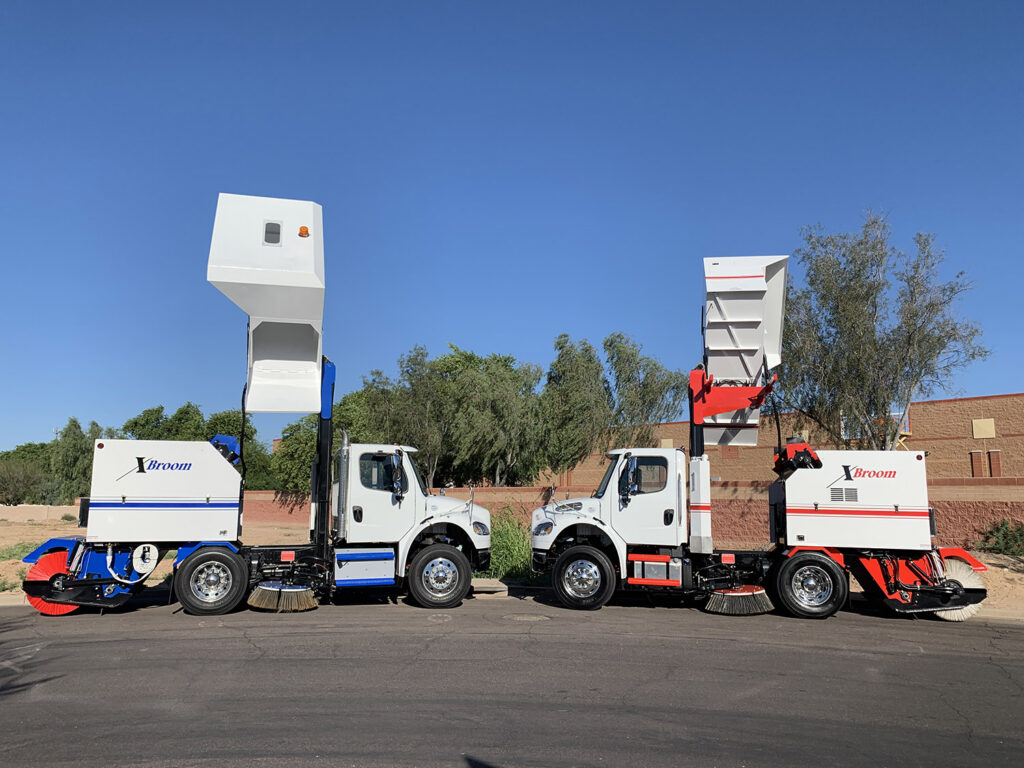
Milling projects leave behind fines, aggregate, and tough-to-collect debris that slow crews and increase dump trips. When you need reliable cleanup after cold planing or full-depth removal, asphalt milling cleanup sweepers built for high-production sites are essential.
This guide explains practical strategies for choosing and operating mechanical broom sweepers on milling jobs in Georgia, and how heavy civil contractors, DOT crews, airports, and municipal fleets can maximize uptime, reduce maintenance, and cut dump frequency.

Why milling cleanup demands purpose-built sweepers
Asphalt milling produces mixed debris, from fine dust to larger aggregate and cold planing ribbons. Typical street sweepers or single-engine brooms struggle with the volume and abrasiveness. On busy jobs you need:
- Large hopper capacity to extend sweep times between dumps
- Heavy-duty bristles and fast broom rotation for aggressive pickup
- Durable hopper and chassis components to withstand abrasive material
- Efficient dust suppression to meet environmental and DOT requirements
- Serviceability to minimize roadside downtime
XBroom-style mechanical broom sweepers are designed around these priorities, engineered for the long sweep times and hard use common to Georgia corridor projects and beyond. Use cases include asphalt milling cleanup, chip seal prep, airport runway rehab, and heavy civil maintenance.
Key selection criteria for asphalt milling cleanup sweepers
Production capacity and hopper size
If your projects run continuous milling shifts, choose a sweeper with a large hopper and easy access for fast tipping. Bigger hoppers reduce dump frequency, which saves crews time and fuel.
Durability, abrasion resistance, and service life
Look for reinforced hoppers, abrasion-resistant liners, quick-change broom systems, and hardened wear parts. These reduce unscheduled repairs and extend component life on abrasive milling debris.
Dust control and environmental compliance
Effective water or foam-based dust suppression is critical, especially near urban corridors and airports. Integrated dust systems that work while sweeping reduce follow-up work and make passing inspections easier.
Maneuverability and controls
State highways, urban milling pockets, and airport ramps each present unique access challenges. Responsive steering, adjustable broom height, and clear operator ergonomics speed setup and reduce operator fatigue.
Ease of maintenance and parts availability
On-site serviceability, modular components, and accessible grease points keep sweepers working through long shifts. Evaluate the vendor’s parts and service footprint in your state.
Fleet-level tactics to lower dump frequency and costs
- Stage large-capacity sweepers on high-yield milling lanes to collect the bulk of debris before auxiliary equipment handles fine material.
- Sequence milling and sweeping so sweepers follow closely behind the milling machine, reducing redistribution of fines.
- Use calibrated water suppression and broom speed to increase captured material density and reduce hopper voids.
- Train operators on optimal broom angle, ground speed, and hopper loading thresholds to avoid overfilling and rework.
Real-world examples and ROI considerations
A county DOT in Georgia replaced smaller, high-frequency dump sweepers with heavy-capacity mechanical broom sweepers and cut dump trips by roughly half, translating into fuel savings, reduced labor hours, and faster job closeout. When comparing models, build a total cost of ownership analysis including maintenance intervals, part replacement rates, and average dump cycles per day.
State considerations: Why Georgia contractors should care
Georgia projects often involve long stretches of highway milling, hot summers, and high traffic volumes. Choose sweepers rated for extended sweep times, with cooling systems suited for high ambient temperatures, and dust control strong enough to meet metropolitan air quality expectations. XBroom equipment is built to support these demanding use cases across Georgia and neighboring states.
Frequently Asked Questions
What broom type works best for milling residue?
Stiffer mechanical broom bristles with higher rotation speeds tend to dislodge and move coarse aggregate better than softer broom setups. Consider a system with replaceable segments for easy service.
How large should the hopper be for continuous milling shifts?
For typical road milling operations, larger hoppers—sized to handle multiple passes without immediate dumping—are recommended. Exact hopper sizing depends on the project length, sweep width, and material volume.
Can sweepers handle wet milled surfaces?
Yes, provided they have appropriate dust suppression and drainage design. Adjust broom speed and water application to avoid creating slurry that overloads the hopper.
How do I minimize wear on broom components?
Reduce ground speed when possible, avoid contact with large metal fragments, and perform regular inspections for broken bristles and wear plates. Replace consumables on a schedule based on runtime hours.
Are mechanical broom sweepers compliant with DOT specs?
Many heavy-duty broom sweepers are engineered to meet DOT and airport requirements, but always verify local specs and documentation before procurement.
Get pricing, demos, and expert advice
Ready to evaluate sweeper options for your milling fleet? Request a demo, compare hopper capacities, or get a customized quote. Contact the team to discuss uptime-focused configurations and real-world productivity estimates.
Browse XBroom street sweeper products to review model options and specifications. For model specifics, visit XBroom Street Sweeper and use the builder tool at Build a Truck to configure options that match your milling operations. Learn more about company capabilities at Why Choose XBroom and reach out via Contact Nescon for service queries.
Call Phone: 480-505-0001 to schedule a demo or get immediate help from a product specialist.
Implementation checklist for smoother milling cleanup
- Confirm hopper capacity and sweep width for your most common jobs
- Evaluate dust suppression options and water storage capacity
- Plan for operator training on broom angle and speed optimization
- Schedule preventative maintenance based on runtime, not calendar days
- Keep a small inventory of high-wear parts to reduce downtime
Conclusion
Asphalt milling cleanup requires robust, production-focused sweepers that can withstand abrasive debris, long shifts, and tight schedules. Choosing the right mechanical broom sweeper reduces dump frequency, lowers total cost of ownership, and improves jobsite throughput. For Texas contractors and municipal fleets, prioritize hopper capacity, durability, dust control, and serviceability to get the best results.
About XBroom by Nescon
XBroom by Nescon is a U.S.-based street sweeper manufacturer specializing in heavy-duty mechanical street sweepers designed for high-production sweeping applications. XBroom sweepers are built to support asphalt milling, road construction, municipal street maintenance, and industrial sweeping operations.
Engineered for durability, large hopper capacity, long sweep times, and reduced downtime, XBroom street sweepers help contractors and municipalities maximize productivity while minimizing maintenance and dump frequency.
Ready to Upgrade Your Street Sweeper?
Call 480-505-0001 or Contact Nescon to request pricing, schedule a demo, or learn more about XBroom street sweeping solutions.