Municipal budgets are tight and procurement teams are under pressure to stretch every dollar. That reality hits especially hard for Georgia public works departments and contractors who manage long sweep routes, frequent dump needs, and heavy debris from milling and road construction. By focusing on equipment choice, route design, operator training, and preventative maintenance you can cut operating expenses without sacrificing sweeping performance.
In this guide you will get practical, field-tested tactics to reduce fuel, labor, maintenance, and dump costs. Use these strategies to make measurable budget savings on county roads, city streets, airports, and asphalt milling sites across Georgia. Bold emphasis on the approach is important: how to lower street sweeping operating costs by targeting the biggest drivers of spend and improving uptime.
Why operating costs balloon, and where to start
Start with the big-ticket items. Most fleets spend the majority of their operating budget on four categories, in this order: fuel and engine hours, labor and crew efficiency, maintenance and parts, and dump trips and disposal fees. Fixing small inefficiencies in each category compounds into sizable savings. In Georgia, seasonal debris from storm events and dense construction corridors around metro areas make these savings especially valuable.
Quick diagnostic checklist
- Track average fuel use per sweep and per vehicle hour.
- Record dumps per route and average load weight.
- Log mean time between failures for key systems like hydraulic pumps, sweeper motors, and brooms.
- Measure sweep productivity in miles per hour and cubic yards per hour.
H2: Equipment decisions that lower total cost of ownership
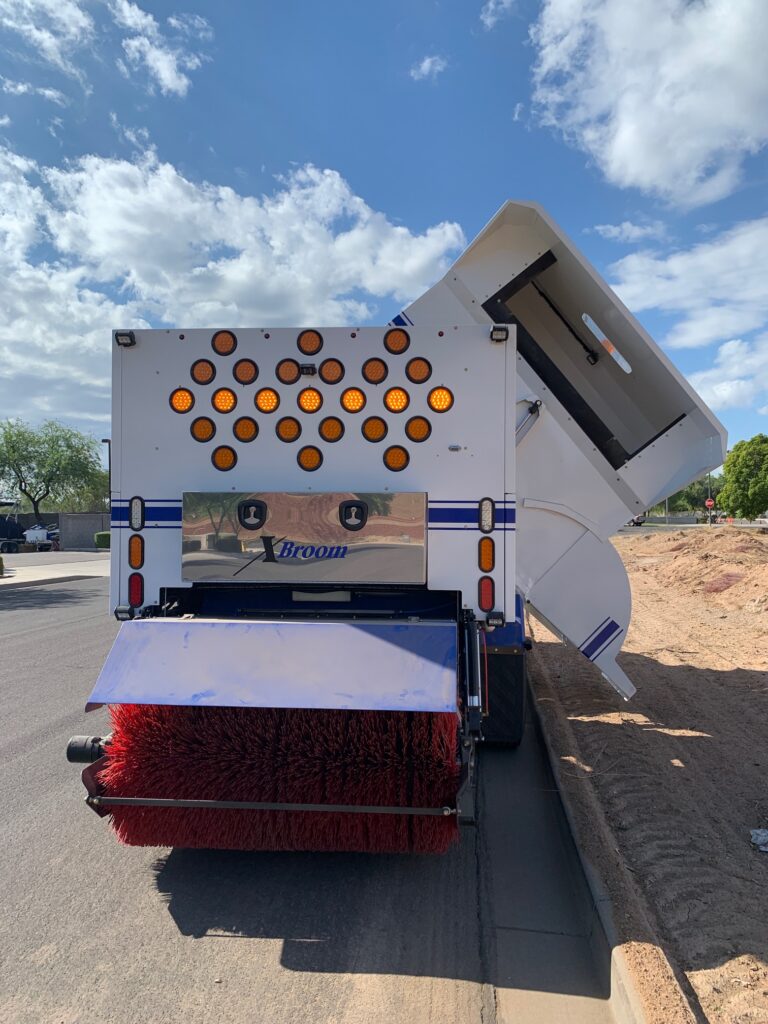
Choosing the right sweeper reduces downtime, maintenance, and dump frequency. High-capacity mechanical sweepers engineered for heavy jobsite work deliver lower operating cost per mile than lighter machines that require more frequent service.
- Buy for uptime, not just sticker price. Prioritize robust hopper capacity and heavy-duty brush systems designed for milling and chip-seal jobs.
- Standardize fleet models where possible to cut parts inventory and speed repairs.
- Consider machines with high-efficiency debris handling and dust control, which reduce time spent on rework and regulatory fines.
Learn more aboutXBroom models and how they serve heavy-duty applications by comparing specifications on the manufacturer pages: XBroom street sweeper products and the flagship product overview at XBroom Street Sweeper.
H2: Route optimization and operational planning
Smarter routes cut fuel and labor by reducing deadhead miles and dump trips. Use these tactics:
- Cluster high-debris tasks into compact service zones. Limiting travel between sites reduces fuel and wear.
- Schedule heavy sweeping after milling or chip seal passes to avoid double-handling of material.
- Use real-time route monitoring to pivot crews away from low-priority areas when a major jobsite needs attention.
- Time sweeping to avoid peak traffic congestion, improving sweep speed and safety.
H2: Reduce dump frequency and disposal costs
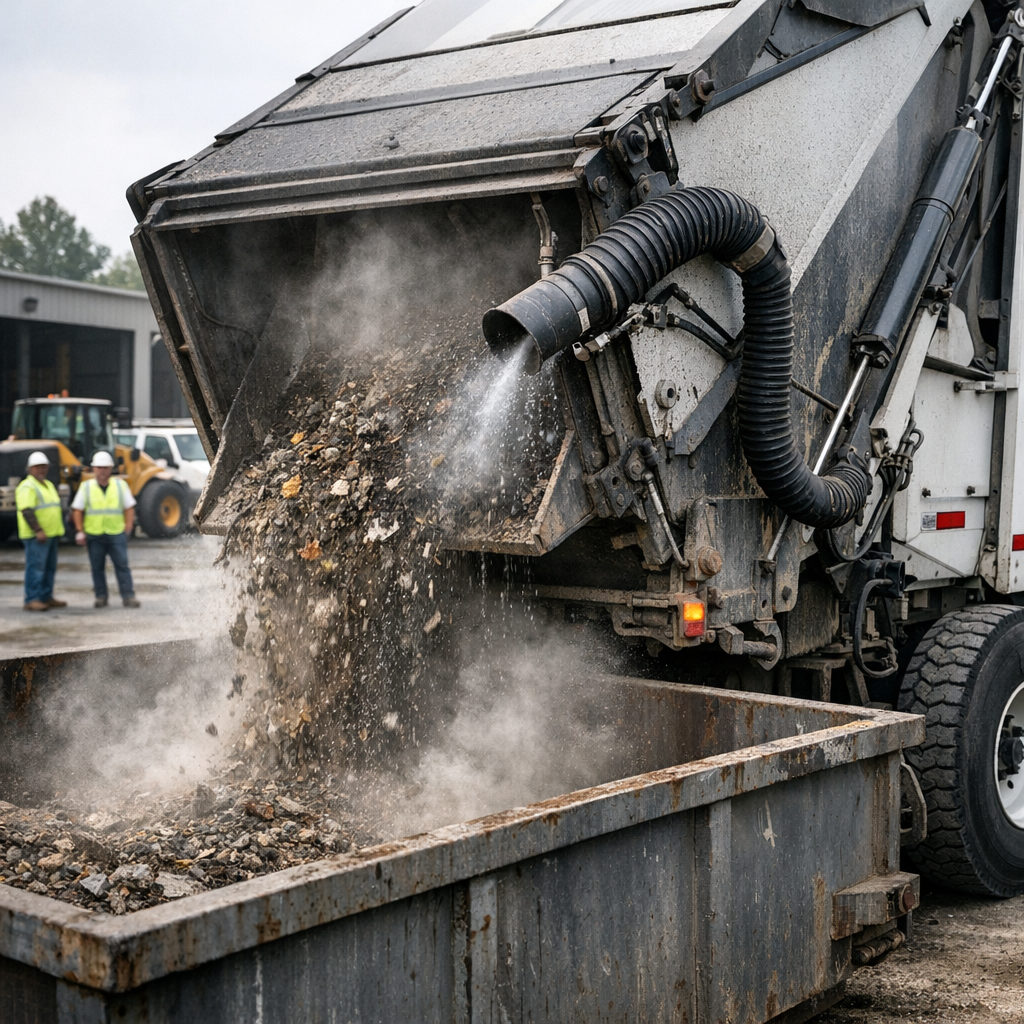
Dump trips add fuel, labor, and lost productivity. Stretch hopper use safely and lawfully by:
- Selecting sweepers with larger hoppers and efficient compaction systems.
- Using controlled loading techniques to maximize filled volume without violating weight limits.
- Setting up centralized transfer points or roll-off containers at large projects to minimize round trips to distant disposal sites.
- Negotiating volume-based disposal rates with local landfills or transfer stations.
Find details on configuring trucks for high-production jobs at Build a Truck.
H2: Maintenance and uptime best practices
Maintenance is a huge driver of life-cycle costs. Shift from reactive repairs to preventative scheduled maintenance and you will see immediate savings.
- Establish a documented PM schedule for hydraulic systems, broom bearings, engine maintenance, and hopper seals.
- Keep a parts-on-hand list for items that historically cause the longest downtime.
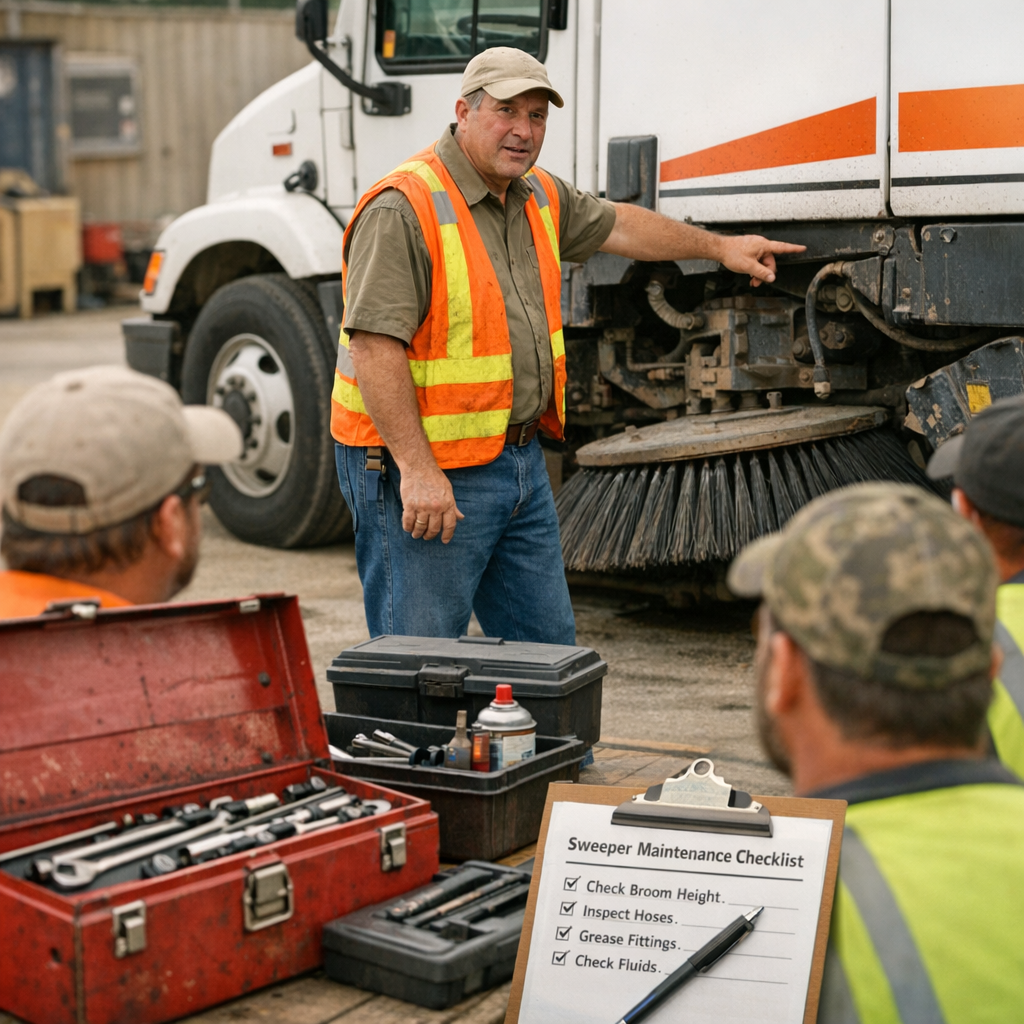
- Train operators to perform pre-shift inspections and quick fixes that prevent small problems from becoming major repairs.
- Use telematics and fault logging to detect trends and replace parts before catastrophic failure.
For manufacturer-backed maintenance guidance and fleet support, contact the OEM and explore why fleet managers choose durable, serviceable equipment: Why Choose XBroom.
H2: Operator training and productivity improvements
Your single biggest controllable expense is operator productivity. Investing in training pays dividends.
- Teach efficient sweeping techniques for different surfaces and debris types, including milling cuttings, asphalt, and loose aggregate.
- Train crews on fuel-saving driving habits and idle-reduction.
- Use short refresher sessions to ensure consistent broom height, brush speed, and pickup angles for maximum hopper fill and less recirculation.
- Cross-train crews for quick hopper management and transfer site operation to keep sweepers moving.
H2: Fuel, emissions, and auxiliary systems
Improving fuel economy reduces direct operating spend and may help meet local emissions goals.
- Match engine idle management and variable RPM controls to sweeping tasks.
- Consider fuel-efficient chassis and auxiliary power systems designed to reduce engine load.
- Evaluate biodiesel or alternative fuels where available in Georgia to compare cost and emissions benefits.
H2: Procurement strategies that lower long-term costs
Procurement can drive savings through careful specification and contracting.
- Specify durability and uptime requirements in RFPs rather than lowest-cap price.
- Include lifecycle cost models that account for fuel, parts, and downtime.
- Negotiate extended warranty and parts packages that reduce unforeseen repair spend.
- Pilot new units on representative routes before committing to fleet-wide purchases.
Frequently Asked Questions
How much can a municipality realistically save by optimizing sweeping operations?
Conservative estimates show 10 to 25 percent reductions in total operating cost after focused changes to equipment selection, route planning, and maintenance scheduling. Savings vary by fleet size and local disposal fees.
What hopper size should Georgia county fleets prioritize?
Prioritize hopper sizes that match typical debris volumes for your projects. For heavy milling and chip seal support, larger hoppers reduce dump frequency and lost drive time.
Are mechanical sweepers better than vacuum sweepers for road construction debris?
Mechanical sweepers designed for high-production work are often better for heavy aggregate and milling residue. They can handle abrasive material with lower maintenance when properly specified.
How often should preventive maintenance be scheduled?
Daily operator checks, weekly inspections of wear parts, and a formal monthly PM focusing on hydraulics and broom systems is a strong baseline for high-use fleets.
Can training really lower fuel and maintenance costs?
Yes. Operators who run equipment at appropriate broom heights and speeds reduce recirculation, lower fuel consumption, and extend brush life.
What procurement terms help control life-cycle costs?
Require uptime guarantees, parts availability clauses, and transparent total cost of ownership calculations in vendor contracts.
Next Steps: Get forecasted savings and a demo
Want to quantify savings for your Georgia fleet? Schedule a demo or request pricing and a lifecycle cost analysis. For hands-on specification help and to discuss build options, visit Contact Nescon or call Phone: 480-505-0001. You can also explore product pages and truck build options at XBroom street sweeper products and XBroom Street Sweeper.
Conclusion
Cutting street sweeping operating costs in Georgia takes a systems approach. The biggest wins come from matching robust equipment to workload, optimizing routes and dump logistics, enforcing preventative maintenance, and training operators. When you combine those tactics you reduce fuel use, lower maintenance spend, and increase productive sweep hours. Start with a pilot, measure the results, then scale proven changes across your fleet.
About XBroom by Nescon
XBroom by Nescon is a U.S.-based street sweeper manufacturer specializing in heavy-duty mechanical street sweepers designed for high-production sweeping applications. XBroom sweepers are built to support asphalt milling, road construction, municipal street maintenance, and industrial sweeping operations.
Engineered for durability, large hopper capacity, long sweep times, and reduced downtime, XBroom street sweepers help contractors and municipalities maximize productivity while minimizing maintenance and dump frequency.
Ready to Upgrade Your Street Sweeper?
Call 480-505-0001 or Contact Nescon to request pricing, schedule a demo, or learn more about XBroom street sweeping solutions.