
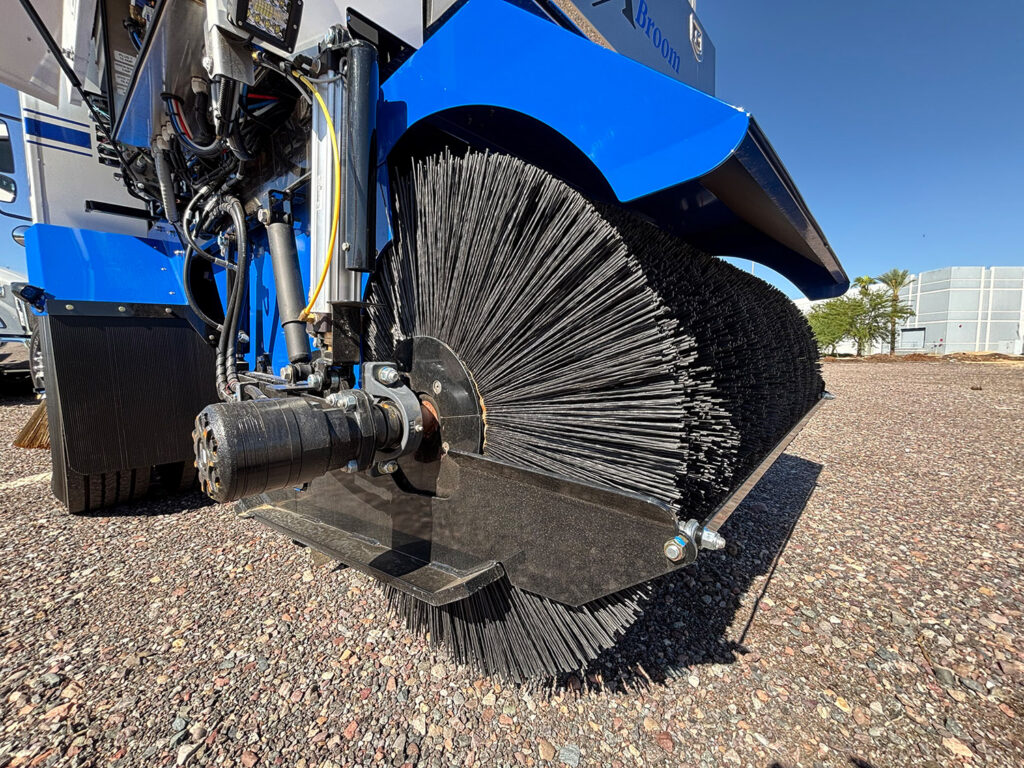
Early planning and disciplined operations separate a handful of reliable municipal fleets from the rest. Whether you manage city streets in Austin or county roads across West Texas, practical fleet rules cut downtime, lower lifecycle costs, and keep crews safe during long sweep shifts. In this guide you will find proven procedures to optimize your municipal street sweeper fleet for Texas conditions, from spec selection to preventive maintenance and operator best practices.
Municipal street sweeper fleet management guide belongs at the center of every procurement and operations meeting, because the right program turns sweepers into productivity machines that handle heavy asphalt milling debris, chip seal residue, and winter sand with fewer stops and fewer service headaches.
Quick overview: Who this is for and what you will get
This playbook is written for fleet managers, public works superintendents, DOT contractors, heavy civil contractors, and procurement officers in Texas who need high-production, low-maintenance sweepers. You will get actionable checklists for daily and weekly inspections, maintenance cadence for mechanical broom sweepers, tips to reduce dump frequency, and procurement guidance that prioritizes uptime and total cost of ownership.
Why robust fleet management matters in Texas
Texas roads mean long runs, heavy debris from asphalt milling and chip seal, and hot dusty summers that stress filters, hydraulics, and broom systems. A disciplined fleet management program reduces unscheduled downtime, extends broom and hopper life, and reduces frequency of dumps by optimizing sweep routes and hopper capacities.
Key performance metrics to track
- Uptime percentage, tracked weekly and monthly.
- Average sweep time between dumps, in hours or route miles.
- Maintenance hours per 1,000 sweep hours.
- Total cost of ownership per machine, annually.
Spec selection, matching sweepers to Texas use cases
Choosing the right sweeper for each route is the first operational win. Consider hopper capacity and broom design for asphalt milling cleanup, heavy-duty broom systems for chip seal residue, and water systems for dust control.
- For long highway runs, favor large-hopper mechanical broom sweepers with extended-range hydraulic systems. See current options on the XBroom street sweeper products page.
- For mixed urban and construction sites, specify quick-change broom drives and heavy-duty skirts to protect the conveyor and hopper, details available on the XBroom Street Sweeper product page.
- If you need customized configurations, use the Build a Truck configurator to match specs to routes and jobsite debris profiles.
Preventive maintenance program, intervals, and parts strategy
A predictable preventive maintenance cadence prevents small faults from becoming route-stopping failures.
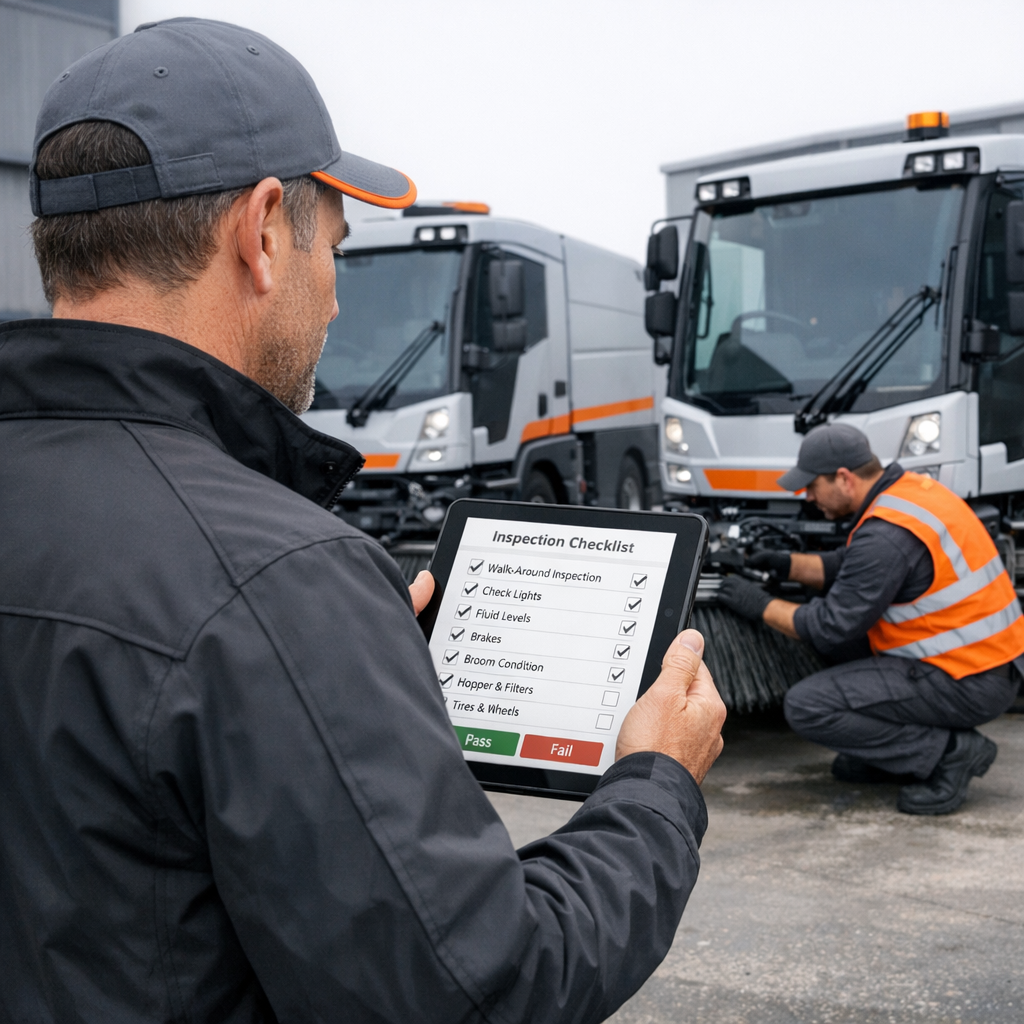
- Daily: visual inspection, broom condition, hydraulic fluid sight checks, water system function, and quick hopper integrity check. Use a standardized form so crews log results consistently.
- Weekly: grease points, belt and hose inspection, chain tensioning, and a functional test of all safety systems.
- Monthly: hydraulic oil level and filter check, broom drive inspection, and hopper seal verification.
Keep a rotating stock of high-wear parts: broom segments, hydraulic hoses, belts, and filters. Maintain vendor relationships to expedite emergency shipments during milling operations.
Operational best practices to maximize sweep time and reduce dumps
- Route design, not just frequency, reduces dump time. Pair long, debris-heavy routes with large-hopper machines and schedule shorter, dense urban sweeps for smaller hoppers.
- Implement load balancing where one sweeper handles milling residue and another follows for fine sweep, reducing hopper fill rate on primary machines.
- Train operators on broom pressure management and right-of-way techniques to avoid unnecessary wear.
Data-driven decision making and telematics
Install telematics for engine hours, hydraulic temperatures, route miles, and hopper fill sensors. Use this data to:
- Predict maintenance needs, rather than reactive fixes.
- Optimize routes to reduce deadhead miles.
- Validate contractor invoices for time on task.
Purchasing, lifecycle cost, and procurement tips
Prioritize machines engineered for production sweeping with heavy-duty components rather than low upfront cost. Assess total cost of ownership by including maintenance labor, parts, expected broom life, and downtime costs into purchase models. Ask for service agreements and local support availability to maximize uptime.
Explore manufacturer reliability statements and factory availability via Why Choose XBroom, and when you are ready, Contact Nescon for factory-backed recommendations or demo scheduling.
Sample daily and weekly checklist (practical)
Daily (before shift):
- Visual walkaround for leaks and damage.
- Broom wear check, bristles and segments.
- Water system and dust suppression test.
- Hopper latch, seals, and discharge test.
- Safety lights and camera systems functional.
Weekly:
- Grease all fittings.
- Inspect hydraulic hoses and couplings.
- Verify conveyor and chain tension.
- Clean and inspect air filters and coolers.
Common objections and how to address them
- “New sweepers cost too much.” Calculate downtime savings, reduced labor for repeat passes, and lower maintenance hours when specifying heavy-duty production sweepers.
- “We can’t spare units for maintenance.” Build scheduled maintenance windows during low-demand periods and rotate units so at least one is always available for high-production tasks.
Frequently asked questions
What sweepers are best for asphalt milling cleanup in Texas?
Use heavy-duty mechanical broom sweepers with large hoppers and reinforced broom drives to handle heavy aggregate and stickier residues from milling operations.
How often should I replace broom segments?
Replacement depends on debris type and use, but inspect daily during milling jobs and plan replacements after observed drop in performance or visible wear beyond manufacturer limits.
Can telematics help reduce dump frequency?
Yes, hopper-fill sensors and route analytics identify where dump frequency is highest, enabling route redesign or machine reassignment to reduce mid-shift dumps.
What should a procurement officer prioritize, uptime or initial cost?
Uptime, because production losses and emergency repairs usually cost more than higher upfront investment in industrial-grade sweepers.
How do I train operators to reduce wear?
Use hands-on sessions focused on broom pressure control, right-of-way sweeping technique, and pre- and post-shift inspections, with performance metrics tied to operator reviews.
Are there state-specific considerations for Texas fleets?
Yes, extreme summer heat and long rural routes mean prioritize cooling, dust suppression, and larger fuel and water capacities for continuous sweep shifts.
Request a demo or pricing, and next steps
Ready to improve uptime and reduce sweep costs on your Texas routes? Request a factory demo, get a custom spec, or ask about parts stocking by calling Phone: 480-505-0001 or visiting our contact page. For configuration help, use the Build a Truck tool and review product options on the XBroom street sweeper products page.
Conclusion
A disciplined municipal street sweeper fleet program focused on proper specification, preventive maintenance, and operator training pays back quickly in reduced downtime and lower total cost of ownership. Start with daily routines, invest in telemetry, and align machine specs to route needs, and you will see immediate gains in sweep time and reliability across Texas operations.
About XBroom by Nescon
XBroom by Nescon is a U.S.-based street sweeper manufacturer specializing in heavy-duty mechanical street sweepers designed for high-production sweeping applications. XBroom sweepers are built to support asphalt milling, road construction, municipal street maintenance, and industrial sweeping operations.
Engineered for durability, large hopper capacity, long sweep times, and reduced downtime, XBroom street sweepers help contractors and municipalities maximize productivity while minimizing maintenance and dump frequency.
Ready to Upgrade Your Street Sweeper?
Call 480-505-0001 or Contact Nescon to request pricing, schedule a demo, or learn more about XBroom street sweeping solutions.