
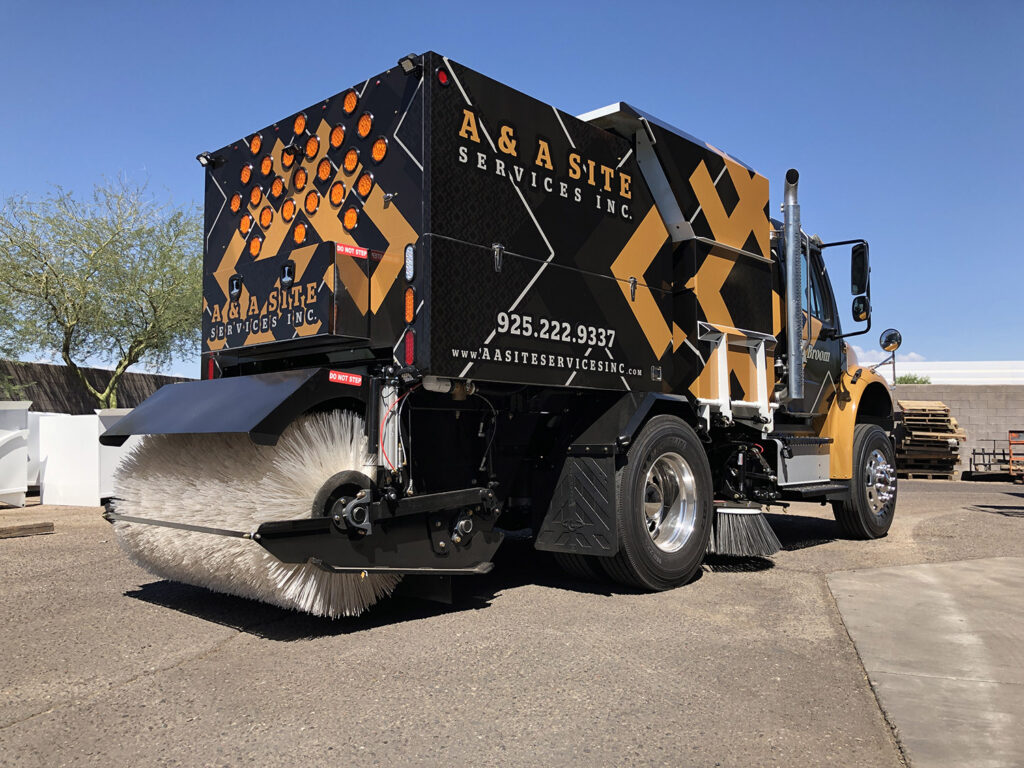
Florida cities and counties face unique challenges for street sweeping, from sandy shorelines and heavy storm debris to frequent road work and asphalt milling projects. Investing in a long-lasting sweeper that reduces dump frequency, maximizes uptime, and stands up to corrosive coastal conditions is essential for public works teams, DOT contractors, and airport maintenance crews.
When you need a durable street sweeper for public works, you want equipment built for continuous, high-production operation under real jobsite stresses: abrasive asphalt chips, millings, chip-seal residue, and storm-related debris. This guide lays out what Florida fleet managers, superintendents, and procurement officers should look for when specifying sweepers for municipal and contractor use.
Why durability matters for Florida public works
Coastal abrasion and corrosion
Salt, sand, and high humidity accelerate wear. Choose machines with corrosion-resistant components, sealed electricals, stainless fasteners in critical areas, and durable paint or protective coatings to extend service life.
Long sweep times and reduced dump frequency
Public works crews often run long routes or support large asphalt milling jobs. A large-capacity hopper and efficient debris compaction let crews sweep longer between dumps, lowering labor and haul costs and increasing effective production per shift.
Harsh debris types
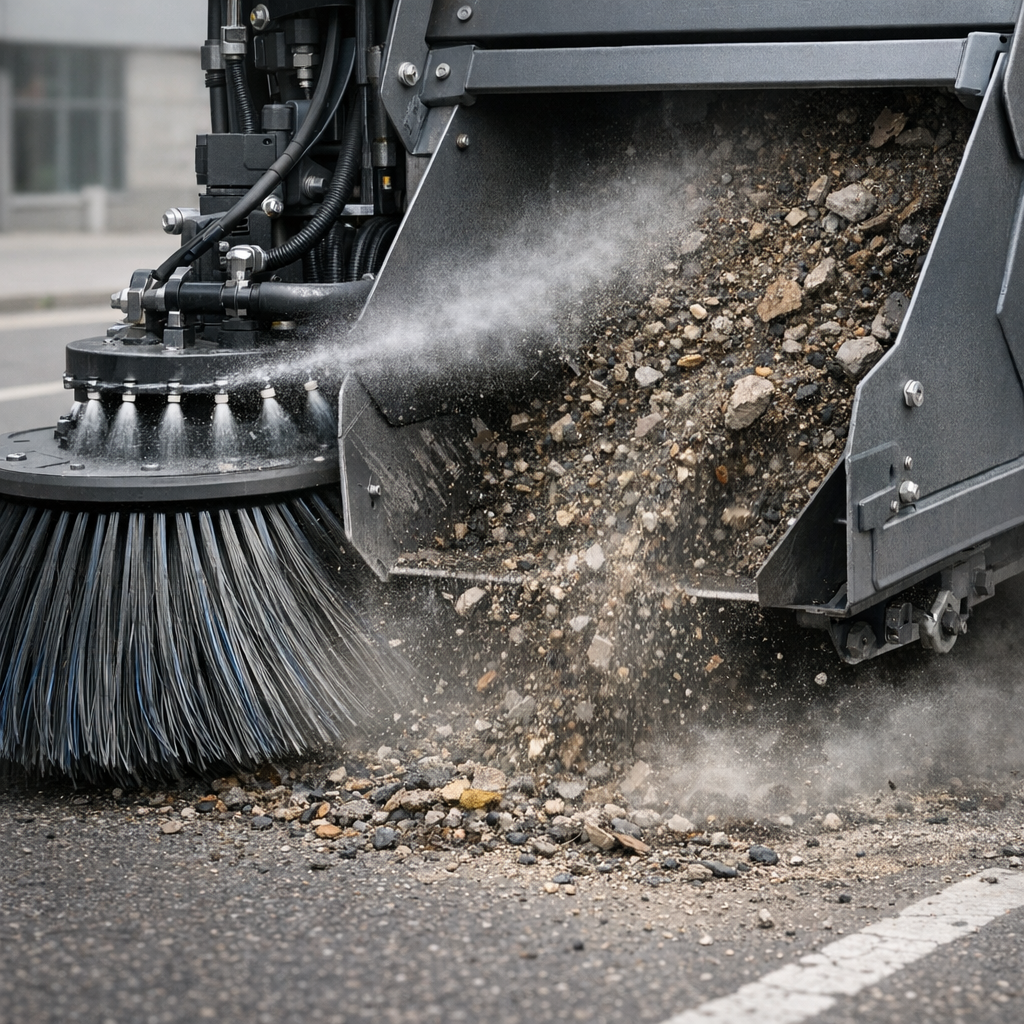
Asphalt millings, chip-seal aggregate, and construction-sized debris demand robust broom systems, heavy-duty conveyors, and abrasion-resistant hopper liners to avoid frequent repairs and downtime.
Key features to specify
Heavy-duty mechanical broom systems
Ask for radial or multi-broom layouts with replaceable hardened cores, easy-access adjustment points, and proven bristle materials to handle aggressive debris without rapid wear.
Large-capacity, abrasion-resistant hopper
A high-production public works sweeper needs a hopper engineered for heavy loads and frequent large-particle intake, built from abrasion-resistant steel with wear liners for long life.
Dust control and water systems
Effective onboard water systems and targeted spray nozzles reduce airborne dust during milling and chip-seal cleanup. Look for modular water pumps and easily winterized plumbing when applicable.
Simple, service-friendly design
Low-maintenance filters, slide-out access panels, centralized greasing points, and clear diagnostics reduce mechanic hours and increase uptime for municipal fleets with limited shop resources.
Reliable chassis and drivetrain integration
Select sweepers engineered to integrate with heavy-duty chassis options compatible with continuous, long-haul sweeping and site travel on rough surfaces during construction projects.
Real-world use cases in Florida
Asphalt milling cleanup
After milling, crews need sweepers that can handle large volumes of fine and coarse millings fast. Prioritize power sweepers with high airflow, robust conveyors, and hoppers sized for long runs.
Chip seal and shoulder cleanup
Chip seal projects create high abrasive loads. A mechanical broom with adjustable pressure and replaceable wear strips preserves performance and reduces component replacement frequency.
Storm cleanup and coastal maintenance
For hurricane season response, fleets need dependable sweepers that resist corrosion and perform on sandy, debris-filled streets. Corrosion-resistant materials and sealed systems are non-negotiable.
Airport and industrial sweeping
Runway and apron cleanup require precise, low-dust sweeping and high reliability. Choose sweepers with certified linear sweeping patterns and strong dust control for safety-critical surfaces.
Total cost of ownership and procurement tips
- Prioritize uptime metrics and verified mean time between failures, not just purchase price. Reduced downtime often yields the best long-term savings.
- Factor in hopper capacity, wear part lifecycle, and local service availability when comparing bids.
- Request build-to-order options to match chassis, broom layouts, and water systems to your typical workloads. Use Build a Truck to plan configurations that match Florida’s needs.
- Ask vendors for references from municipal fleets in similar climates and job types.
Maintenance checklist for durability
- Daily: inspect broom wear, conveyor integrity, and water system nozzles.
- Weekly: grease pivot points, check hopper liner condition, and verify hydraulic hoses for chaffing.
- Monthly: inspect electrical enclosures and corrosion-prone fasteners, replace worn bristles, and test water pump performance.
Procurement and specification language to use
- "Hopper capacity: minimum X cubic yards with abrasion-resistant liner"
- "Mechanical broom system with replaceable hardened cores and adjustable pressure control"
- "Corrosion-resistant fasteners and sealed electrical enclosures suitable for coastal operations"
In proposals or RFP language, emphasize uptime, long sweep times between dumps, and low operator maintenance time rather than lowest initial cost.
Frequently Asked Questions
How do I choose the right hopper size for municipal routes?
Estimate typical route debris volume and peak loads during milling or post-storm operations. Select a hopper that allows completion of most routes without an extra dump, balancing transport limits and maneuverability.
What maintenance keeps a sweeper reliable in a coastal Florida environment?
Regular corrosion inspections, prompt replacement of fasteners and seals, and flushes of water systems after exposure to saltwater will preserve components longer.
Are mechanical broom sweepers better than vacuum sweepers for asphalt millings?
Mechanical broom sweepers excel at moving large, heavy aggregate and millings. Vacuum units can struggle with coarse material and may clog more often on construction sites.
How important is dust suppression on road construction sweeps?
Very important for worker safety and public health. Effective water spray systems and targeted dust control reduce airborne particulates during milling and chip-seal cleanup.
What warranty and service options should I require?
Look for warranties that cover wear-prone components for reasonable periods, clear service level agreements, and responsive parts support. Local dealer support shortens downtime.
Next steps for Florida fleets
Choose a sweeper manufacturer that can configure machines for high-production municipal, DOT, and contractor work in Florida conditions. Review product specifications, request on-site demos, and evaluate mean time between repairs when comparing options.
Talk to a sweeper specialist
Learn how specific configurations improve long sweep times and reduce dump frequency by contacting the manufacturer. Compare models and get a tailored quote to match your route profiles and payload needs. For product details and configuration options, visit XBroom street sweeper products and see the flagship XBroom Street Sweeper for high-production applications.
Ready to see one in action?
Schedule a demo, request pricing, or discuss fleet requirements with a specialist. Use Contact Nescon or call Phone: 480-505-0001 to set up a review of specs and configurations.
About XBroom by Nescon
XBroom by Nescon is a U.S.-based street sweeper manufacturer specializing in heavy-duty mechanical street sweepers designed for high-production sweeping applications. XBroom sweepers are built to support asphalt milling, road construction, municipal street maintenance, and industrial sweeping operations.
Engineered for durability, large hopper capacity, long sweep times, and reduced downtime, XBroom street sweepers help contractors and municipalities maximize productivity while minimizing maintenance and dump frequency.
Ready to Upgrade Your Street Sweeper?
Call 480-505-0001 or Contact Nescon to request pricing, schedule a demo, or learn more about XBroom street sweeping solutions.