
How To Reduce Street Sweeper Dump Frequency, Fleet Tips 2026
Long sweep routes and packed hoppers cost time, fuel, and labor for Colorado contractors and municipal crews. You can cut dump stops and extend sweep times by combining smarter route planning, machine selection, and on-site process changes.
Bold the phrase where it flows: How to Reduce Street Sweeper Dump Frequency is a practical objective for fleet managers looking to maximize uptime, lower operating cost, and keep crews productive across Colorado job sites.
Why Colorado Fleets Need to Reduce Dump Frequency
Colorado road construction, asphalt milling, and chip seal jobs often generate heavy, abrasive debris that fills hoppers fast. Frequent dump stops mean slower projects and more fuel and labor expense. Addressing dump frequency directly improves production speed on long stretches, such as mountain highways, airport runways, and large municipal projects.

Core Strategies to Reduce Dump Frequency
1. Start with the numbers, then pick the machine
Calculate expected debris volume and match it to hopper capacity. Practical formula:
- Estimated debris per mile (cubic feet) x daily route miles = total debris volume
- Total debris volume divided by hopper capacity = expected dumps per shift
Example, simplified: if debris per mile is 2 cubic feet, route is 100 miles, total volume is 200 cubic feet. A 50 cubic foot hopper needs four dumps, a 100 cubic foot hopper needs two. Knowing this leads you to select larger hoppers or different sweep patterns.
2. Choose sweepers and configurations for long sweep times
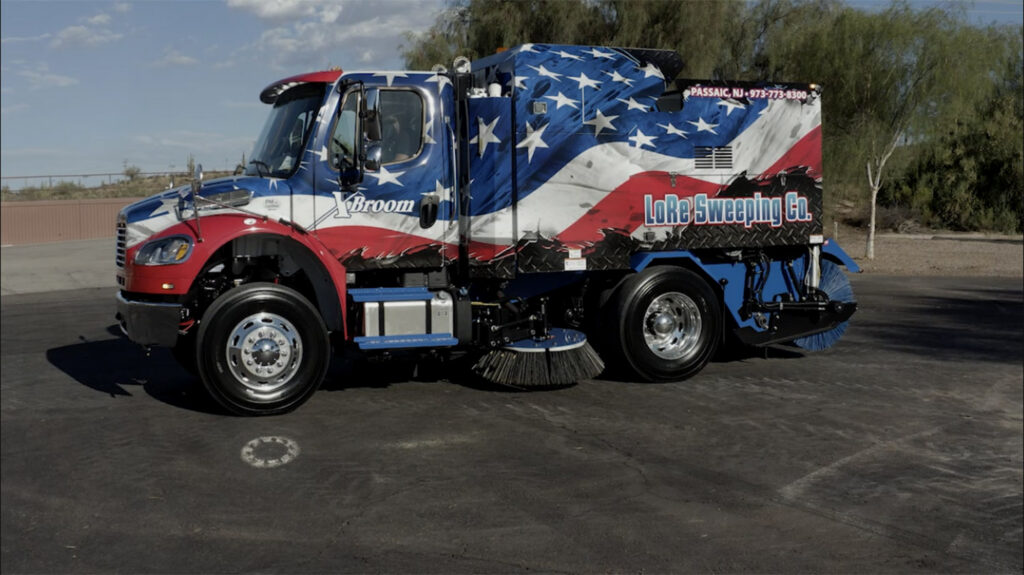
Machine selection is central. Favor mechanical broom sweepers engineered for large hopper capacity and heavy-duty conveyance systems. Durable sweepers with efficient conveyor geometry and larger hoppers reduce how often you must stop. Review options on XBroom product pages and configure for high-production sweeping: XBroom street sweeper products and the core model details at XBroom Street Sweeper.
3. Optimize routes to reduce backtracking and partial dumps
Plan routes to dump at logical intervals, not at the first available lot. Consolidate debris by routing toward scheduled dump points or staging areas. Use GIS or simple route sequencing so crews finish high-debris zones before traveling past low-debris corridors, lowering mid-shift dumping.
4. Use debris control tactics on-site
Small process changes dramatically lower volume. Examples for Colorado jobs:
- Ask milling crews to pre-clear large rocks or pile them separately for mechanical pickup.
- Use swept-off areas or temporary bins at mill sites to contain heavy aggregate, then remove by loader or dedicated hauler.
- Run a preliminary pass that moves small loose material into a single band to let the sweeper pick it up more efficiently.
5. Manage moisture and dust with targeted water systems
Dry, dusty debris packs inefficiently. Proper water spray settings improve pickup without over-wetting material. Adjust water flow to local climate, and choose nozzles that provide even coverage. That reduces bounce and loss, increasing the effective capacity of each hopper load.
6. Train operators on high-production techniques
Operator technique matters. Train crews on brush pressure, broom speed, conveyor engagement timing, and selective sweeping depth. Skilled operators can reduce rework, lower debris spillage, and extend time between dumps.
7. Preventive maintenance keeps capacity real
Clogged conveyors, worn brooms, and damaged hopper doors reduce usable hopper volume. Enforce daily checks, quick-change broom systems, and scheduled maintenance to avoid surprises that force extra dumps or reduce sweep efficiency.
8. Consider auxiliary equipment and site logistics
- Use temporary drop boxes or on-site roll-offs where permitted, so sweepers can empty quickly without long detours.
- Coordinate with local municipalities to use approved dump points aligned with your route.
- Where regulations allow, use loader support to offload heavy aggregate from hoppers to larger containers, minimizing trips to off-site disposal.
Operational Checklist for Immediate Gains (Colorado-focused)
- Map high-debris hotspots and schedule them as contiguous route segments, reducing cross-town travel.
- Increase hopper capacity where possible when specifying new sweepers.
- Implement a pre-sweep separation step near milling machines.
- Calibrate water systems for local humidity and temperature.
- Train all operators on sweep speed and broom pressure best practices.
Measuring Success: KPIs to Track
- Dumps per shift, tracked weekly
- Effective sweep hours between stops
- Average debris volume per mile
- Fuel per mile and per job
Track these KPIs before and after changes to quantify improvements. Small reductions in dump frequency multiply into meaningful savings on long jobs.
Frequently Asked Questions
How much can larger hopper capacity reduce dump frequency?
Larger hoppers can cut dump stops substantially depending on debris density. Instead of a rule of thumb, run the debris volume calculation for each job and compare hopper sizes to estimate dumps per shift.
Are temporary roll-offs legal on Colorado DOT jobs?
Regulations vary by county and project. Coordinate with the prime contractor and local DOT for approved on-site containment, and document approvals before relying on roll-offs.
Can operator technique really make a difference?
Yes, trained operators reduce rework and spillage. Proper broom angle, speed, and conveyor management add up to fewer partial fills and fewer stops.
Is water always recommended to reduce dump frequency?
Not always. Water helps on dusty conditions, but too much water increases weight and may fill hoppers faster. Calibrate water use to the material type and weather.
What about adding extra crew to empty hoppers faster?
Adding crew or loaders can help when allowed, but that adds cost. Often smarter routing and a larger hopper yield a better productivity-to-cost ratio.
Next Steps to Lower Dumps and Boost Productivity
If you manage fleets in Colorado and need high-production sweepers built for tough milling and construction sites, review machine options and build configurations that favor long sweep times. Discuss hopper sizing, conveyor options, and recommended operator training with our team:
- Explore models and configurations at XBroom street sweeper products
- See the standard XBroom model at XBroom Street Sweeper
- Configure a vehicle tailored to your routes with Build a Truck
- Learn why industry fleets choose us at Why Choose XBroom
For pricing, demos, and configuration help call Phone: 480-505-0001 or Contact Nescon to request a quote and schedule a demonstration.
Conclusion
Reducing dump frequency is a system problem, not just an equipment problem. Match sweeper hopper size to debris volume, optimize routes, train operators, and use site-level controls to cut wasteful stops. For Colorado projects, these changes speed completion, reduce costs, and increase daily sweep coverage.
About XBroom by Nescon
XBroom by Nescon is a U.S.-based street sweeper manufacturer specializing in heavy-duty mechanical street sweepers designed for high-production sweeping applications. XBroom sweepers are built to support asphalt milling, road construction, municipal street maintenance, and industrial sweeping operations.
Engineered for durability, large hopper capacity, long sweep times, and reduced downtime, XBroom street sweepers help contractors and municipalities maximize productivity while minimizing maintenance and dump frequency.
Ready to Upgrade Your Street Sweeper?
Call 480-505-0001 or Contact Nescon to request pricing, schedule a demo, or learn more about XBroom street sweeping solutions.