
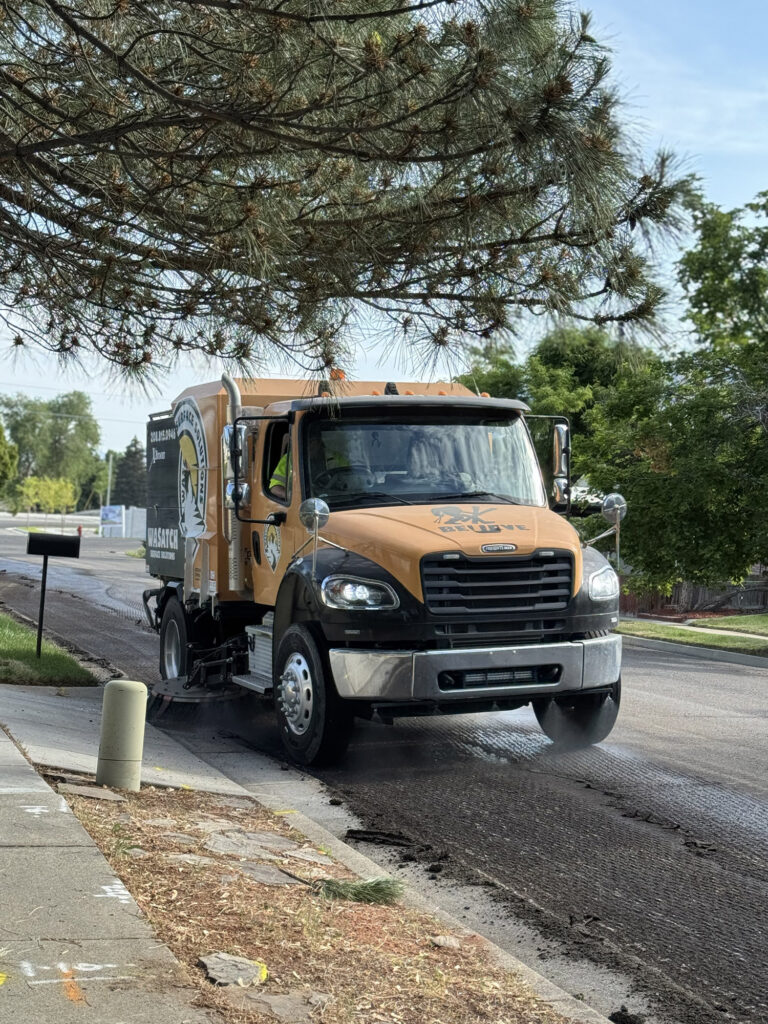
Heavy road construction zones demand equipment that keeps projects moving, crews safe, and surfaces clean. Fleet managers and operations leaders need clear, actionable specs to evaluate sweepers that survive asphalt milling, chip seal prep, and high-production roadwork in North Carolina.
Heavy Duty Road Construction Sweeper Specs matter because the right configuration reduces downtime, cuts dump frequency, and protects paving quality. Below are the practical specs, performance benchmarks, and decision points North Carolina agencies and contractors should use when selecting a mechanical street sweeper built for demanding jobsite conditions.

Overview: Why Specs Matter for North Carolina Road Projects
North Carolina projects often involve long runs, high-speed roadways, and dusty desert conditions that accelerate wear. Specifying a sweeper for these environments means prioritizing engine power, hopper capacity, robust broom systems, and dust control. For DOT contractors and municipal fleets, the goal is predictable uptime and fewer hopper dumps per shift.Core Technical Specifications to Require
Engine and Chassis
- Minimum gross horsepower: 300 to 450 HP depending on chassis and optional systems. Higher power supports long sweep times and heavy debris loads.
- Emissions compliance: Request current EPA Tier or federal standards applicable in 2026.
- Chassis choices: Commercial truck or heavy-duty municipal chassis, rated for payloads that match hopper capacity and water tanks.
Hopper Capacity and Dumping System
- Hopper volume: 5 to 12 cubic yards typical for heavy-duty units. Larger hoppers reduce dump frequency on long projects.
- Dump height and hydraulics: Specify a hydraulic dump system with proven cycle life, easy access for service, and sufficient lift to unload into typical jobsite roll-offs or dump bodies used by North Carolina contractors.
Sweeping System: Brooms, Conveyor, and Wear Parts
- Broom type: Mechanical steel or carbide-segment options for aggressive milling debris, with replaceable segments.
- Main broom width: 6 to 8 feet effective sweep path, depending on machine model and job demands.
- Side broom design: Heavy-duty arms, mechanical or hydraulic actuation, with quick-change features for field service.
- Conveyor: Heavy-duty, abrasion-resistant conveyor with replaceable slats and proven drive systems, sized to move large loads without plugging.
Dust Control and Water System
- Water capacity: 200 to 1,500 gallons range depending on runtime and dust suppression strategy. For long desert sweeps, larger tanks reduce refills.
- Spray system: Adjustable nozzles aimed at both brooms and conveyor inlet, with filtration to avoid clogged lines from abrasive dust.
- Optional additive systems: For projects requiring dust binding, include dosing systems compatible with common suppressants.
Hydraulics and Electrical
- Hydraulic flow: High-flow, proportional control for consistent broom downforce and conveyor performance.
- Cooling: Heavy-duty hydraulic oil coolers and air filtration systems for hot climates like Nevada.
- Electrical: Ruggedized wiring harnesses, sealed connectors, and easily serviced control modules.
Operator Controls and Ergonomics
- In-cab controls: Intuitive joystick or touchscreen controls for broom and conveyor, plus clear diagnostic readouts.
- Visibility: Elevated operator positions, optional rear cameras for dump and conveyor monitoring, and LED job lights for low-light operations.
Performance Benchmarks to Include in Specs
- Sweep productivity: Look for published cubic yard throughput per hour under milling debris conditions.
- Fuel efficiency: Gallons per hour at typical operating load, critical when estimating operating costs across long Nevada projects.
- Mean time between service intervals: Specify expected hours for wear part replacement and offer maintenance schedules.
Serviceability and Maintenance Features
- Ground-level access to daily service points, like fluid checks, filters, and grease fittings.
- Modular wear parts: Replaceable broom segments, conveyor slats, and hopper liners reduce downtime.
- Parts availability: Specify a local parts and service network, or warranty terms that guarantee quick replacement.
Choosing Options for Asphalt Milling and Chip Seal Jobs
- Reinforced main brooms and carbide segments for heavy, sharp milling debris.
- Conveyor dust curtains and hopper seals to limit fugitive dust during transport to dump points.
- High-capacity water and additive systems when sweeping during chip seal operations to control loose aggregate.
Cost of Ownership Considerations
- TCO drivers include fuel, wear parts, service intervals, and dump frequency.
- Larger hoppers increase first cost but lower operating cost by reducing stops and labor.
- Balance upfront price with uptime guarantees, local service, and proven field performance.
Specification Checklist for North Carolina Procurement
- Minimum engine horsepower aligned with gross vehicle weight rating.
- Hopper capacity target, hydraulic dump specs, and conveyor durability standards.
- Dust suppression volume and spray system redundancies.
- Warranty terms, parts network, and recommended maintenance intervals.