
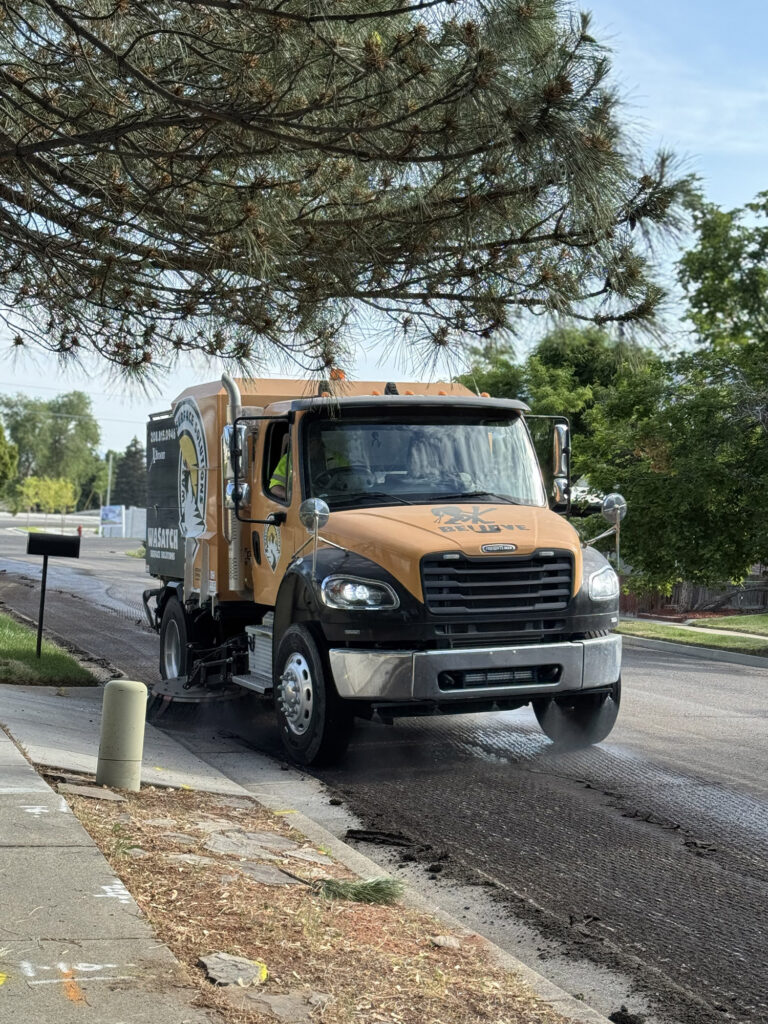
Choosing the right sweeper after a chip seal pass is one of the fastest ways to protect your pavement investment and keep traffic moving safely. In Texas, where long runs, abrasive aggregate, and dusty conditions are common, fleet managers and contractors need machines built for heavy production, long sweep times, and minimal downtime. That is why understanding performance priorities for mechanical broom sweepers matters now more than ever.
When specifying equipment for chip seal cleanup, prioritize durability, hopper capacity, and effective dust control, and look for proven mechanical broom designs that handle stone retention and heavy aggregate loads. The following guide explains what features matter, how to compare machines, and how XBroom mechanical broom sweepers meet these needs for Texas contractors and municipal operators.
Why mechanical broom sweepers are the right choice for chip seal in Texas
Aggressive debris handling
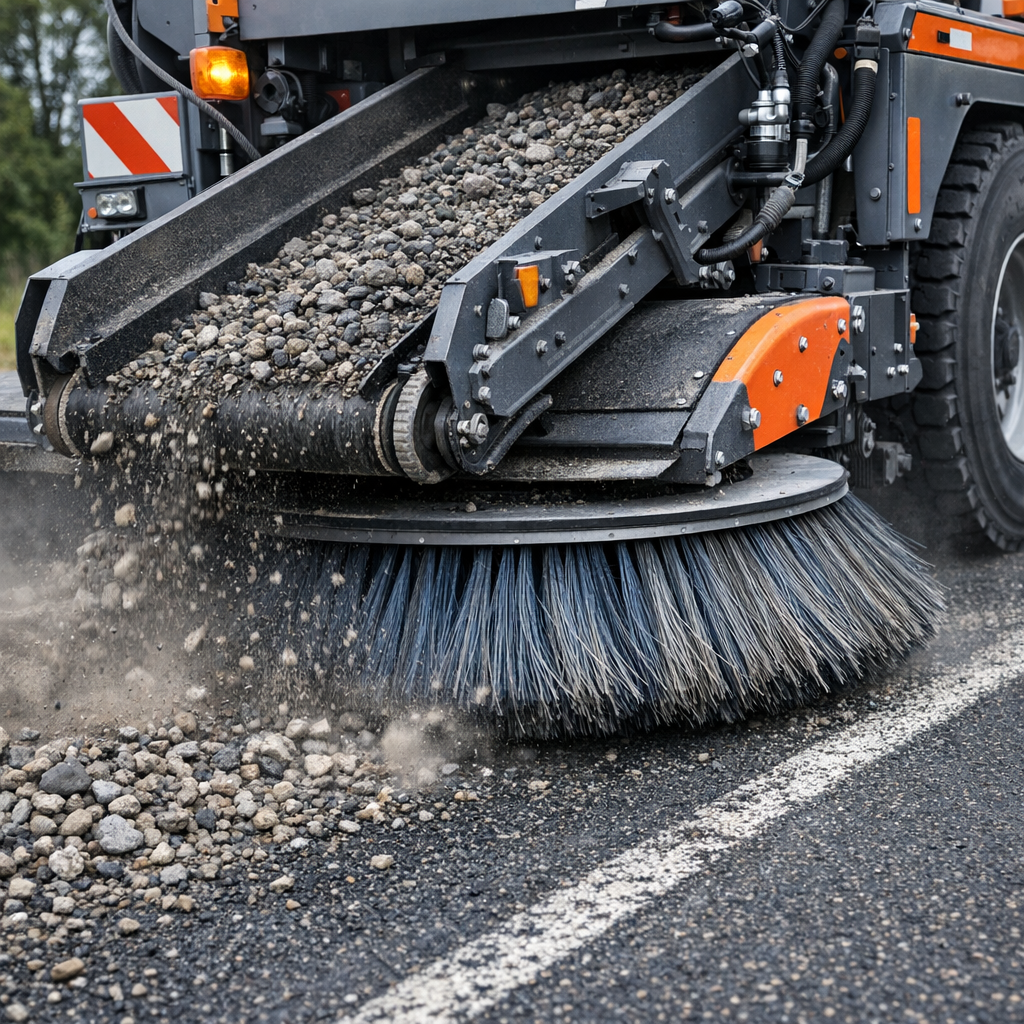
Mechanical broom sweepers use robust rotating brooms and conveyors to capture and move large, angular aggregate, which is exactly what you get from chip seal. Compared with light vacuum sweepers, mechanical broom sweepers are less likely to plug and can push high volumes of stone into a large-capacity hopper.Long sweep times and fewer dumps
Chip seal cleanup often covers long rural segments and highways. Choose sweepers with large hopper volumes and efficient conveyor geometry to reduce dump frequency, lowering downtime and keeping crews productive across long Texas routes.Dust control that meets local standards
Dust is a major concern in Texas’s dry climate. Look for integrated water spray systems, controlled dust suppression nozzles, and broom containment designs to keep fines down, protect pavement, and maintain visibility for traffic.Key features to specify for chip seal operations
Hopper capacity and dump speed
- Aim for high-capacity steel hoppers with reinforced floors to handle abrasive stone.
- Fast, reliable dump hydraulic systems cut stop time.
Broom design and materials
- Choose carbide- or poly-wire options for aggressive sweeping and longer life.
- Adjustable main broom angles help capture varying stone sizes after chip seal application.
Conveyor and containment geometry
- Wide, reinforced conveyors with steep angles reduce bridging and carryback.
- Fully enclosed transfer paths protect dust control and minimize scatter.
Dust suppression and water delivery
- Multiple spray nozzles and independent pump flow control let you match suppression to conditions.
- Onboard water tank size should support long sweep runs between refills.
Serviceability and uptime features
- Easy-access lubrication points and modular broom modules speed maintenance.
- Heavy-duty hydraulic components with filtration reduce downtime in dusty Texas environments.
How to evaluate ROI for chip seal sweepers
Calculate total cost of ownership by comparing acquisition price, expected brush and wear part life, fuel use, operator productivity, and dump frequency. A higher-capacity mechanical broom sweeper can deliver lower per-mile cost when it reduces stops, extends brush life with durable materials, and minimizes unscheduled repairs. Practical example: if a sweeper reduces dump stops by 30% on a 50-mile chip seal route, the crew saves significant time and fuel, which quickly offsets a modest price premium for a high-capacity unit.Best practices for chip seal sweeping in Texas
- Sweep as soon as line-set and initial curing allows, typically after excess aggregate is loose but before heavy trafficking.
- Stage sweep runs to avoid recontamination from adjacent equipment.
- Use a sweep pattern that first clears shoulders and then passes center lanes, reducing rework.
- Monitor broom wear and rotate brooms on a schedule to maintain consistent capture rates.
Selection checklist for procurement officers and fleet managers
- Mechanical broom sweeper, heavy-duty frame, reinforced hopper
- Large hopper capacity and rapid hydraulic dump
- Adjustable main broom and optional carbide wire packages
- Enclosed conveyor design with anti-bridging geometry
- Water system sized for long sweeps, with adjustable flow
- Easy access service points, durable hydraulics, and OEM support