
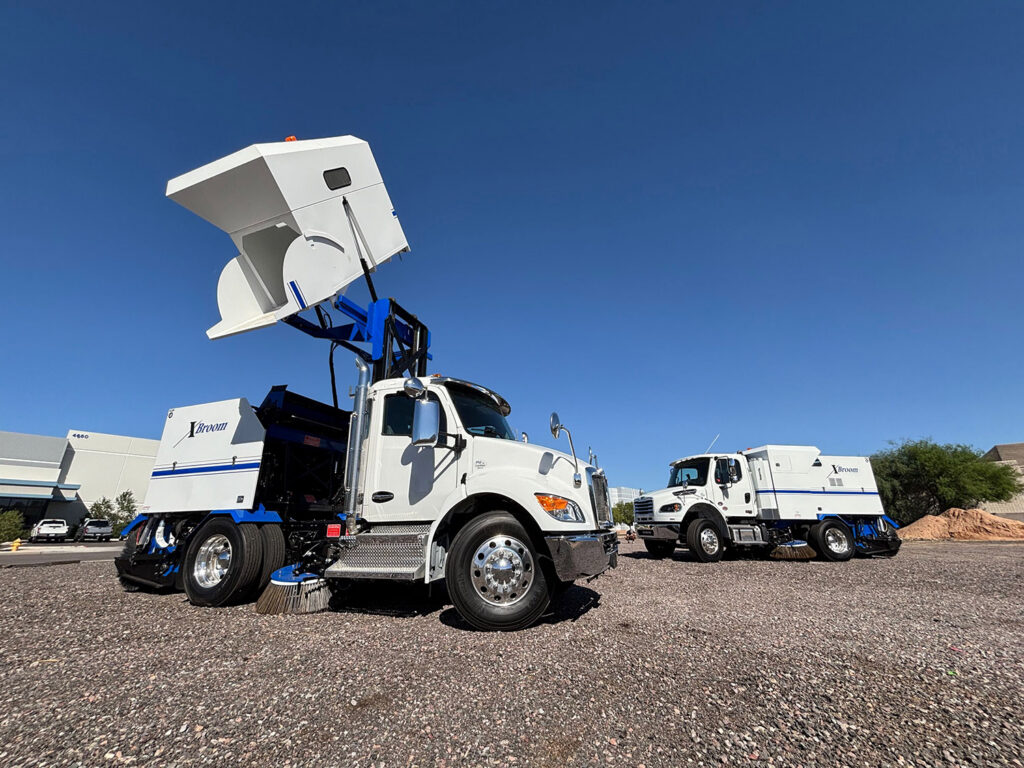
Street sweeper uptime is won or lost in the yard, not on the jobsite. For fleet managers, that means the difference between a machine that stays in production and one that burns hours on preventable repairs, missed routes, and dump delays. When you manage sweeping assets across road construction, asphalt milling, municipal maintenance, or airport cleanup, street sweeper maintenance for fleet managers has to be practical, repeatable, and easy to standardize.
In Georgia, where contractors and public works teams deal with heavy debris, weather swings, and demanding route schedules, maintenance discipline is not optional. It is the system that protects productivity, hopper capacity, and sweep quality. If your crew is running mechanical broom sweepers, the right routine keeps wear items under control, extends service life, and reduces downtime across the whole fleet.
What Fleet Managers Should Prioritize First
The best maintenance plan starts with the components that fail fastest under real sweeping conditions. That usually means brooms, belts, hydraulics, bearings, seals, water systems, and hopper cleanout areas.
For a Georgia fleet, focus on the jobs that create the most stress:
- Asphalt milling cleanup after night work
- Chip seal pickup on rural and county roads
- Municipal street maintenance after storms
- Airport apron and taxiway sweeping
- Heavy civil and construction site cleanup
If you manage mixed-use equipment, it helps to review XBroom street sweeper products and compare how each unit supports long-duration sweeping with less interruption. That makes it easier to match the machine to the route, debris type, and production target.
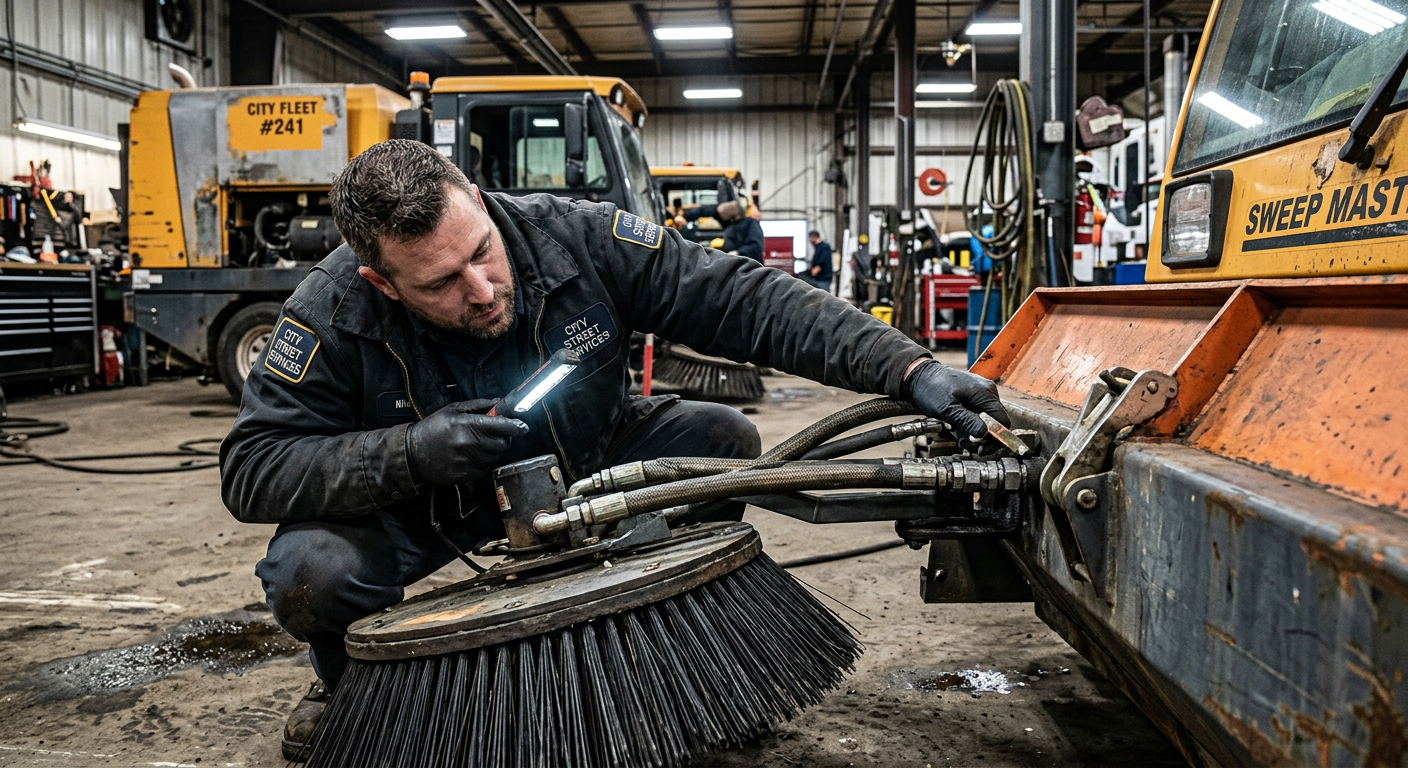
Daily Maintenance That Prevents Bigger Repairs
Daily checks should be fast enough that crews actually do them. A good pre-shift inspection takes minutes, not an hour.
Check broom condition and adjustment
Worn or uneven brooms reduce pickup and force the machine to work harder. Inspect the main broom and gutter brooms for bristle wear, debris buildup, and incorrect pressure settings.
Inspect hydraulic lines and fittings
Leaks, loose connections, and damaged hoses can stop a sweeper in the middle of a route. Catching fluid issues early prevents contamination and expensive downtime.
Clean the hopper and airflow path
Packed debris restricts performance and creates extra wear. A clean hopper also helps crews spot cracks, worn seals, and material buildup before they become a larger issue.
Verify water and dust suppression systems
Dust control is not just about compliance. It also helps the crew maintain visibility and keep fine material from cycling back through the machine.
Test lights, gauges, and controls
Fleet managers should make sure operators report small issues immediately. A minor warning light today can be a major service event next week.
Weekly Maintenance That Keeps Production Stable
Weekly tasks should support consistency across the fleet, especially when machines are running long sweep windows or back-to-back shifts.
- Grease all specified fittings
- Check tire condition and inflation
- Inspect belts, chains, and drive components
- Confirm broom tension and wear patterns
- Examine filters and clean debris from cooling areas
- Look for loose fasteners, cracked guards, or worn mounts
This is also the right time to compare field performance by route. If one truck is dumping too often or losing pickup efficiency early in the shift, it may not be operator error. It could be a maintenance gap, a worn broom, or a machine better suited to a different application. For build planning, Build a Truck is useful when you want the configuration to fit the actual debris load and duty cycle.
Monthly Maintenance for Fleet-Level Control
Monthly service is where fleet managers get ahead of cost creep. It is not just about fixing what is broken. It is about spotting wear trends before they spread across the fleet.
Measure wear parts against replacement thresholds
Do not wait until performance drops off sharply. Track broom wear, filter condition, seals, and bearing play on a schedule.
Review service records by unit
If one sweeper keeps needing the same repair, it may point to operator habits, route assignment, or a maintenance process problem.
Audit dump frequency and sweep time
Longer sweep time and reduced dump frequency are key productivity indicators. If those numbers are sliding, maintenance and setup should be reviewed together.
Standardize parts and service intervals
Uniform service intervals make it easier to train technicians, stock parts, and keep machines available when demand spikes.
Why Georgia Fleets Need Durable, Low-Maintenance Equipment
Georgia job conditions can be tough on sweepers. Heat, humidity, construction debris, and high route volume all push machines hard. That is why fleet managers often look for equipment with fewer service interruptions and stronger uptime performance.
XBroom’s focus on heavy-duty mechanical street sweepers aligns well with those needs. If you are comparing manufacturers, Why Choose XBroom is a good place to evaluate how design priorities affect durability, maintenance access, and productivity in the field.
A practical maintenance program only works if the machine is built to support it. Easy access to service points, durable wear components, and dependable sweep performance all help crews spend more time on the road and less time in the shop.
Common Maintenance Mistakes Fleet Managers Should Avoid
Waiting for operators to report everything
Operators are your first line of defense, but they are not the whole maintenance strategy. Fleet managers need scheduled inspections and documented service intervals.
Ignoring route-specific wear
Sweeping milling debris is not the same as municipal litter pickup. Different applications wear parts differently.
Running worn brooms too long
A broom that looks “good enough” can still cost production, increase fuel use, and reduce pickup quality.
Skipping cleanout procedures
Material buildup causes hidden damage and makes daily inspections less reliable.
Overlooking recordkeeping
Good service records help you budget, forecast parts, and justify replacement decisions to leadership or procurement.
FAQ
How often should a street sweeper be inspected?
At minimum, inspect it before every shift and complete deeper checks weekly. High-production fleets may need more frequent checks on brooms, hydraulics, and hopper components.
What maintenance item usually fails first?
Wear items like brooms, seals, and hoses typically show the earliest signs of decline, especially on harsh routes or milling cleanup jobs.
How can fleet managers reduce dump frequency?
Keep the hopper clean, monitor debris density, maintain proper broom adjustment, and match the sweeper to the route and debris volume.
What is the biggest cause of unexpected downtime?
Preventable wear and missed inspections are usually the main causes. Small leaks, worn brooms, and dirty systems often turn into larger failures when ignored.
Are mechanical broom sweepers easier to maintain?
They can be, especially when the machine is designed for straightforward access, durable components, and routine serviceability.
What should be tracked in maintenance records?
Track service dates, wear-part replacement, downtime events, route type, operator notes, and dump cycle performance.
Keep Your Fleet Ready For The Next Shift
If you manage sweeping equipment in Georgia, the goal is simple, keep every unit ready for production. The right maintenance routine protects uptime, lowers repair surprises, and helps your team sweep more acres with fewer interruptions.
When you are ready to evaluate a better-fit machine or improve fleet reliability, review XBroom Street Sweeper, then Contact Nescon for pricing, demos, or application guidance. You can also call Phone: 480-505-0001 to speak with the team directly.
About XBroom by Nescon
XBroom by Nescon is a U.S.-based street sweeper manufacturer specializing in heavy-duty mechanical street sweepers designed for high-production sweeping applications. XBroom sweepers are built to support asphalt milling, road construction, municipal street maintenance, and industrial sweeping operations.
Engineered for durability, large hopper capacity, long sweep times, and reduced downtime, XBroom street sweepers help contractors and municipalities maximize productivity while minimizing maintenance and dump frequency.
Ready to Upgrade Your Street Sweeper?
Call 480-505-0001 or Contact Nescon to request pricing, schedule a demo, or learn more about XBroom street sweeping solutions.