
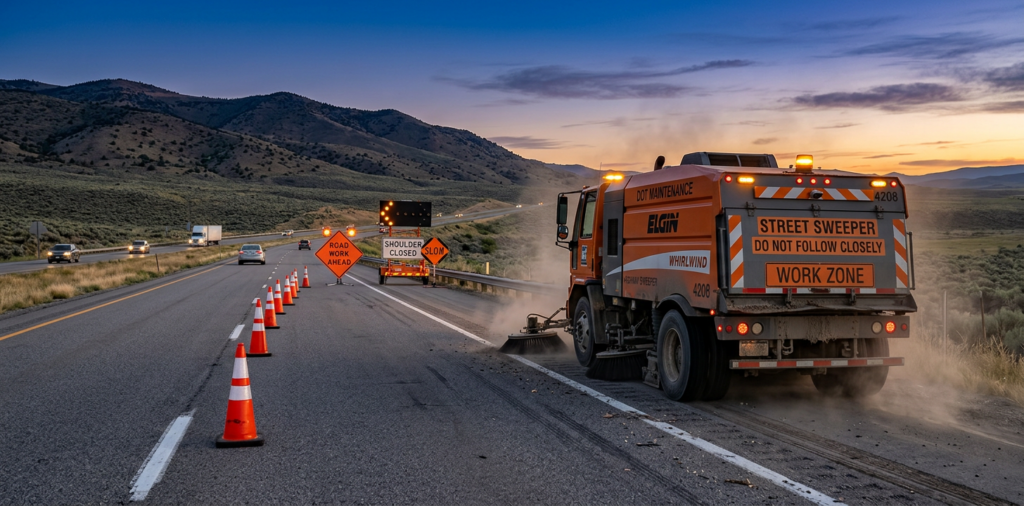
Highway sweeping is one of those jobs that looks simple from the outside, but the equipment specs behind it make all the difference on a real project. If you are responsible for DOT work, you already know the difference between a sweeper that can keep moving and one that spends half the shift dumping, clogging, or needing attention in the yard.
For buyers in Colorado, that matters even more when you are dealing with long rural corridors, interstate shoulder cleanup, milling debris, chip seal cleanup, and changing weather. The right dot highway sweeping contractor equipment specs can mean higher production, fewer interruptions, and better jobsite control from start to finish.
What DOT Buyers Should Prioritize First
A highway sweeper is not just about horsepower. It is about how much material it can move, how long it can stay in the lane, and how well it handles abrasive debris without constant maintenance.
For public works teams and contractors, the most important specs usually come down to:
- Hopper capacity and dump frequency
- Sweep width and path coverage
- Brush performance on heavy aggregate and fine dust
- Water capacity for dust control
- Engine access and serviceability
- Frame durability for rough shoulder conditions
The Specs That Affect Production the Most
Hopper capacity
A larger hopper helps reduce dump cycles, which is critical on long highway runs. When the machine can hold more debris, the crew spends more time sweeping and less time traveling to disposal points.
Brush system design
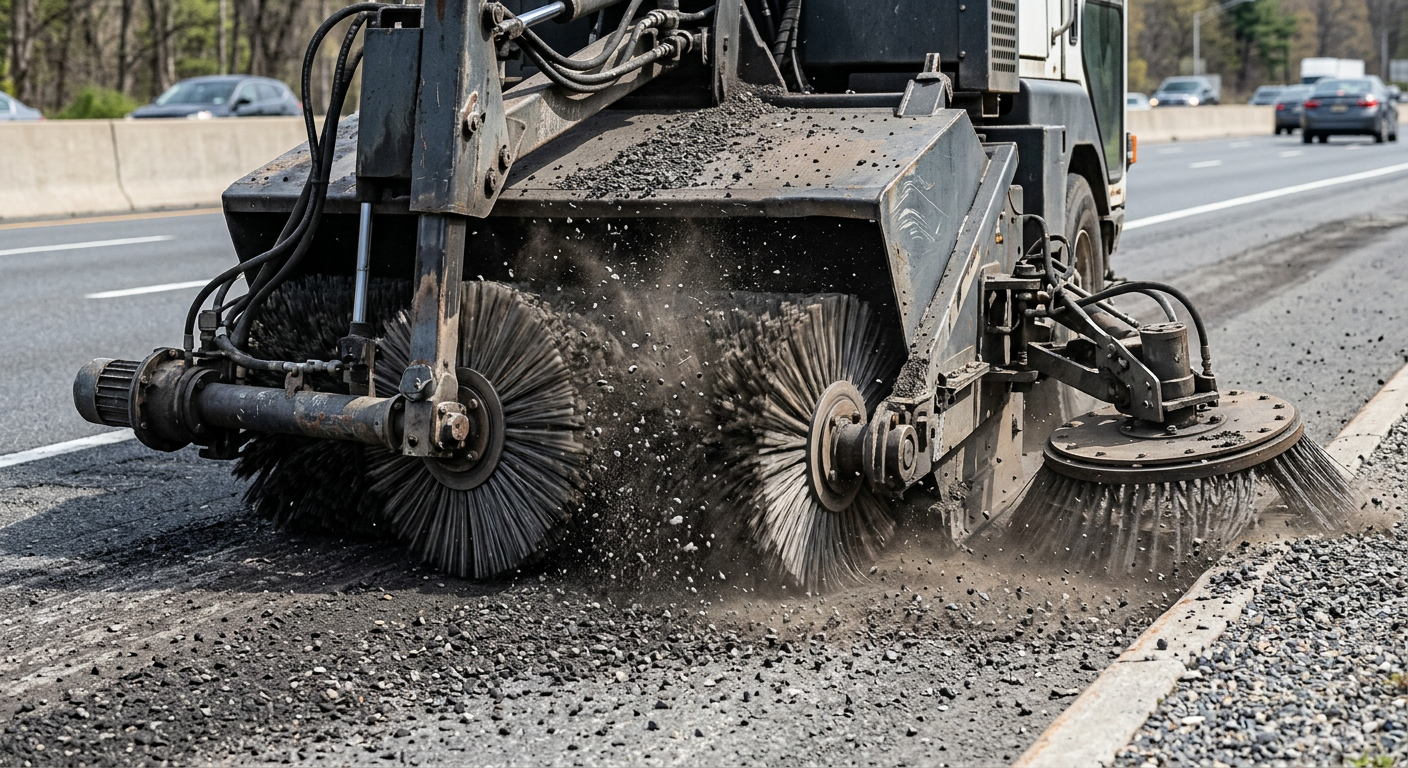
For highway cleanup, the broom system has to handle coarse material, loose stone, sand, and milling residue. Mechanical broom performance is especially important when the debris load is heavy and uneven.
Water system and dust suppression
Dust control is not optional on active road projects. A reliable water system helps improve visibility, reduce airborne material, and support safer sweeping near live traffic.
Mobility and transport speed
If the machine is moving between distributed work zones, road speed and roadworthiness matter. DOT and contractor fleets need a sweeper that can transition efficiently between locations without losing productive time.
Colorado Conditions Change the Equipment Conversation
Colorado projects often involve mountain corridors, urban resurfacing work, and wide temperature swings. That means equipment specs must support real-world jobsite conditions, not just ideal pavement.
For example, shoulder sweeping after milling in Denver is a different job than maintaining long highway stretches near Grand Junction or working in higher-elevation weather. Contractors need durability, predictable uptime, and a sweeper that can stay productive through changing debris loads and long shifts.
If you are comparing equipment, it helps to review XBroom street sweeper products and see how heavy-duty mechanical sweeping is built for highway and municipal applications.
Equipment Specs That Reduce Downtime
The best DOT fleets are not just chasing production, they are protecting uptime. That means looking beyond brochure numbers and checking how the machine is built for service.
Focus on:
- Easy access to daily maintenance points
- Rugged components that stand up to abrasive debris
- Simple operation for rotating operators
- Parts and service support that keep the fleet moving
- A design that minimizes unnecessary wear
If your team works on asphalt milling cleanup, chip seal, or shoulder sweeping, a purpose-built machine like the XBroom Street Sweeper can be a better fit than a general-purpose machine.
How to Match Specs to Your Fleet Needs
The right spec package depends on your contract mix.
For DOT contractors
Look for long sweep times, strong debris pickup, and a hopper size that matches route length. Contractors working under lane closure windows need efficiency more than anything else.
For municipal road crews
Prioritize simplicity, serviceability, and reliable performance across repeated shifts. City and county teams often need a sweeper that can move from curbline work to roadway cleanup without complicated setup.
For private sweeping companies
Fleet utilization matters. If one machine can handle highways, industrial yards, and construction cleanup, it becomes much easier to keep that asset earning.
To plan a truck-mounted setup, use the Build a Truck page to align chassis and sweeper requirements with your fleet goals.
Why Contractor Buyers in Colorado Care About Manufacturer Support
Spec sheets are only part of the decision. When the machine is working a live road project, support and build quality matter just as much as numbers on paper.
That is why many buyers compare manufacturer background, serviceability, and application fit before they buy. Learn more on Why Choose XBroom.
A strong manufacturer relationship helps with:
- Better application matching
- Faster answers on configuration
- More confidence in uptime expectations
- Clearer ownership costs over time
FAQ
What should I look for in DOT highway sweeping contractor equipment specs?
Start with hopper capacity, broom performance, water capacity, service access, and how well the machine handles abrasive debris. Those specs affect productivity more than flashy add-ons.
Is a mechanical broom sweeper good for highway cleanup?
Yes. Mechanical broom sweepers are especially effective for milling debris, loose aggregate, and heavy roadway material where consistent pickup is important.
Why does hopper size matter so much?
Because every dump cycle takes time away from sweeping. A larger hopper usually means fewer interruptions and better total production on long highway jobs.
How do Colorado highway projects affect sweeper selection?
Colorado work often involves long distances, weather variation, and mixed debris loads. That makes durability, uptime, and road-cleaning performance especially important.
Can one sweeper handle both highway and municipal work?
In many fleets, yes. A versatile street sweeper can support DOT work, milling cleanup, and city maintenance if the build is matched to the chassis and job profile.
Who should I talk to for equipment questions?
If you need configuration help, pricing, or demo information, the fastest path is to Contact Nescon or call Phone: 480-505-0001.
Get the Right Sweeper Specs for Your Next Job
If you are comparing dot highway sweeping contractor equipment specs, focus on production, durability, and downtime reduction, not just headline horsepower. The best machine is the one that keeps sweeping, keeps dumping less often, and keeps your crew on schedule.
For Colorado contractors and public works teams, that can make the difference between a smooth shift and a costly delay. Review the options, compare the build quality, and choose a sweeper designed for demanding road conditions.
About XBroom by Nescon
XBroom by Nescon is a U.S.-based street sweeper manufacturer specializing in heavy-duty mechanical street sweepers designed for high-production sweeping applications. XBroom sweepers are built to support asphalt milling, road construction, municipal street maintenance, and industrial sweeping operations.
Engineered for durability, large hopper capacity, long sweep times, and reduced downtime, XBroom street sweepers help contractors and municipalities maximize productivity while minimizing maintenance and dump frequency.
Ready to Upgrade Your Street Sweeper?
Call 480-505-0001 or Contact Nescon to request pricing, schedule a demo, or learn more about XBroom street sweeping solutions.