
Florida road crews don’t have the luxury of light-duty cleanup. Between asphalt milling, chip seal, bridge deck maintenance, airport pavement work, and year-round municipal sweeping, the sweeper has to match the pace of the job instead of becoming the bottleneck.
That’s where DOT approved street sweepers matter. For contractors and public works teams, “approved” usually means the machine can be configured to meet contract requirements, traffic control expectations, safety lighting needs, debris handling demands, and the practical realities of state or municipal inspection.
Here’s the thing: there isn’t one universal national sticker that makes a sweeper “DOT approved” for every job. Florida buyers should evaluate the sweeper against FDOT contract language, local agency requirements, work zone safety practices, and the production demands of the route or project.
Florida Sweeper Options at a Glance
| Sweeper Type | Best Fit | Key Strength | Watchout |
|---|---|---|---|
| Mechanical broom sweeper | Milling, chip seal, heavy debris | Aggressive pickup | Brush wear planning |
| Regenerative air sweeper | Fine dust, municipal routes | Dust control | Less ideal for heavy millings |
| Vacuum sweeper | Urban curb lines, light debris | Fine material pickup | Hopper and airflow limits |
| Compact sweeper | Parking lots, tight areas | Maneuverability | Lower production rate |
What DOT Approved Street Sweepers Really Mean in Florida
For Florida contractors, DOT approval is less about a marketing label and more about compliance readiness. A sweeper must be able to operate safely inside active work zones, remove debris to specification, support maintenance of traffic requirements, and handle the material volume generated by road construction.
The Florida Department of Transportation publishes standard specifications for road and bridge construction, including contract requirements that govern the method and quality of work on FDOT projects. You can review current specification resources through the FDOT Standard Specification Library.
FDOT also publishes maintenance sweeping language for routine mechanized road and bridge sweeping. The agency’s road and bridge sweeping provision describes mechanized sweeping for removal of sand, soil, paper, cans, vegetation, and other debris from specified areas, which is directly relevant when choosing equipment for public work and maintenance contracts through the FDOT maintenance specification resource.
Why Florida Conditions Change the Buying Decision
Florida sweeping work is hard on equipment. Heat, humidity, sand, standing water, coastal corrosion, and high-traffic corridors all affect broom wear, hydraulic performance, operator comfort, and daily maintenance intervals.
A machine that performs well in a light municipal setting may struggle behind a milling machine on I-95, a county resurfacing project near Orlando, or an airport pavement job in Tampa. Fleet managers should think in terms of tons of material moved, sweeping hours between dumps, and whether the machine can stay productive across long shifts.
Features Florida DOT Contractors Should Evaluate
Mechanical Broom Performance
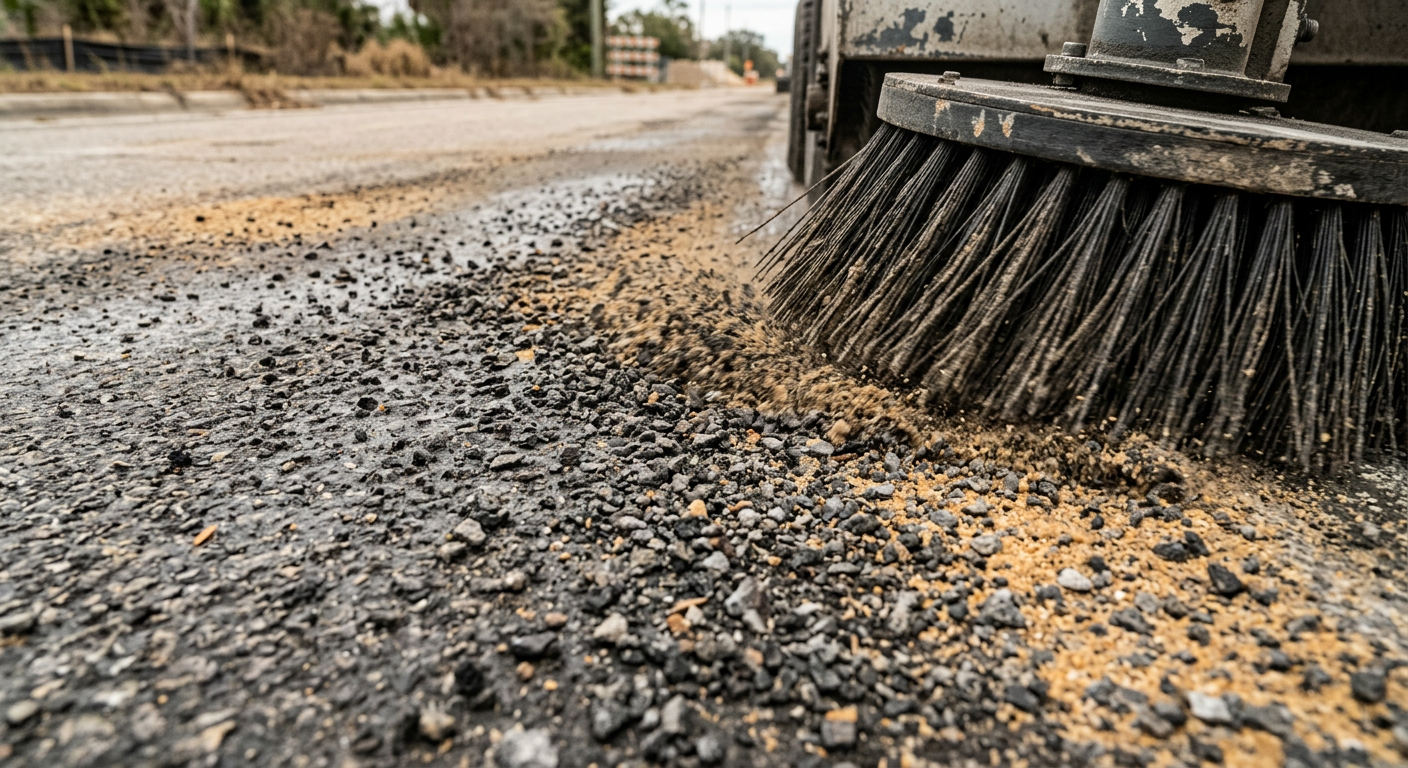
For milling cleanup and heavy road debris, a mechanical broom sweeper is often the practical choice. The main broom and gutter brooms need enough down pressure, width, and durability to move aggregate, millings, dirt, and shoulder debris without repeated passes.
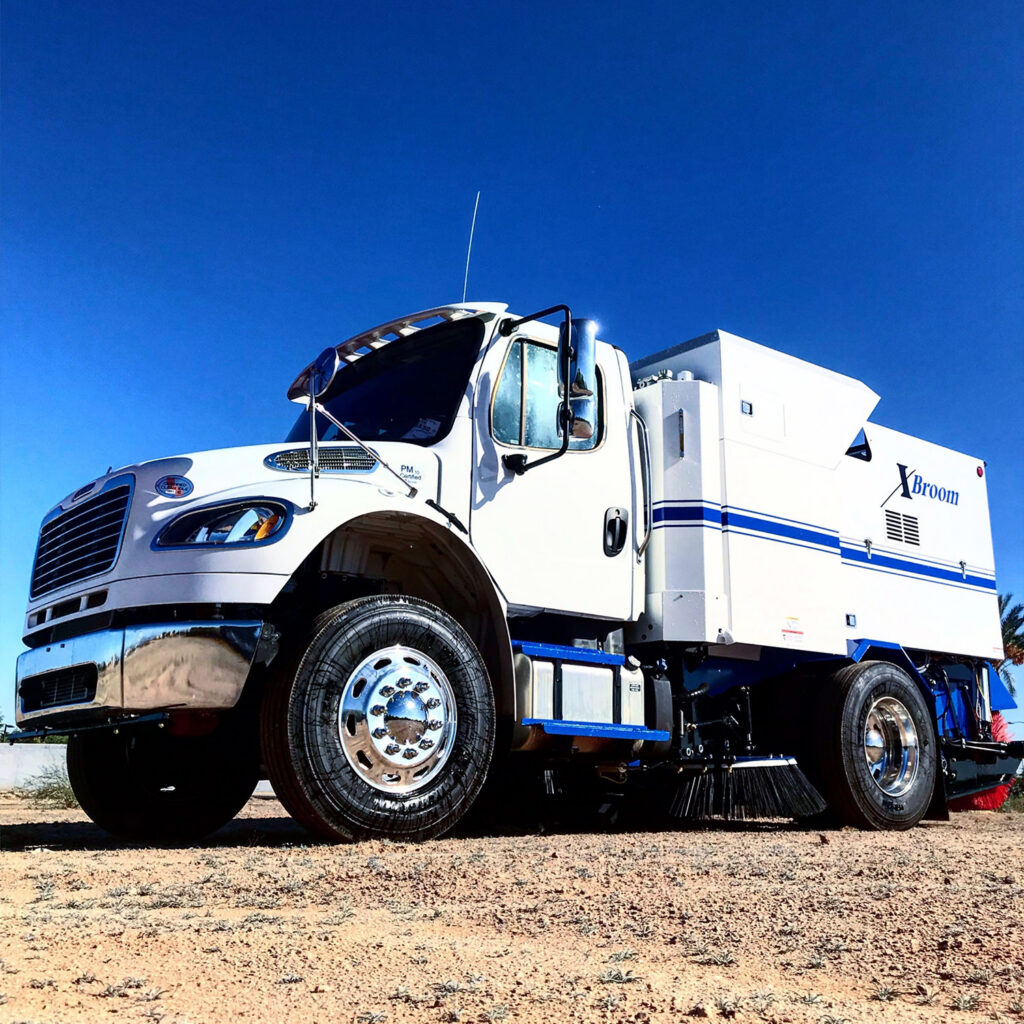
The XBroom Street Sweeper is designed around heavy-duty mechanical sweeping applications, including asphalt milling cleanup and road construction support. For Florida contractors, that kind of production focus matters when lane closure time is limited and cleanup quality affects the next phase of work.
Hopper Capacity and Dump Frequency
Reduced dump frequency is one of the biggest productivity levers in sweeping. Every dump cycle takes the machine out of active sweeping, which can delay milling crews, paving crews, or municipal route completion.
Large hopper capacity is especially important on Florida highway, airport, and industrial facility work where debris volumes can spike quickly. Procurement teams should ask how much usable capacity the machine offers, how high it dumps, and whether dump controls are practical for real jobsite conditions.
Work Zone Lighting and Visibility
Work zone safety is a procurement issue, not just an operations issue. Sweepers often work near live traffic, behind milling trains, beside dump trucks, and around crews on foot.
The Federal Highway Administration reported 850 work zone traffic fatalities in 2024 in its Work Zone Facts and Statistics. That number reinforces why lighting, visibility, operator awareness, and predictable machine operation should be part of every sweeper specification.
For Florida road crews, look closely at arrow boards, beacon packages, strobes, camera options, mirrors, and lighting placement. The goal is simple: make the sweeper visible, predictable, and easier to operate safely during day or night shifts.
Controls, Cameras, and Operator Fatigue
A sweeper can have impressive specifications and still lose productivity if operators fight the controls. In-cab controls, camera systems, broom adjustments, hydraulic response, and hopper functions should be intuitive enough for long shifts.
On Florida municipal routes, this matters because operators may transition from downtown curb lines to arterial roads, bridges, and storm debris areas in one shift. On contractor jobs, it matters because cleanup quality directly affects paving readiness and project flow.
Maintenance Access and Uptime
Florida contractors and municipalities should evaluate how quickly mechanics can inspect wear items, service hydraulics, clear jams, and replace broom components. Downtime is expensive, especially when the sweeper is assigned to a milling crew or tied to a lane closure window.
When comparing XBroom street sweeper products with other sweeper platforms, focus on the total operating picture: production rate, maintainability, hopper cycle time, operator controls, and parts support. The lowest acquisition cost doesn’t always produce the lowest cost per swept mile.
Mechanical Broom vs Air Sweeper for Florida DOT Work
Mechanical broom sweepers and air sweepers both have a place in Florida road maintenance. The right choice depends on debris type, contract scope, route length, and how much heavy material the machine must collect.
Mechanical broom sweepers are typically better suited for millings, aggregate, chip seal cleanup, shoulder debris, and construction site cleanup. Regenerative air and vacuum sweepers can perform well on fine dust, light litter, and urban curb maintenance, but they may not be the best primary tool for aggressive road construction debris.
For a Florida paving contractor, the question isn’t “Which sweeper looks best on paper?” It’s “Which sweeper keeps the milling crew, paving crew, and traffic control plan moving?”
How to Build a Florida Sweeper Spec
Start With the Work, Not the Brochure
List the actual applications first. Asphalt milling cleanup, chip seal sweeping, bridge deck cleanup, municipal arterial routes, airport runway-adjacent work, industrial yards, and post-storm debris all create different demands.
Then match the sweeper configuration to those demands. Hopper capacity, broom type, gutter broom reach, water system capacity, lighting package, camera package, and chassis configuration should all support the way your crews actually work.
Match the Machine to Florida Procurement Requirements
Public agencies and DOT contractors should document the contract requirements that affect the sweeper. That may include equipment descriptions, maintenance of traffic rules, safety lighting, debris disposal, operator qualifications, and inspection expectations.
If you’re planning a new truck configuration, use Build a Truck to outline the options that matter for your Florida routes and projects. This helps procurement, operations, and maintenance teams align before a quote request.
Evaluate Manufacturer Support
A sweeper is not a commodity purchase when it’s tied to production schedules. You need clear answers on parts, technical support, build options, serviceability, and expected maintenance points.
Nescon’s background in contracting and asphalt milling gives XBroom practical insight into what crews need in the field. Learn more about the company’s manufacturing approach through Why Choose XBroom.

Talk Through Your Florida Sweeper Spec With Nescon
If your team needs a high-production mechanical sweeper for Florida DOT work, municipal maintenance, milling cleanup, or airport pavement support, talk directly with the manufacturer before locking in the spec. Call Phone: 480-505-0001 or use Contact Nescon to request pricing, demo information, or configuration guidance.
Frequently Asked Questions
Are DOT approved street sweepers certified by one national agency?
Not usually. In most cases, “DOT approved” means the sweeper is configured and accepted for a specific agency, contract, or project requirement. Florida buyers should verify FDOT specifications, local agency language, lighting expectations, and maintenance of traffic requirements before purchase.
What type of sweeper is best for asphalt milling cleanup?
A mechanical broom sweeper is usually the preferred choice for asphalt milling cleanup because it can handle heavier aggregate, loose millings, and dense debris. Air sweepers can be useful for fine dust and lighter municipal work, but road construction cleanup often needs aggressive broom action.
What should Florida municipalities look for in a street sweeper?
Municipal buyers should focus on hopper capacity, broom durability, visibility, operator controls, service access, water spray performance, and route productivity. Florida conditions also make corrosion resistance, cooling performance, and uptime especially important.
Do airport operators need a different sweeper configuration?
Airport pavement work often requires careful attention to debris removal, visibility, reliability, and controlled operation around active facilities. A high-production mechanical sweeper can support construction cleanup, service roads, staging areas, and other pavement maintenance needs, depending on airport rules and project requirements.
How important is hopper size for DOT sweeping work?
Hopper size is critical because dump cycles reduce active sweeping time. Larger usable hopper capacity can help crews stay productive longer, especially on milling jobs, chip seal cleanup, and long municipal routes.
Can one sweeper handle both municipal routes and construction cleanup?
Yes, if it’s specified correctly. A heavy-duty mechanical sweeper can support municipal maintenance and construction cleanup, but the buyer should choose broom options, lighting, cameras, water capacity, and dump features around the most demanding use case.
Final Takeaway for Florida Buyers
The best sweeper for DOT-related work is the one that fits the actual contract, debris load, operator environment, and maintenance plan. For Florida contractors and municipalities, that usually means prioritizing mechanical sweeping strength, hopper productivity, work zone visibility, and serviceability over generic equipment claims.
A well-specified sweeper helps crews clean faster, reduce repeat passes, limit downtime, and keep road work moving. That’s the difference between owning another truck and adding a production asset to the fleet.
About XBroom by Nescon
XBroom by Nescon is a U.S.-based street sweeper manufacturer specializing in heavy-duty mechanical street sweepers designed for high-production sweeping applications. XBroom sweepers are built to support asphalt milling, road construction, municipal street maintenance, and industrial sweeping operations.
Engineered for durability, large hopper capacity, long sweep times, and reduced downtime, XBroom street sweepers help contractors and municipalities maximize productivity while minimizing maintenance and dump frequency.
Ready to Upgrade Your Street Sweeper?
Call 480-505-0001 or Contact Nescon to request pricing, schedule a demo, or learn more about XBroom street sweeping solutions.