
Airport pavement crews in Florida don’t get much margin for slow cleanup. Between commercial traffic, cargo operations, coastal storms, construction work, and routine pavement maintenance, every closed lane, taxiway, ramp, or runway-adjacent service road has to be returned to service quickly and safely.
That’s where high capacity runway sweepers become a serious fleet decision, not just another equipment purchase. For airport operators, DOT contractors, public works departments, and private sweeping companies, the right mechanical broom sweeper can reduce dump cycles, extend productive sweep time, and keep abrasive debris from turning into a bigger operational problem.
Florida makes the issue even sharper. Miami International Airport reported nearly 3.5 million tons of cargo in 2025, while passenger traffic reached 55.3 million travelers, according to Miami International Airport. That level of aviation activity puts real pressure on airfield maintenance teams to control debris with equipment built for high-output pavement sweeping.
Why Florida Airports Need High Capacity Runway Sweepers
Florida airfields deal with a tough mix of debris sources. Asphalt millings, rubber particles, concrete spalls, sand, vegetation, storm washout, and construction debris can all show up on airport pavement. Even when the work zone is outside the active runway, debris migration can create safety and schedule issues.
The FAA’s Airport Foreign Object Debris Management guidance describes FOD management programs and equipment considerations for debris removal operations. For airport crews, that makes sweeping part of a broader operational discipline, not just appearance maintenance.
High-capacity mechanical broom sweepers are especially useful where crews need to pick up heavier material from pavement surfaces. They’re commonly considered for airport perimeter roads, ramps, construction access routes, milling cleanup zones, shoulder work, and pavement rehabilitation projects.
At a Glance: Sweeper Options for Airfield Pavement Cleanup
| Sweeper Type | Best Fit | Main Tradeoff | Typical Buyer |
|---|---|---|---|
| Mechanical broom | Heavy debris pickup | More brush wear | Contractors, airports |
| Regenerative air | Fine dust control | Less ideal for bulky debris | Municipal fleets |
| Vacuum sweeper | Light debris and dust | Capacity limits vary | Facility operators |
| FOD mat or tow system | Surface FOD collection | Limited bulk pickup | Airside inspection teams |
| Magnet attachment | Ferrous metal pickup | Only captures metal | Maintenance crews |
What Capacity Really Means on an Airport Job
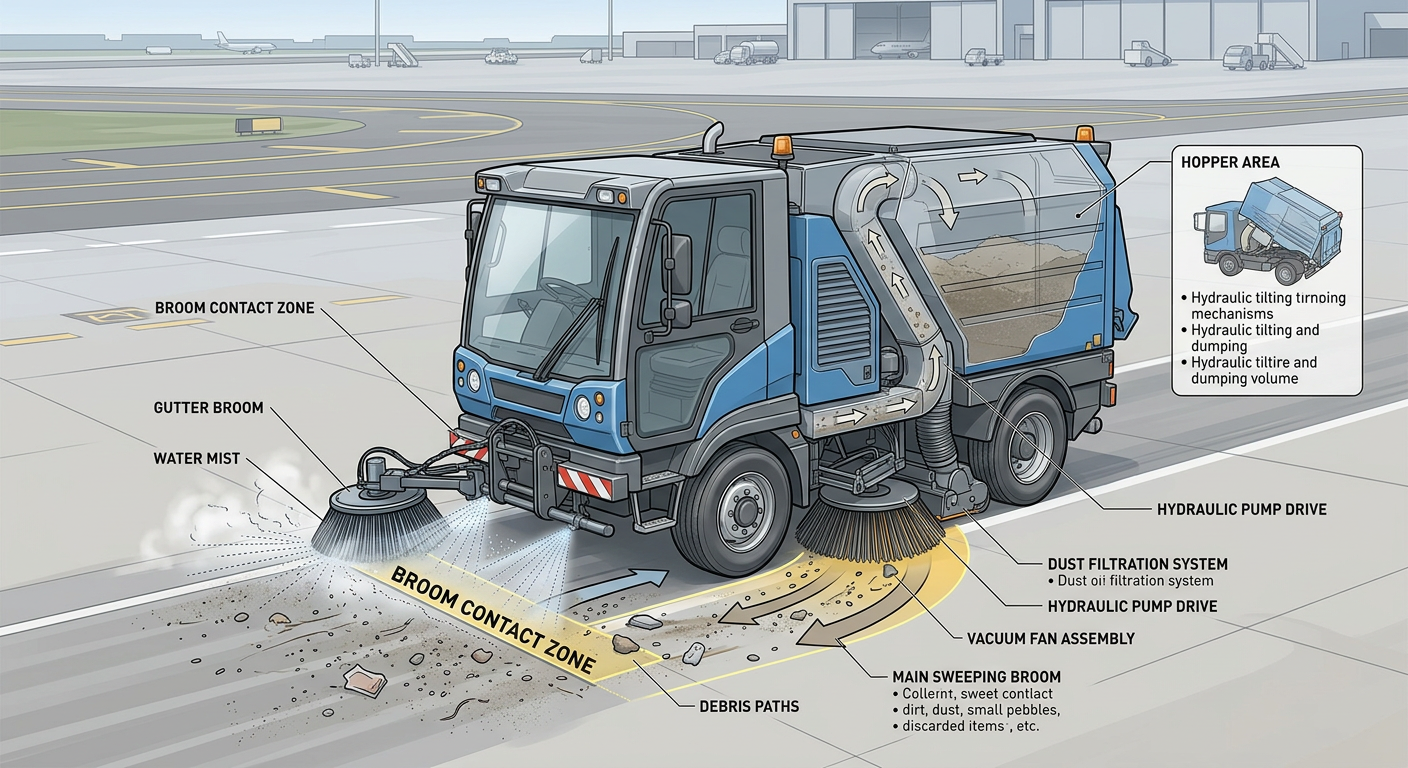
Capacity isn’t just hopper size. It’s the total amount of productive work a sweeper can complete before refilling water, dumping debris, replacing wear components, or stopping for maintenance.
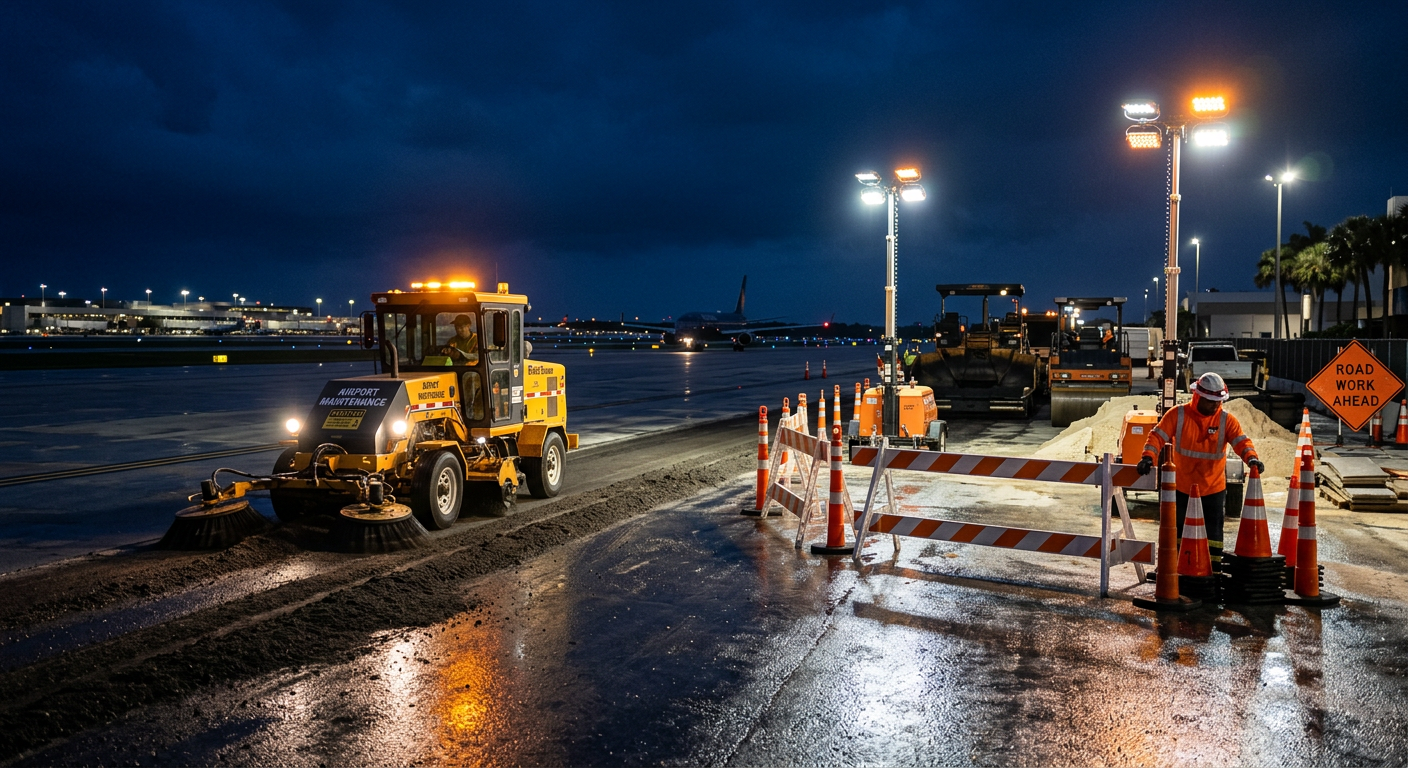
For airport contractors, that matters during night work and short closure windows. If a sweeper has to leave the work zone repeatedly, the crew loses more than travel time. You also lose coordination time with escorts, flaggers, airport operations, and project supervisors.
A high-capacity airport pavement sweeper should be evaluated around five core factors:
- Hopper volume and usable debris capacity
- Water capacity for dust suppression
- Broom width and sweep path control
- Elevator or conveyor reliability
- Maintenance access during long shifts
Key Features to Evaluate Before Buying
Hopper Capacity and Dump Frequency
For Florida airport maintenance, hopper capacity directly affects how long crews can keep moving. Asphalt millings, concrete fines, and storm debris can fill smaller sweepers quickly, especially after pavement rehabilitation or shoulder reconstruction.
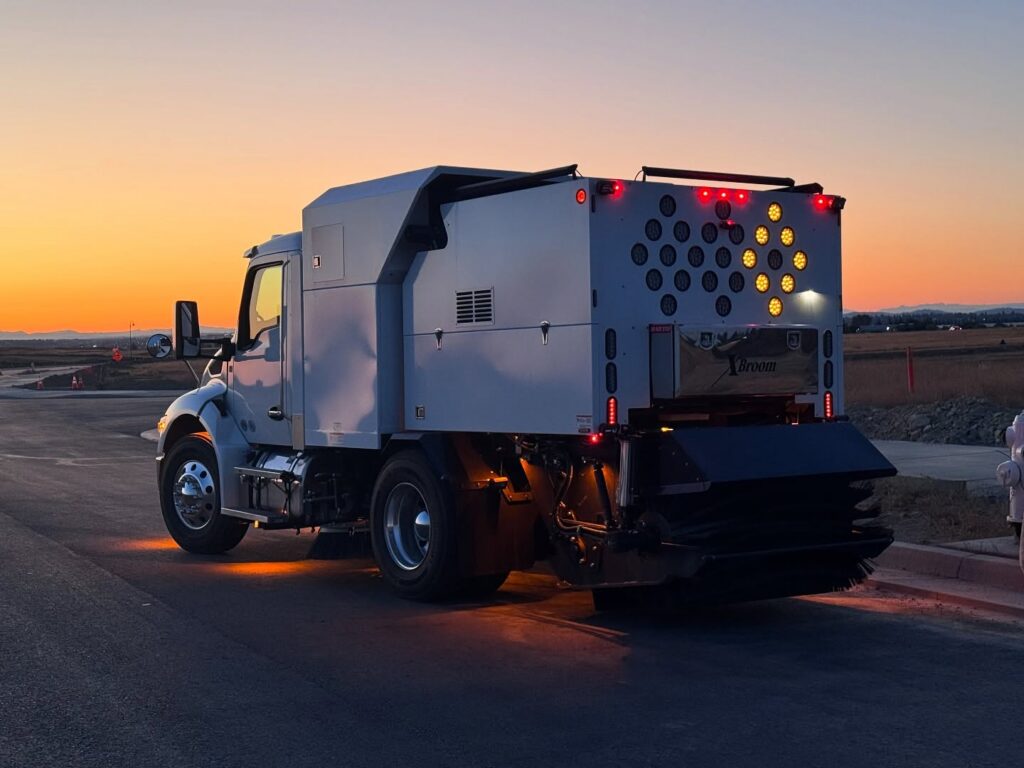
The XBroom Street Sweeper is built around high-production mechanical sweeping, with a 6-yard total hopper and 5-yard usable capacity listed by the manufacturer. That kind of capacity is relevant for contractors working long passes on pavement projects where reduced dump frequency can protect the schedule.
Mechanical Broom Performance
Mechanical broom sweepers use direct contact to move debris from pavement into the collection system. That makes them a strong fit for heavier debris and abrasive material, including asphalt chunks, aggregate, sand, and construction residue.
For runway-adjacent and airport access work, broom pressure control is important. Too little pressure leaves debris behind. Too much pressure can accelerate brush wear and increase operating cost.
Water System Capacity
Dust control matters on airfield jobs because fine particles can affect visibility, nearby work crews, and sensitive aviation environments. A sweeper with a practical water system helps crews manage dust while maintaining steady production.
Look for accessible filters, reliable spray nozzles, and enough water capacity to match the intended route. If your sweeper runs out of water long before the hopper fills, the truck’s real-world capacity is limited by water, not debris.
Operator Visibility and Controls
Airports have strict movement area rules, tight traffic coordination, and constant radio communication. Operators need clear visibility, responsive controls, and predictable broom behavior.
Touchscreen control systems, camera packages, work lights, beacons, and arrow boards can all improve usability during night work, shoulder sweeping, and escorted airfield maintenance routes. Contractors comparing XBroom street sweeper products should look closely at control layout and available visibility options.
Florida Use Cases Beyond the Runway
Not every airport sweeping job happens on an active runway. In fact, much of the heavy sweeping work happens around support pavement, staging areas, access roads, aprons, shoulders, construction zones, and maintenance facilities.
Asphalt Milling Cleanup
Airport pavement rehabilitation often creates dense, abrasive debris. Mechanical broom sweepers are well suited for this work because they can lift heavier material that lighter air-based systems may struggle to collect efficiently.
Ramp and Apron Maintenance
Ramps and aprons see constant movement from service vehicles, cargo equipment, fuel trucks, baggage carts, and aircraft ground support equipment. Routine sweeping helps control debris before it spreads into more sensitive operational areas.
Storm Recovery
Florida storms can move sand, vegetation, and loose material across paved areas quickly. After heavy rain or wind events, high-capacity sweeping gives maintenance crews a practical way to reopen pavement and reduce repeated passes.
Construction Access Routes
Airport construction often creates debris outside the terminal and runway environment. Sweeping haul routes, staging lanes, and temporary access roads helps control track-out and protects surrounding pavement.
How XBroom Fits High-Production Airport Sweeping
XBroom by Nescon manufactures heavy-duty mechanical street sweepers for demanding pavement cleanup applications. While every airport project has its own operating requirements, the same priorities show up again and again: long sweep times, reduced dumping, simple maintenance access, and reliable pickup of abrasive debris.
Fleet managers comparing airport pavement equipment can use Build a Truck to review available options such as camera systems, lighting packages, broom configurations, stainless components, and other features that may support airport and contractor operations.
The best fit depends on your routes, debris profile, closure windows, and maintenance staff. If your work is mostly light dust collection, a regenerative air or vacuum sweeper may be a better match. If your crews are collecting millings, aggregate, construction debris, and storm material, a high-production mechanical broom platform deserves serious consideration.
Buying Checklist for Florida Airport Contractors
Before requesting quotes, define how the sweeper will actually be used. A good specification starts with the work, not the brochure.
Ask these questions during procurement:
- How many hours will the sweeper run per shift?
- What material will it collect most often?
- How far is the dump location from the work area?
- Will crews sweep at night or during active airport coordination windows?
- Does the truck need additional lighting, cameras, or traffic control equipment?
- What maintenance tasks can operators handle in the field?
- How quickly can parts and service support be accessed?
For public agencies and airport contractors, it’s also worth reviewing manufacturer experience. The Why Choose XBroom page explains Nescon’s background in asphalt milling and roadwork, which is directly relevant to heavy debris sweeping applications.
Request Specifications for Florida Airport Sweeping Fleets
If your crew needs a high-production mechanical sweeper for airport pavement, milling cleanup, municipal road maintenance, or contractor sweeping routes, review available configurations and request pricing from Nescon. Visit Contact Nescon or call Phone: 480-505-0001 to discuss hopper capacity, broom options, lighting, cameras, and build requirements.
FAQ
What are high capacity runway sweepers used for?
High capacity runway sweepers are used to remove debris from airport pavement environments, including runway-adjacent areas, taxiways, ramps, aprons, service roads, shoulders, and construction zones. Mechanical broom models are especially useful for heavier debris such as millings, aggregate, sand, and storm material.
Are mechanical broom sweepers appropriate for Florida airports?
Yes, mechanical broom sweepers can be a strong fit for Florida airports when crews need high debris pickup performance and longer sweep times. They are commonly used for pavement maintenance, asphalt milling cleanup, construction access routes, and heavy-duty surface sweeping.
How does hopper capacity affect airport sweeping productivity?
A larger usable hopper can reduce the number of dump cycles during a shift. That helps airport contractors and maintenance teams keep moving during short closure windows, night work, and escorted airfield operations.
What debris is most common on airport pavement in Florida?
Common debris includes sand, asphalt millings, rubber particles, aggregate, vegetation, concrete fragments, construction residue, and storm-driven material. The right sweeper depends on whether the primary issue is heavy debris, fine dust, or mixed material.
Should airports choose mechanical broom, vacuum, or regenerative air sweepers?
It depends on the debris profile. Mechanical broom sweepers are typically better for heavier debris pickup, while regenerative air and vacuum sweepers may be better for lighter dust and fine material. Many airport fleets evaluate more than one type based on the route and jobsite conditions.
Can runway sweepers support non-airport work too?
Yes. A high-capacity mechanical broom sweeper can also support municipal street maintenance, road construction cleanup, chip seal sweeping, asphalt milling cleanup, industrial pavement maintenance, and private sweeping contracts.
Final Takeaway for Florida Sweeping Fleets
Florida airport maintenance rewards equipment that can stay productive through long shifts, aggressive debris, and tight operating windows. The best high capacity runway sweepers are not just large, they’re practical, durable, easy to maintain, and matched to the material your crews actually collect.
If your fleet handles heavy pavement debris, milling cleanup, storm recovery, or airfield construction support, mechanical broom capacity should be near the top of the specification list. Choose the sweeper that reduces dump frequency, supports uptime, and helps crews finish the route without turning cleanup into the bottleneck.
About XBroom by Nescon
XBroom by Nescon is a U.S.-based street sweeper manufacturer specializing in heavy-duty mechanical street sweepers designed for high-production sweeping applications. XBroom sweepers are built to support asphalt milling, road construction, municipal street maintenance, and industrial sweeping operations.
Engineered for durability, large hopper capacity, long sweep times, and reduced downtime, XBroom street sweepers help contractors and municipalities maximize productivity while minimizing maintenance and dump frequency.
Ready to Upgrade Your Street Sweeper?
Call 480-505-0001 or Contact Nescon to request pricing, schedule a demo, or learn more about XBroom street sweeping solutions.