
Loose aggregate after chip seal placement isn’t just a housekeeping issue. It affects public safety, windshield claims, cyclist complaints, road appearance, and whether your crew can reopen lanes with confidence.
For Colorado public works departments, DOT contractors, heavy civil crews, and private sweeping companies, how to clean chip seal gravel comes down to timing, broom pressure, debris capacity, traffic control, and using the right mechanical street sweeper for the job. Sweep too aggressively and you can pull embedded stone out of the binder. Wait too long and loose chips migrate into shoulders, intersections, drainage paths, and adjacent lanes.
Introduction: Why Chip Seal Cleanup Matters in Colorado
Chip seal is widely used because it can extend pavement life, seal minor cracking, and improve surface friction when applied correctly. The process is straightforward in concept: asphalt binder is applied to an existing road surface, clean aggregate is spread over it, rollers embed the stone, and excess chips are removed after the binder has had time to set.
Here’s the thing: the cleanup phase often determines how the public judges the entire project. Drivers don’t see binder application rates, roller coverage, or aggregate gradation. They see loose gravel, dust, lane tracking, and broken windshield risk.
Colorado adds another layer of complexity. Front Range municipalities, mountain communities, county roads, airport access roads, and industrial corridors all face different traffic speeds, grade changes, weather swings, and debris conditions. That’s why sweeping chip seal aggregate requires a production-minded plan, not just a broom pass at the end of the day.
How to Clean Chip Seal Gravel Without Pulling Embedded Stone
The goal is simple: remove loose cover aggregate while leaving properly embedded aggregate in place. That means the sweeper operator should treat a fresh chip seal surface differently than a milled asphalt cleanup, parking lot cleanup, or heavy construction debris pass.
Authoritative pavement guidance consistently points to controlled sweeping after adequate rolling and binder set. RoadResource chip seal best practices notes that if sweeping is specified right after rolling, it should be a light sweep to avoid dislodging aggregate. The FHWA chip seal checklist also identifies premature sweeping as a construction issue that can affect chip seal performance.
For road crews, that translates into a practical field rule: don’t use broom pressure to “fix” a curing problem. If chips aren’t bonded yet, the answer is more cure time, traffic control, and reduced speeds, not more aggressive sweeping.
Start With A Light Initial Sweep
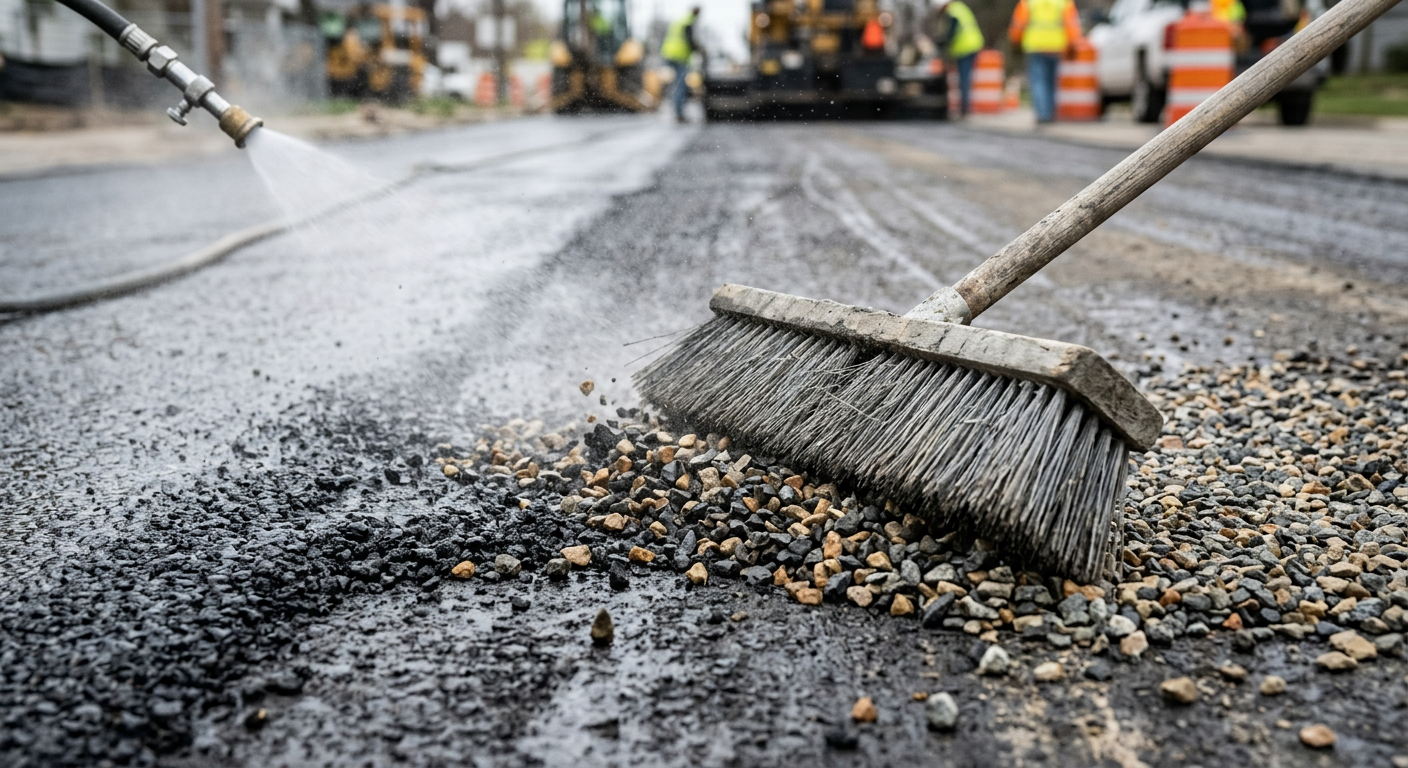
The first pass should be conservative. Use light broom contact, controlled travel speed, and enough water spray to manage dust without flooding the surface.
A light initial sweep helps remove the obvious loose aggregate sitting on top of the mat. It also gives the superintendent and operator a chance to evaluate whether the binder has developed enough hold before committing to higher production passes.
Follow With Production Sweeping After Cure Time
Many agencies schedule final sweeping after the surface has cured for several days. For example, Montgomery County, Maryland states that chip seal roads are swept of loose stones after a three to four day curing period, with water used for dust control as needed through its chip seal resurfacing guidance.
Colorado conditions may require adjustment. Hot, dry, windy days can create dust and visibility concerns. Cooler mountain areas may slow binder cure. High-speed rural traffic can move loose chips quickly toward shoulders and intersections.
Recommended Chip Seal Gravel Cleanup Sequence
A disciplined sequence helps crews avoid rework and keeps complaints down.
Inspect The Surface Before Sweeping
Before the sweeper enters the lane, the superintendent should check:
- Binder set and aggregate retention
- Loose stone depth in wheel paths
- Shoulder buildup
- Intersection and driveway tracking
- Dust conditions
- Traffic exposure and posted speeds
- Drainage inlets, curb lines, and bridge decks
If the broom pulls bonded aggregate from the surface during a test pass, stop and reassess. The chip seal may need more time before full cleanup.
Set Broom Pressure For Surface Protection
Fresh chip seal cleanup is not the place for maximum down pressure. Operators should use the lowest effective broom setting that removes loose material without scarring the mat or creating streaks.
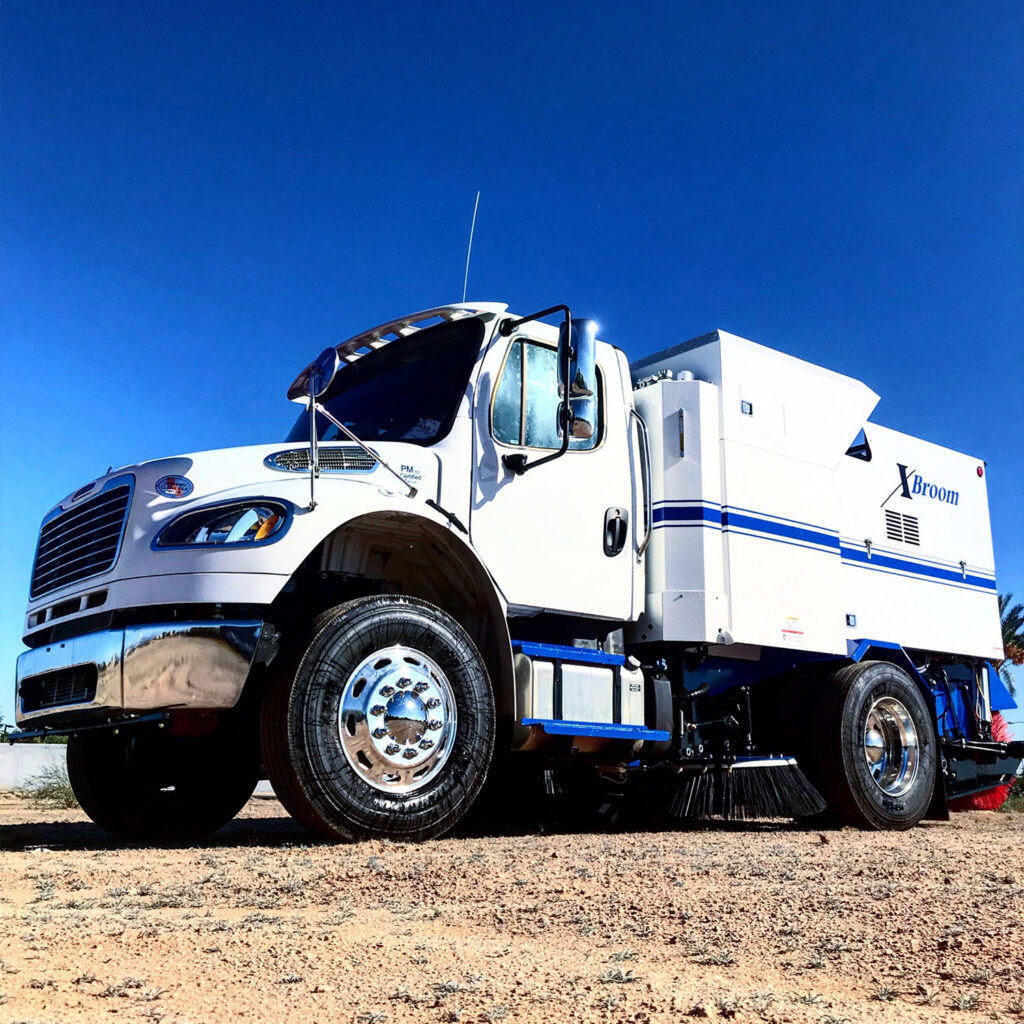
Mechanical broom street sweepers are well-suited for chip seal gravel because they can move larger aggregate efficiently. The key is control. Proper broom speed, down pressure, water spray, and elevator performance all influence whether the pass is clean or damaging.
For crews comparing equipment, the XBroom Street Sweeper is built around high-production mechanical sweeping applications where uptime, long sweep times, and reduced dump frequency matter.
Sweep From Centerline Toward Collection Points
On two-lane county roads, sweep in a pattern that moves loose aggregate out of travel paths without pushing it into unsafe piles. On municipal streets, prioritize intersections, turn lanes, bike lanes, curb lines, and driveway entrances.
Airport access roads and industrial facilities may require tighter debris control because loose aggregate can create hazards for specialized vehicles, trailers, and equipment traffic.
Use Water Spray Carefully
Water helps control dust, improves visibility, and keeps the operator from creating a rolling dust cloud. But too much water can create tracking, slurry-like buildup, and cleanup inefficiency.
Use enough water to suppress airborne fines while maintaining clear visibility and clean pickup. The goal is controlled sweeping, not washing aggregate across the pavement.
Plan Dump Cycles Around Production
Loose chip seal aggregate is heavy. If your sweeper has limited hopper capacity, crews may spend more time dumping than sweeping, especially on long county road segments or multi-day municipal programs.
That’s where equipment selection becomes a production decision. Fleet managers and procurement officers should evaluate hopper capacity, elevator durability, broom wear, water capacity, and service access before chip seal season starts. You can review available XBroom street sweeper products to compare heavy-duty mechanical sweeping options for road maintenance programs.
Common Mistakes When Cleaning Chip Seal Gravel
Even experienced crews can run into issues when schedule pressure builds. These mistakes are the ones that typically create rework, complaints, or surface damage.
Sweeping Too Soon
If the binder hasn’t set, aggressive sweeping can remove stone that should remain embedded. That leads to appearance problems, bleeding risk in some areas, and premature surface wear.
Using Too Much Down Pressure
More pressure doesn’t always mean cleaner pavement. On fresh chip seal, excessive broom force can pluck aggregate, scratch binder, and leave visible broom marks.
Ignoring Shoulders And Intersections
Loose chips don’t stay neatly in the lane. Traffic throws them into shoulders, curb lines, driveways, and crossroads. A cleanup plan should include these collection areas, especially on higher-speed Colorado rural roads.
Underestimating Dust Control
Chip seal aggregate fines can reduce visibility and frustrate nearby residents or businesses. Water spray, traffic spacing, and sweep timing all matter.
Running Equipment That Can’t Keep Up
Chip seal cleanup can involve long sweep times, heavy aggregate, and repeated passes. Contractors and municipalities that rely on light-duty sweepers may face frequent dumping, more downtime, and higher labor hours.
Equipment Priorities For Colorado Chip Seal Cleanup
When your crew is cleaning chip seal gravel across road construction zones, municipal streets, or county maintenance routes, the sweeper needs to handle abrasive stone and long operating windows.
Look for:
- Mechanical broom performance for larger aggregate pickup
- High hopper capacity to reduce dump frequency
- Durable elevator components for abrasive material
- Adjustable broom settings for fresh surfaces
- Water spray capacity for dust control
- Operator-friendly controls for consistent passes
- Service access that supports uptime in the field
XBroom by Nescon manufactures mechanical street sweepers for demanding road sweeping applications, including asphalt milling cleanup, chip seal cleanup, construction site cleanup, and municipal street maintenance. Contractors can configure options through Build a Truck based on fleet needs, operating environment, and production goals.

FAQ: Chip Seal Gravel Cleaning For Road Crews
When Should Loose Chip Seal Gravel Be Swept?
Initial sweeping may occur after rolling if the surface can tolerate it, but it should be light. Many agencies perform more complete cleanup after the binder has had additional cure time, often several days depending on weather, traffic, binder type, and project requirements.
What Type Of Sweeper Works Best For Chip Seal Aggregate?
A mechanical broom street sweeper is typically the preferred choice for loose chip seal gravel because it can handle larger aggregate and heavier debris loads. The operator must still use the correct broom pressure and travel speed to avoid disturbing embedded stone.
Can You Sweep Chip Seal Too Aggressively?
Yes. Excessive broom pressure, high broom speed, or sweeping before the binder has set can pull aggregate from the surface. That can reduce the quality of the chip seal and create uneven texture.
How Many Passes Are Needed To Clean Chip Seal Gravel?
It depends on aggregate application rate, cure time, traffic volume, road geometry, and shoulder conditions. A light first pass followed by one or more cleanup passes is common on roads with significant loose stone.
Should Water Be Used During Chip Seal Sweeping?
Yes, but carefully. Water spray helps control dust and improve visibility, especially in dry Colorado conditions. Too much water can move fines, create tracking, and reduce cleanup efficiency.
What Areas Need Extra Attention After Chip Seal?
Focus on intersections, curves, bike lanes, shoulders, bridge decks, driveways, curb lines, and drainage areas. Loose aggregate tends to accumulate where vehicles brake, accelerate, or change direction.
How Can Fleets Reduce Dump Frequency During Cleanup?
Choose sweepers with large hopper capacity, efficient pickup systems, and durable components designed for abrasive road debris. Reduced dump frequency can improve daily production and limit crew downtime.
Build A More Productive Chip Seal Cleanup Fleet
If your Colorado road maintenance program needs longer sweep times, fewer dump interruptions, and durable mechanical broom performance, XBroom by Nescon can help you evaluate the right sweeper configuration. Explore Why Choose XBroom, then call Phone: 480-505-0001 to discuss production requirements, demo options, and quote details.
For procurement teams, superintendents, and fleet managers planning chip seal season, the right equipment can reduce rework and keep crews moving. You can also Contact Nescon to request pricing or additional information.
Conclusion: Clean Chip Seal Gravel With Control, Not Force
Knowing how to clean chip seal gravel starts with respecting the surface. The best crews remove loose aggregate in controlled passes, protect embedded stone, manage dust, and use equipment built for long, abrasive sweeping days.
For Colorado contractors and municipalities, chip seal cleanup is a production operation. With the right timing, operator discipline, and heavy-duty street sweeper, you can leave roads cleaner, safer, and ready for public traffic with fewer complaints and less downtime.
About XBroom by Nescon
XBroom by Nescon is a U.S.-based street sweeper manufacturer specializing in heavy-duty mechanical street sweepers designed for high-production sweeping applications. XBroom sweepers are built to support asphalt milling, road construction, municipal street maintenance, and industrial sweeping operations.
Engineered for durability, large hopper capacity, long sweep times, and reduced downtime, XBroom street sweepers help contractors and municipalities maximize productivity while minimizing maintenance and dump frequency.
Ready to Upgrade Your Street Sweeper?
Call 480-505-0001 or Contact Nescon to request pricing, schedule a demo, or learn more about XBroom street sweeping solutions.