
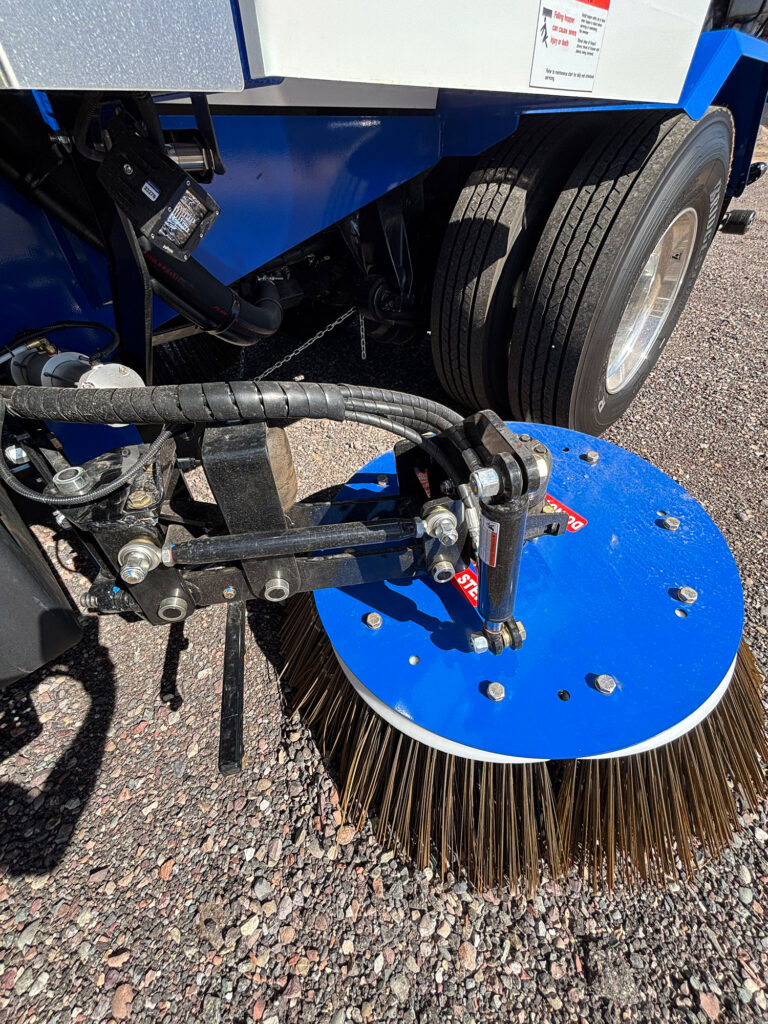
Airport operators do not get much margin for error. A single bolt, chunk of rubber, stone, or striping fragment can become a foreign object debris problem fast, which is why airport runway sweeping requirements are built around speed, consistency, and documented housekeeping. For Texas airports, that matters even more because heat, high traffic, construction activity, and frequent maintenance windows can all increase debris risk.
The practical takeaway is simple: runway sweeping is not just about keeping pavement looking clean. It is part of a larger foreign object debris program that supports safer operations, faster reopenings, and fewer interruptions during airfield maintenance. FAA runway safety materials emphasize runway safety collaboration and prompt debris removal, and airport self-inspection guidance calls for checking work areas and removing hazardous debris before reopening pavement. (faa.gov)
For Texas public works teams, airport contractors, and private sweeping companies, the right equipment also matters. Heavy-duty mechanical sweepers are often a better fit than light-duty cleanup tools when you need long sweep times, reliable debris pickup, and less time dumping. That is where a purpose-built machine like the XBroom Street Sweeper can help support airfield cleanup, construction sweep, and pavement maintenance workflows.
What Airport Runway Sweeping Requirements Usually Cover
Airport runway sweeping requirements generally focus on keeping runway, taxiway, apron, and adjacent maintenance areas free of foreign object debris. In practice, that means removing loose aggregate, trash, metal fragments, rubber buildup, and debris tracked in by construction vehicles or maintenance crews. FAA guidance also stresses that debris should be removed promptly and that airport operations must be protected during work activity. (faa.gov)
For operators in Texas, this can include:
- Pre-opening runway checks
- Post-construction cleanup after milling or resurfacing
- Sweeping around aprons, shoulders, and access roads
- Removing debris after storms, wind events, or equipment staging
- Rubber and surface contamination cleanup where needed
Why Texas Airports Need a Stronger Sweeping Plan
Texas airports deal with a wide range of conditions. Some facilities see constant airline traffic, while others support regional aviation, general aviation, cargo, military operations, or temporary construction traffic. Add in dust, summer heat, chip seal work, and asphalt milling projects, and debris control becomes a daily operational issue rather than an occasional task.
That is why many airport maintenance teams look for a machine that can handle more than one job. A sweeper used on the airfield may also be called to clean perimeter roads, service areas, or nearby construction zones. If you want a broader look at equipment options, see XBroom street sweeper products and Why Choose XBroom.
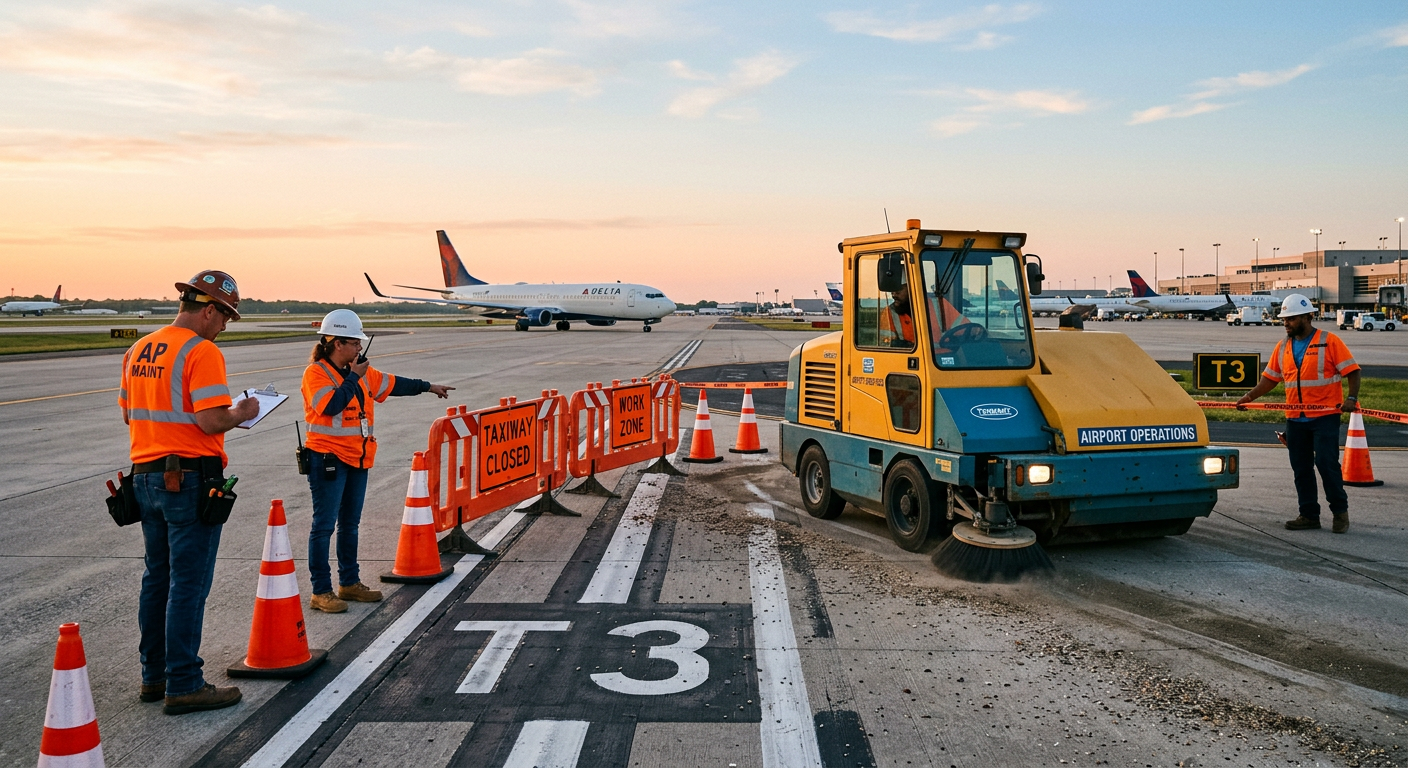
How Sweeping Supports Airfield Safety and Compliance
The biggest reason sweeping matters is FOD prevention. Foreign object debris can damage aircraft tires, engines, and sensitive systems, and airport operations teams are expected to reduce that risk through inspection and removal routines. FAA runway safety resources describe runway safety as a shared responsibility across the airport and aviation community. (faa.gov)
A strong sweeping program helps with:
Faster return-to-service after maintenance
After milling, sealcoating, seal repairs, or striping work, loose material can delay reopening. Sweeping helps restore safe conditions sooner.
Cleaner inspection results
When crews can visually confirm a clean surface, inspections become more reliable and faster.
Lower risk of operational delays
Loose debris can trigger additional checks, temporary closures, or maintenance rework. Sweeping reduces those disruptions.
Equipment Considerations for Runway and Taxiway Work
Not every sweeper is built for airfield duty. Airport runway sweeping requirements often favor equipment that can maintain consistent broom pressure, manage debris efficiently, and stay productive through long shifts. Mechanical broom sweepers are especially useful when the job involves heavier material, construction residue, or repetitive cleanup across large paved areas.
For buyers in Texas, that means looking closely at:
- Hopper capacity and dump frequency
- Sweep time between stops
- Ease of operation for day and night crews
- Durability in hot, dusty, high-use conditions
- Maintenance requirements and uptime
XBroom is designed for exactly that kind of work. The company describes its sweeper as rugged, high-production, and built for longer sweep time and reduced downtime, which makes it a practical fit for airport support work, municipal maintenance, and road construction cleanup. (xbroom.com)
Texas Use Cases Beyond the Runway
Airports rarely stay isolated from surrounding infrastructure work. In Texas, the same sweeping fleet may also support:
- Asphalt milling cleanup on access roads
- Chip seal pickup along taxiway approaches
- Terminal loop and parking area sweeping
- Contractor cleanup after concrete or pavement repairs
- Municipal road maintenance near airport corridors
That crossover matters because the best airport fleet is often the one that can stay productive between assignments. If you are evaluating a build, the Build a Truck page is a useful place to start planning a chassis and sweeper configuration that matches your operating profile.
Choosing a Sweeper for Airport Runway Sweeping Requirements
Here is the thing, airport work rewards consistency more than flashy specs. The right machine should help your crew sweep more pavement, spend less time dumping, and keep the runway environment ready for operations.
A good fit will typically offer:
- Strong pickup on fine and coarse debris
- Long sweep intervals before dump cycles
- Reliable hydraulic and control systems
- Simple operation for rotating crews
- Maintenance access that minimizes downtime
That is where manufacturer support matters. With XBroom, you are dealing directly with a street sweeper manufacturer focused on heavy-duty mechanical broom applications, not a general equipment reseller. For procurement teams, that can simplify conversations about performance, support, and application fit.
FAQ
How often should an airport runway be swept?
It depends on traffic, construction activity, wind, and local operating procedures. Many airports sweep as part of daily inspections, then add more frequent cleanup during maintenance projects or after debris-generating events.
What types of debris are most important to remove?
Loose aggregate, metal fragments, pavement chips, rubber buildup, trash, and anything that could become foreign object debris are the top priorities.
Can a mechanical broom sweeper handle airfield cleanup?
Yes, especially when the work includes heavier debris, construction residue, or large paved areas. Mechanical broom sweepers are often a strong fit for runway support and adjacent pavement cleaning.
Do airport sweeping requirements apply only to runways?
No. Taxiways, aprons, shoulders, service roads, and construction staging areas can all create debris risk and may need sweeping as part of the airport’s housekeeping plan.
Why do Texas airports need more frequent sweeping during construction?
Milling, paving, and striping projects create loose material that can spread quickly with wind and vehicle traffic. Frequent sweeping helps keep the pavement safe and ready for operations.
What should procurement teams look for in airport sweeping equipment?
They should focus on uptime, sweep quality, hopper capacity, durability, serviceability, and whether the machine can support both airport and municipal or contractor workloads.
Request a Sweeper Built for Demanding Airfield Work
If your Texas operation needs a sweeper that can handle runway support, taxiway cleanup, and pavement maintenance with less downtime, it is worth speaking with the manufacturer directly. Explore XBroom Street Sweeper, review Why Choose XBroom, or reach out through Contact Nescon to request pricing, schedule a demo, or discuss your airport sweeping requirements.
Conclusion
Airport sweeping is not optional housekeeping, it is a core part of runway safety and FOD prevention. For Texas airports, that means building a sweeping program that can keep up with traffic, weather, and maintenance activity while supporting fast, reliable reopenings.
The best equipment is the one that helps your team sweep more pavement, dump less often, and stay productive under pressure. That is why airport operators, contractors, and municipal buyers should look for a heavy-duty sweeper designed for real work, not light cleanup.
About XBroom by Nescon
XBroom by Nescon is a U.S.-based street sweeper manufacturer specializing in heavy-duty mechanical street sweepers designed for high-production sweeping applications. XBroom sweepers are built to support asphalt milling, road construction, municipal street maintenance, and industrial sweeping operations.
Engineered for durability, large hopper capacity, long sweep times, and reduced downtime, XBroom street sweepers help contractors and municipalities maximize productivity while minimizing maintenance and dump frequency.
Ready to Upgrade Your Street Sweeper?
Call 480-505-0001 or Contact Nescon to request pricing, schedule a demo, or learn more about XBroom street sweeping solutions.