
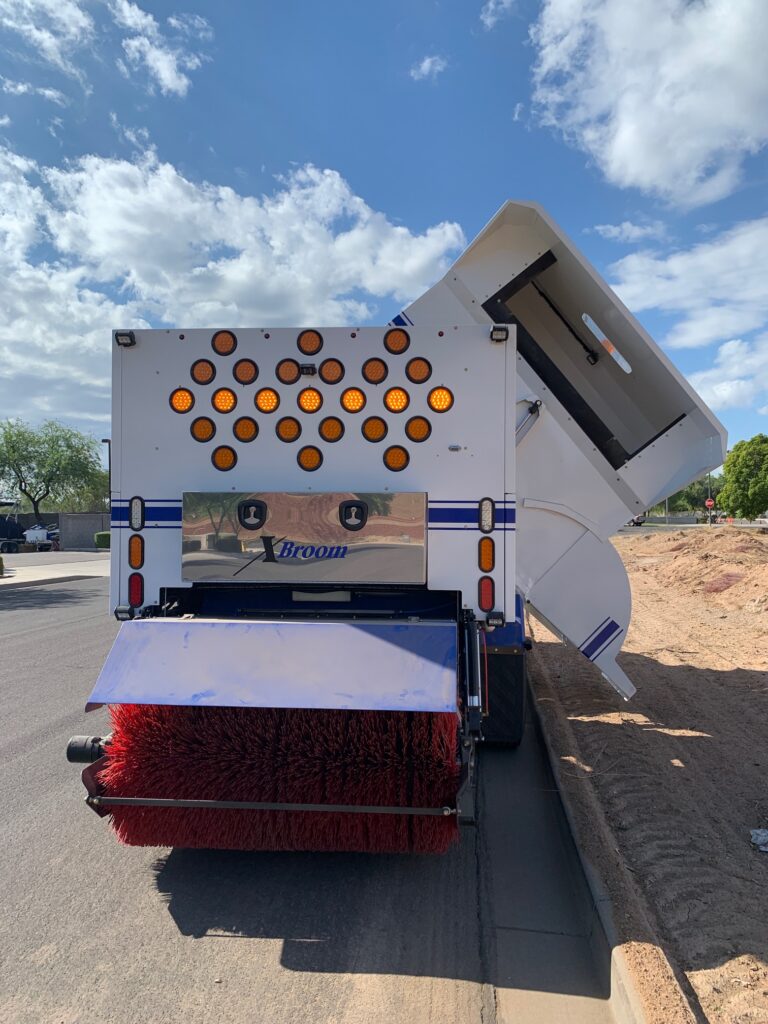
Long sweep times are a top priority for Nevada DOT contractors, municipal crews, and heavy civil contractors who need to keep projects moving while minimizing downtime. If you manage fleets for asphalt milling, chip seal, or airport apron maintenance, increasing continuous runtime without increasing maintenance or dump stops saves time and reduces cost.
Here you will find practical, state-focused guidance to extend on-road sweep durations, lower dump frequency, and maximize daily production with mechanical broom sweepers. In the opening below, note how street sweeper long sweep time improvements deliver measurable productivity gains in Nevada climates and jobsite conditions.

Why long sweep time matters in Nevada operations
Nevada projects often combine long stretches of highway work, desert conditions, and remote job locations where frequent dumps and service stops cost hours. Long sweep time translates into:
- Fewer hopper dumps per shift, increasing effective sweeping hours.
- Lower labor and truck support costs when crews run longer routes continuously.
- Higher throughput during asphalt milling, chip seal prep, and post-construction cleanup.
Here is the thing, long sweep time is not only about hopper size. It is a systems solution: machine design, brush selection, hopper management, operator technique, and on-site logistics together determine runtime.
Key machine features that extend runtime
Large-capacity hopper and optimized geometry
A bigger, well-shaped hopper reduces bridging and compaction, letting you collect more material per cycle. Hopper geometry that encourages even debris flow means fewer manual interventions.
Durable mechanical broom systems and brush configurations
Choose heavy-duty broom heads and staggered brush patterns that resist wear from asphalt millings and aggressive debris common on Nevada roads. Proper broom stiffness and diameter preserve sweeping efficiency over longer intervals.
Efficient dust control and water systems
Effective dust suppression keeps material bound and prevents airborne losses that fill filters and reduce hopper capacity. Water system reliability matters in hot Nevada conditions to maintain consistent performance.
Low-maintenance drivetrains and easy service access
Machines engineered for quick filter changes, easy grease points, and modular components reduce unplanned stops. Long sweep time is only useful if uptime is high.
Operational practices to increase continuous sweep time
Plan routes to minimize dump points
Design routes that maximize distance between dump locations while staying within crew and regulatory limits. For Nevada rural and highway jobs, aim to tie sweeping runs to shift patterns to avoid mid-shift hauling.
Train operators in load management
Teach operators how to modulate broom speed, hopper engagement, and brush pressure to avoid early hopper fills. Small adjustments can double time between dumps on high-volume jobs.
Use spotters and mobile logistics smartly
Pair sweepers with a scheduled dump truck or mobile wash when working on long remote sections. This keeps the sweeper running while support handles disposal.
Monitor telematics and fill-rate data
Collect real-time data on hopper fill rates, broom hours, and material types. Use that information to adapt route length and brush selection for specific Nevada job conditions.
Equipment selection checklist for Nevada buyers
- Hopper capacity and geometry designed for heavy millings.
- Mechanical broom durability rated for abrasive debris.
- Robust water/dust suppression systems sized for desert heat.
- Simplified service points and modular replacement parts.
- Proven telematics for fill-rate and runtime monitoring.
When evaluating options, compare total sweep hours per shift rather than advertised cycle times. Focus on uptime, filter longevity, and operator ergonomics as much as hopper size.
Real-world example: milling cleanup on a Nevada highway
A DOT contractor in northern Nevada reduced dump frequency by 40 percent after switching to a heavy-duty mechanical broom with a larger hopper and optimized broom stiffness. They paired machines with scheduled hauling and retrained operators on brush modulation. The result, more continuous sweep hours and fewer truck cycles, translated directly to lower operating cost per mile.
Frequently Asked Questions
How much longer can I expect sweep time to be with the right machine and practices?
With the right sweeper spec, route planning, and operator training, many Nevada contractors report 25 to 50 percent longer continuous sweep durations compared to older, small-hopper machines.
Does hopper capacity or broom type make the bigger difference?
Both matter. Hopper capacity reduces dump frequency, but broom type and debris handling determine how efficiently the hopper fills. Choose equipment balanced for the material you sweep.
Will longer sweep times increase maintenance burden?
Not if you select low-maintenance drivetrains, accessible service points, and robust filter systems. The goal is more sweep hours with predictable, scheduled maintenance.
How do I handle high-volume asphalt millings without frequent clogs?
Use a sweeper with aggressive broom design, proper hopper geometry, and active vibration or agitation systems if available, plus operator techniques that keep material flowing into the hopper.
Is telematics necessary for optimizing sweep time?
Telematics is one of the fastest ways to identify fill rates and problem areas. It lets you tweak routes and schedules to reduce dumps and improve runtime.
What role does water/dust control play in long runtime?
Effective dust suppression lowers airborne fines that can cake into filters and hopper corners. That maintains collection efficiency and reduces downtime.
Can XBroom sweepers handle Nevada’s extreme temperatures?
XBroom machines are engineered for demanding conditions, with reliable cooling and robust components suited for hot climates and abrasive debris.
Request pricing, demos, and technical quotes in Nevada
If you manage Nevada road projects and need high-production sweepers built for long sweep times, XBroom offers field-proven solutions tailored to asphalt milling, chip seal prep, and municipal maintenance. Learn more about specific models and build options at XBroom street sweeper products or explore our flagship unit at XBroom Street Sweeper.
For custom builds and specs, use the build configurator at Build a Truck to specify hopper, broom, and dust control options. To understand why fleets choose XBroom, read Why Choose XBroom. Ready to talk? Phone: 480-505-0001 or Contact Nescon for a demo or quote.
Conclusion
Long sweep time is a measurable advantage for Nevada contractors and municipal fleets. By combining the right mechanical broom design, hopper capacity, dust control, and on-the-ground practices, you can increase continuous runtime, reduce dump frequency, and cut operating costs per mile. Focus on uptime and serviceability when evaluating sweepers, and use data to drive route and operator decisions.
About XBroom by Nescon
XBroom by Nescon is a U.S.-based street sweeper manufacturer specializing in heavy-duty mechanical street sweepers designed for high-production sweeping applications. XBroom sweepers are built to support asphalt milling, road construction, municipal street maintenance, and industrial sweeping operations.
Engineered for durability, large hopper capacity, long sweep times, and reduced downtime, XBroom street sweepers help contractors and municipalities maximize productivity while minimizing maintenance and dump frequency.
Ready to Upgrade Your Street Sweeper?
Call 480-505-0001 or Contact Nescon to request pricing, schedule a demo, or learn more about XBroom street sweeping solutions.