
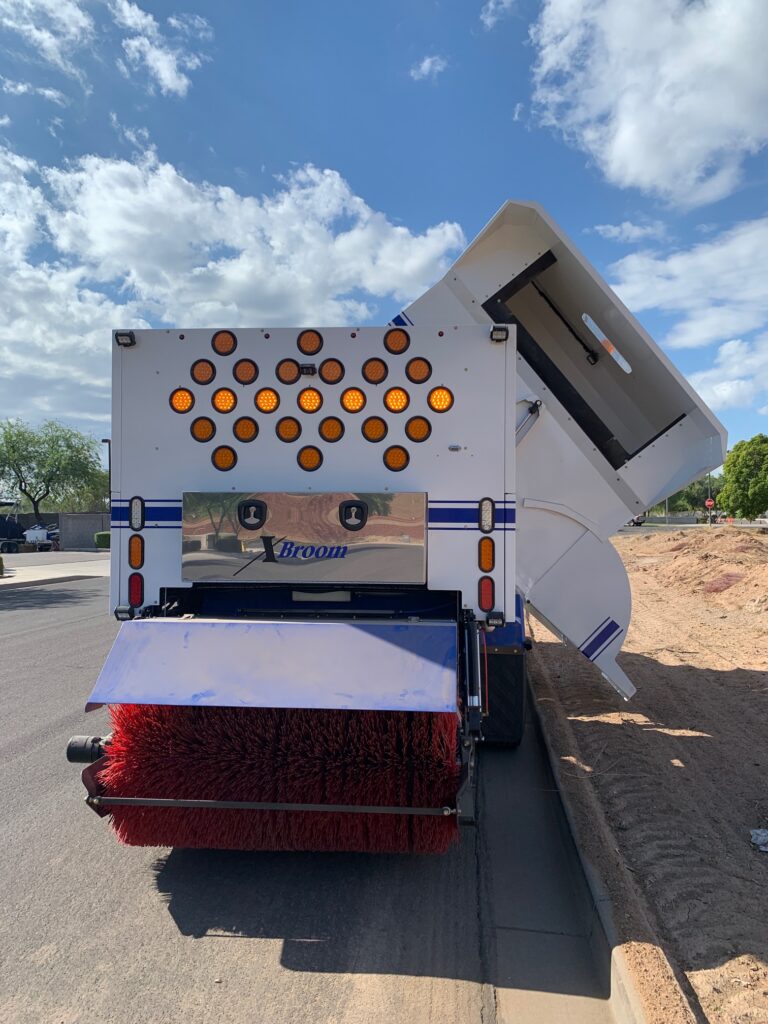
A short sweeping window can quietly drain the profit from an otherwise well-run paving or maintenance operation. When a crew pauses for frequent hopper dumps, waits on service work, or makes cleanup passes that should have been handled the first time, the schedule pressure lands on the superintendent.
For Florida roadwork teams, a long sweep time street sweeper for DOT contractors Florida is less about a headline specification and more about keeping the broom on the pavement while the lane closure, paving sequence, and personnel are already in place. We look at the operating factors that matter when your work includes asphalt milling cleanup, shoulder sweeping, chip seal recovery, municipal maintenance, airport support, and state-road contracts.
What Long Sweep Time Means on Florida DOT Work
| Decision factor | What it affects | What to evaluate |
|---|---|---|
| Hopper capacity | Dump frequency | Net usable debris volume |
| Broom durability | Uptime on abrasive material | Wear components and access |
| Daily service access | Shift readiness | Grease points and inspection access |
| Dust-control system | Visibility and compliance | Water spray operation |
| Machine simplicity | Operator consistency | Controls and maintenance routine |
Long sweep time means the machine can stay productive for a meaningful portion of the shift before a dump, service interruption, or debris-related slowdown is required. It is not simply a large hopper number. It is the combined result of usable hopper volume, debris density, broom pickup performance, fuel and water planning, reliable hydraulics, and how quickly operators can complete inspections.
For Florida DOT contractors, that distinction matters because the material is rarely uniform. Milling debris, loose aggregate, sand, leaf litter, shoulder sediment, and storm-related material all load a hopper differently. A machine that performs well on dry, light debris can have a very different operating cycle when it is following a milling crew on a humid Florida night.
Why Fewer Dumps Protect Production
A dump stop can involve more than travel time. The operator must leave the work area safely, reach an approved disposal location, empty the hopper, return to the route, and re-enter the traffic-control plan. On a high-production job, those minutes can create a gap between the cleanup crew and the paving operation.
Florida Department of Transportation sweeping specifications show how closely production and documentation can be connected. Under the referenced FDOT mechanized sweeping specification, accepted work is measured to the nearest one-hundredth of a mile, and contractors report cubic yards collected for each sweeping cycle. That makes practical production discipline important, not optional. Review the requirements in the FDOT mechanized sweeping specification, then confirm the exact provisions governing your individual contract.
Match the Sweeper to the Florida Debris Stream
Asphalt Milling Cleanup
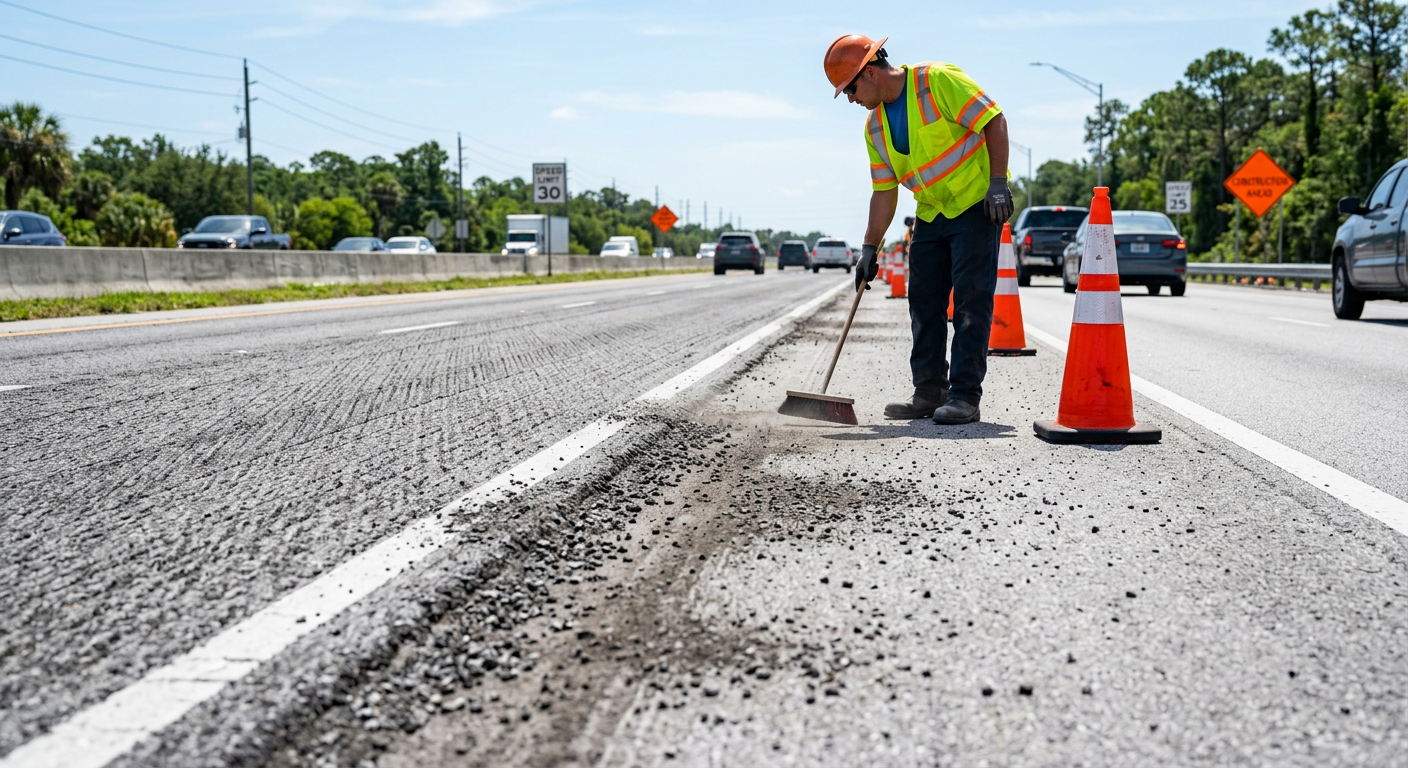
Milling cleanup is where a mechanical broom sweeper earns its place. The debris is abrasive, heavy, and often spread across long linear sections that demand consistent pickup without constant interruption. We recommend focusing on broom construction, conveyor durability, hopper capacity, and service points that crews can reach without lengthy disassembly.
The goal is not merely to make the road look clean. It is to remove loose millings that can interfere with tack application, paving quality, striping, traffic movement, and overall jobsite safety. A high-capacity mechanical sweeper supports a steadier handoff between milling, sweeping, and paving operations.
Road Shoulders, Curbs, and Drainage Areas
Florida shoulders and urban curb lines often accumulate sandy material, aggregate, and vegetative debris. These routes may not fill a hopper as quickly as a milling project, but they can expose weaknesses in pickup consistency and operator visibility.
FDOT maintenance guidance identifies roadway-sweeping conditions that fail desired standards, including travel-way buildup greater than three-quarters of an inch deep for more than one continuous foot. The FDOT Maintenance Rating Program Handbook provides useful context for the level of roadway cleanliness agencies evaluate.
Storm Season and Coastal Conditions
Florida contractors also plan for weather-driven cleanup. Heavy rain can move sand, leaves, and debris into gutters, intersections, shoulders, and work zones quickly. Coastal air and wet conditions increase the value of disciplined washdown, corrosion prevention, and prompt inspection of wear areas.
Long sweep time still matters in these conditions, but it should never be confused with ignoring daily care. The best uptime strategy is a rugged sweeper paired with a repeatable maintenance routine that catches broom wear, conveyor concerns, hydraulic leaks, and water-system issues before the next shift.
Mechanical Broom Sweepers Versus Other Sweeping Approaches
A heavy-duty mechanical broom sweeper is often the practical choice for coarse, abrasive construction debris because its pickup system is designed around robust broom and conveyor action. That makes it well suited to milling debris, aggregate, chip seal residue, and demanding road-construction cleanup.
Regenerative-air and vacuum-style sweepers can be a strong fit for fine-particle collection, detailed municipal routes, and applications where dust pickup is the primary goal. However, DOT contractors should compare the full operating picture, including debris type, filter or airflow-system maintenance, water use, payload, route length, service support, and downtime risk.
Here is the thing, there is no single best technology for every contract. A contractor cleaning heavy millings after a road plane operation has a different need than a city crew collecting light curb-line debris. The right choice is the machine that maintains acceptable cleanup quality while fitting the material, route, crew, and disposal plan.
Specifying a Long Sweep Time Street Sweeper for Florida DOT Contractors
Start With the Real Route, Not the Brochure
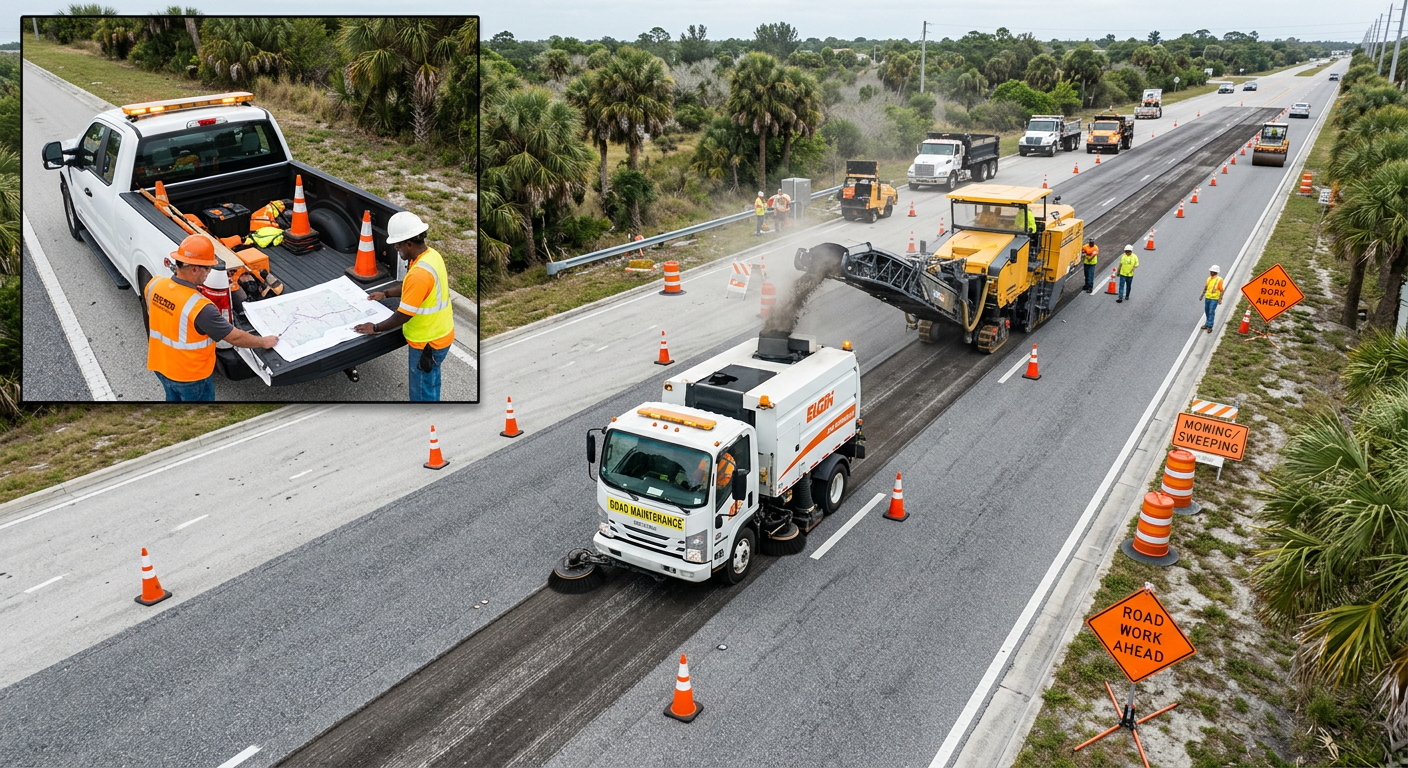
Before requesting pricing, map the job as it is actually performed. Estimate lane miles per shift, average debris type, available disposal points, fuel and water access, expected passes, traffic-control limits, and whether the sweeper must move between projects.
Then ask a direct question: how many productive sweeping hours can we expect before the next required dump under our typical debris conditions? A manufacturer should help you discuss the answer in terms of your operation, not vague claims that overlook material density and route logistics.
Prioritize Net Hopper Capacity
Gross hopper size alone does not tell the whole story. You need usable capacity that holds dense material efficiently, supports safe unloading, and reduces unnecessary trips away from the work zone.
This is especially important when crews are sweeping millings or heavy aggregate. A hopper that looks adequate on paper may not produce the desired sweep duration if the machine is poorly matched to dense, abrasive material or if debris bridges inside the body.
Require Accessible Maintenance Points
Downtime often starts with small daily tasks that are inconvenient enough to be delayed. Accessible grease points, clear inspection areas, durable wear parts, and straightforward adjustments help operators complete routine checks before a minor problem becomes a missed shift.
For a closer look at purchase priorities, review what contractors look for in a heavy-duty street sweeper. Florida fleet managers should also consider how humidity, rain, salt exposure, and abrasive debris affect their preventive-maintenance plan.
Verify Dust-Control Readiness
FDOT's referenced sweeping requirements state that operations must not create excessive airborne dust, and a functioning industry-standard water spray system satisfies that dust-control requirement. Confirm that your water system is appropriate for the work, easy to inspect, and supported by a clear operator routine.
Dust control protects more than compliance. It supports visibility for the operator and surrounding traffic, keeps the work zone more manageable, and helps crews maintain a clean, professional operation in populated Florida corridors.
Questions to Ask Before You Buy or Bid
How Often Will We Need To Dump During a Typical Shift?
Ask for an operational discussion based on your debris stream and route length. Dense millings, wet debris, and long travel distances to disposal sites can reduce effective sweep time even when the machine has a large hopper.
Can the Machine Handle Milling Debris Without Excessive Wear?
Ask about broom systems, conveyors, hopper construction, wear surfaces, and the maintenance schedule for abrasive material. You want a mechanical street sweeper designed for sustained roadwork, not light-duty cleanup.
How Quickly Can Our Operators Complete Daily Checks?
A good daily inspection should be clear, repeatable, and practical under jobsite conditions. Request a walkaround demonstration and have the people who will operate and service the machine evaluate access for themselves.
What Support Is Available When a Part Is Needed?
Parts availability and technical support affect real uptime as much as machine design. Confirm the support process, expected communication path, and the parts most commonly kept on hand for your operation.
Is the Sweeper Right for Both DOT Contracts and Municipal Work?
It can be, provided the applications share a need for durable, high-production mechanical sweeping. Review your mix of highway shoulders, millings cleanup, urban curbs, industrial sites, and airport-adjacent work before standardizing a fleet.
Build a More Productive Florida Sweeping Fleet
We build XBroom by Nescon mechanical sweepers for the work that slows down ordinary equipment, including asphalt milling, road construction, municipal maintenance, and industrial cleanup. If long operating cycles, a large net hopper, and serviceable heavy-duty construction matter to your Florida operation, explore XBroom street sweeper products and review the XBroom Street Sweeper for high-production applications.
For a configuration discussion based on your truck, job mix, and production goals, use Build a Truck or Contact Nescon. You can also call Phone: 480-505-0001 to request pricing, arrange a demonstration, or discuss the right sweeping setup for Florida DOT work.
The Bottom Line for Florida Contractors
A long sweep time street sweeper helps protect production because it keeps the cleanup operation working where it matters, on the road rather than traveling to dump or sitting in the shop. But capacity alone is not the answer. The strongest purchasing decision considers hopper usability, broom durability, dust control, maintenance access, support, and the material your crews handle every day.
For Florida DOT contractors, the right mechanical broom sweeper can create a more consistent cleanup pace across milling projects, shoulders, municipal routes, and demanding maintenance contracts. Start with the real conditions of your route, measure where time is lost, and specify equipment that keeps your crew productive through the full shift.
About XBroom by Nescon
XBroom by Nescon is a U.S.-based street sweeper manufacturer specializing in heavy-duty mechanical street sweepers designed for high-production sweeping applications. XBroom sweepers are built to support asphalt milling, road construction, municipal street maintenance, and industrial sweeping operations.
Engineered for durability, large hopper capacity, long sweep times, and reduced downtime, XBroom street sweepers help contractors and municipalities maximize productivity while minimizing maintenance and dump frequency.
Ready to Upgrade Your Street Sweeper?
Call 480-505-0001 or Contact Nescon to request pricing, schedule a demo, or learn more about XBroom street sweeping solutions.