
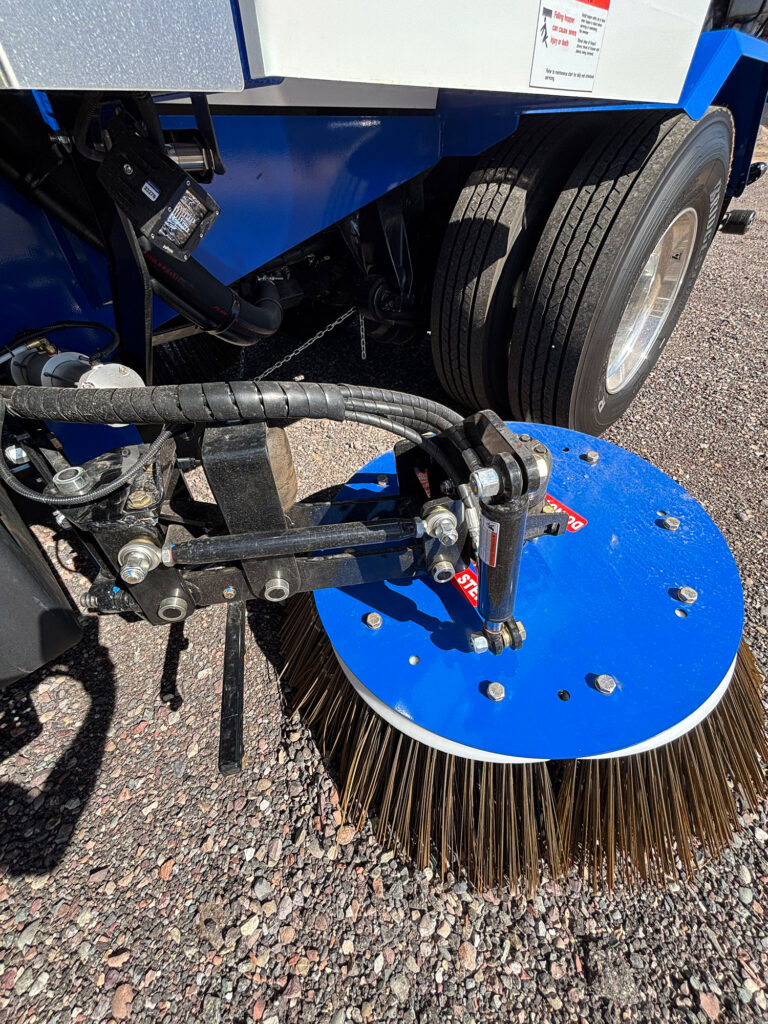
Commercial airports do not have time for sweepers that struggle with high volumes of rubber, FOD, dust, and loose aggregate. A runway cleanup program has to support safety, uptime, and consistent surface conditions, especially in busy Florida operations where heat, humidity, and storm debris can add to the workload.
That is why runway sweeper requirements for commercial airports need to be evaluated as an operations decision, not just an equipment purchase. The right machine must keep pace with maintenance windows, minimize interruptions, and help crews clear debris fast enough to protect aircraft operations.
What Commercial Airports Need From a Runway Sweeper
A commercial airport sweeper has to do more than move light debris. It must handle rubber build-up near touchdown zones, jet blast debris, construction residue, and seasonal material tracked across taxiways and aprons.
For airport operators in Florida, the biggest priorities are predictable performance, fast cleanup cycles, and equipment that can work long shifts without constant maintenance. That is the same reason many fleet managers compare sweepers based on uptime, hopper volume, and serviceability first.
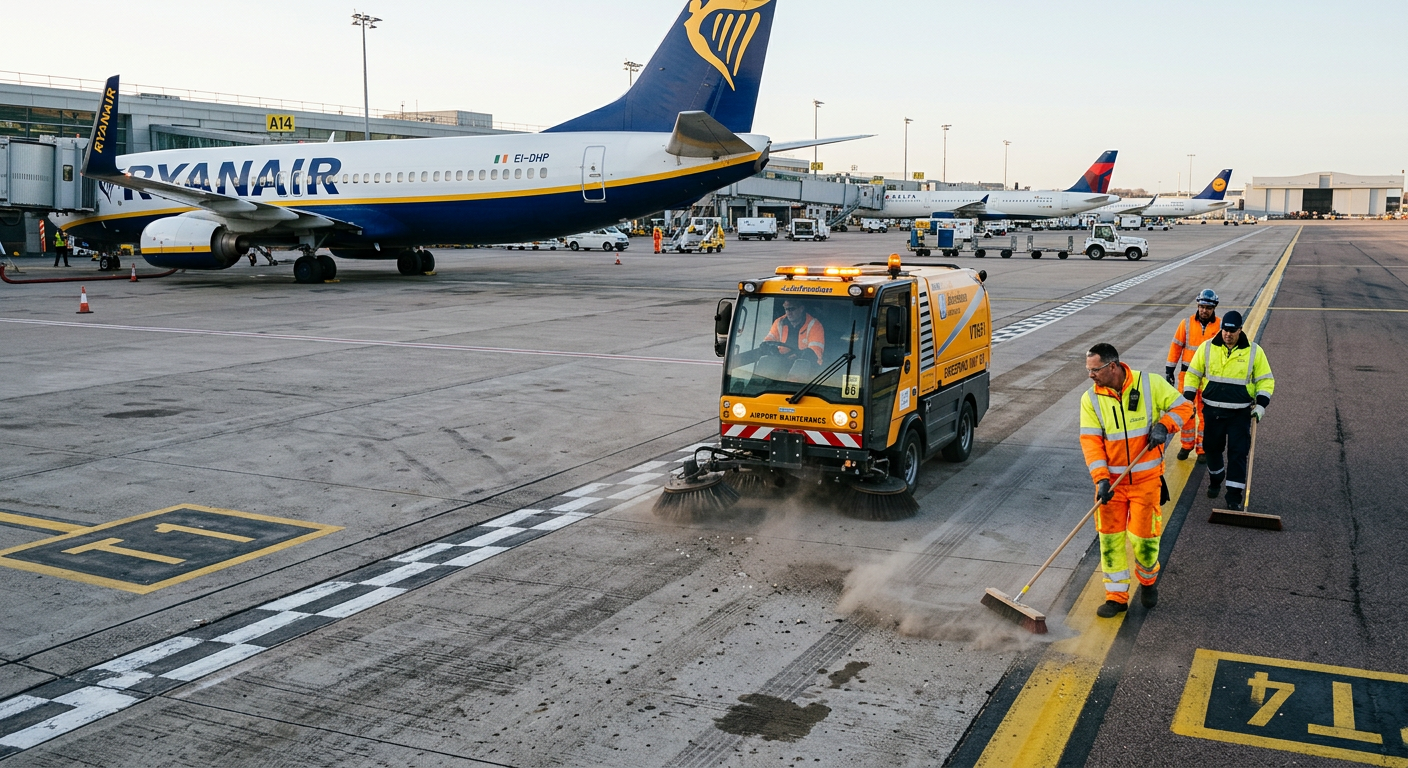
Debris control and FOD prevention
Foreign object debris control is the core mission. A runway sweeper should remove fasteners, aggregate, rubber chunks, sand, and fine dust before those materials reach aircraft engines or tires.
Airport teams also need reliable pickup along shoulders, intersections, and runway edges, where debris naturally collects after wind events, construction work, or heavy traffic.
Long sweep time and reduced dump frequency
At a commercial airport, stopping to dump too often kills productivity. A high-capacity sweeper lets crews stay on task longer, which matters when runway access is tightly scheduled.
XBroom’s product approach emphasizes long sweep time, large hopper capacity, and rugged construction, which is the kind of design logic airport maintenance leaders should look for when evaluating runway support equipment. You can review the XBroom street sweeper products and compare configurations for demanding work.
Runway Sweeper Requirements for Commercial Airports in Florida
Florida airports face a mix of challenges, from coastal sand to afternoon storms and heat that can stress equipment. A runway sweeper for this environment should be built for durability and easy operation, not constant adjustment.
1. High-capacity debris collection
A commercial airport sweeper should carry enough material to support long cleaning intervals. That reduces dump cycles, limits dead time, and keeps the machine available during short maintenance windows.
2. Efficient mechanical broom performance
Mechanical broom systems are valued because they can move heavier debris and sweep broad surface areas efficiently. For runway and taxiway work, the key is consistent ground contact, stable pickup, and dependable operation over long shifts.
3. Easy maintenance access
Airport operations teams need service points that are simple to reach. Faster inspections and easier maintenance help reduce downtime and keep the fleet ready for the next shift.
4. Operator-focused controls
Runway sweeping often happens in complex traffic environments. Controls should be intuitive so the operator can stay focused on visibility, coordination, and safety around active airside areas.
5. Rugged build quality
Airport surfaces can be unforgiving. A machine built for road construction cleanup and municipal sweeping often translates well to runway support because both applications demand durability, hydraulic reliability, and consistent debris handling.
To see a machine built around that operating philosophy, review the XBroom Street Sweeper and the company background on Why Choose XBroom.
Why Airport Fleets Compare Sweepers Like Jobsite Equipment
Airport buyers are often surprised by how similar runway sweeping is to heavy civil cleanup. The machine is judged on how much it can move, how long it can run, and how quickly it can return to work after service.
That is why many procurement teams compare airport-ready sweepers against the same standards used for asphalt milling cleanup, chip seal support, and municipal street maintenance. If the machine cannot keep pace with production, the airport pays for it in delay risk and labor inefficiency.
Common evaluation criteria
- Hopper capacity and dump frequency
- Sweep time per fill cycle
- Maintenance access and wear parts
- Control simplicity for operators
- Durability under daily heavy-use conditions
- Fit with fleet standards and chassis preferences
If your airport maintenance program is planning a fleet upgrade, the Build a Truck option can help align the sweeper package with your operational requirements.
Florida Airport Use Cases
Florida commercial airports often need sweeping support for more than just the main runway. Crews may be cleaning taxiways, aprons, access roads, staging lanes, and construction zones at the same time.
Seasonal storm cleanup
After wind and rain, airports can see sand, leaves, branches, and general debris spread across hard surfaces. A reliable sweeper helps maintenance teams restore safe conditions quickly.
Construction and paving support
During airfield construction or rehabilitation, sweeping is critical before, during, and after work. Debris control supports surface prep, improves worksite housekeeping, and helps maintain operational safety.
Routine runway and taxiway maintenance
Even when there is no major project underway, runways accumulate dust and debris. Regular sweeping helps reduce surface contamination and supports cleaner operating conditions for airport vehicles and aircraft.
FAQ
What makes a runway sweeper different from a city street sweeper?
A runway sweeper must support airside safety, FOD control, and tight operational windows. It needs to clear debris quickly and reliably without disrupting airport traffic.
Why does hopper capacity matter at commercial airports?
Larger hopper capacity means fewer dump trips, which improves productivity and keeps crews sweeping longer during limited maintenance windows.
Can a mechanical broom sweeper work for airport applications?
Yes, especially when the machine is built for heavy-duty cleanup and long sweep cycles. Mechanical broom sweepers are effective for debris-heavy environments like airfields and construction zones.
What airport areas need sweeping the most?
Runways, taxiways, aprons, shoulders, and construction access lanes are the most common priority zones.
How should Florida airports think about sweepers?
They should prioritize durability, long run time, easy maintenance, and strong pickup performance in sand, dust, and post-storm debris conditions.
Who should evaluate runway sweeper specs?
Fleet managers, airport operations leaders, maintenance superintendents, and procurement officers should review the machine together so it fits both safety and budget goals.
Request Airport Sweeper Pricing and Support
If your team is evaluating runway sweeper requirements for commercial airports in Florida, focus on production, uptime, and serviceability first. The right machine should help you sweep more, dump less, and keep airside operations moving.
For pricing, configuration help, or a demo request, call Phone: 480-505-0001 or Contact Nescon. You can also review XBroom street sweeper products to compare options built for demanding sweeping environments.
Conclusion
Commercial airports need a sweeper strategy that supports FOD prevention, fast response, and dependable long-shift performance. In Florida, that means choosing equipment that can handle heat, storms, and constant debris without becoming a maintenance burden.
When runway cleanup is treated as a production job, the equipment choice becomes clearer. The best solution is the one that delivers long sweep time, reduced downtime, and consistent results in every maintenance window.
About XBroom by Nescon
XBroom by Nescon is a U.S.-based street sweeper manufacturer specializing in heavy-duty mechanical street sweepers designed for high-production sweeping applications. XBroom sweepers are built to support asphalt milling, road construction, municipal street maintenance, and industrial sweeping operations.
Engineered for durability, large hopper capacity, long sweep times, and reduced downtime, XBroom street sweepers help contractors and municipalities maximize productivity while minimizing maintenance and dump frequency.
Ready to Upgrade Your Street Sweeper?
Call 480-505-0001 or Contact Nescon to request pricing, schedule a demo, or learn more about XBroom street sweeping solutions.