

Florida fleet managers rarely lose productivity because a sweeper looked good on a specification sheet. They lose it when the machine cannot keep pace with milling debris, reaches hopper capacity too soon, needs frequent shop attention, or creates a gap in a tightly managed lane-closure schedule.
A disciplined street sweeper procurement Florida process starts with the actual work, not a generic equipment category. Contractors, public works departments, airport teams, and private sweeping companies need to define debris type, production targets, dump logistics, operator requirements, and service capacity before evaluating a mechanical broom sweeper.
Florida’s transportation workload makes production-focused procurement especially important. In its Fiscal Year 2023-2024 Performance and Production Review, the Florida Transportation Commission reported that FDOT let 2,426.8 lane miles of State Highway System roadway for resurfacing. That scale reinforces why fleets need reliable sweeping capacity for paving support, asphalt milling cleanup, roadway maintenance, and final cleanup work. FDOT Performance and Production Review
Start With the Florida Work Cycle
The strongest purchase decisions come from documenting how crews use the sweeper over a full shift. A procurement team should separate routine municipal curb sweeping from heavy civil production work. Both require dependable collection and dust control, but their duty cycles, debris loads, travel patterns, and cost of downtime are different.
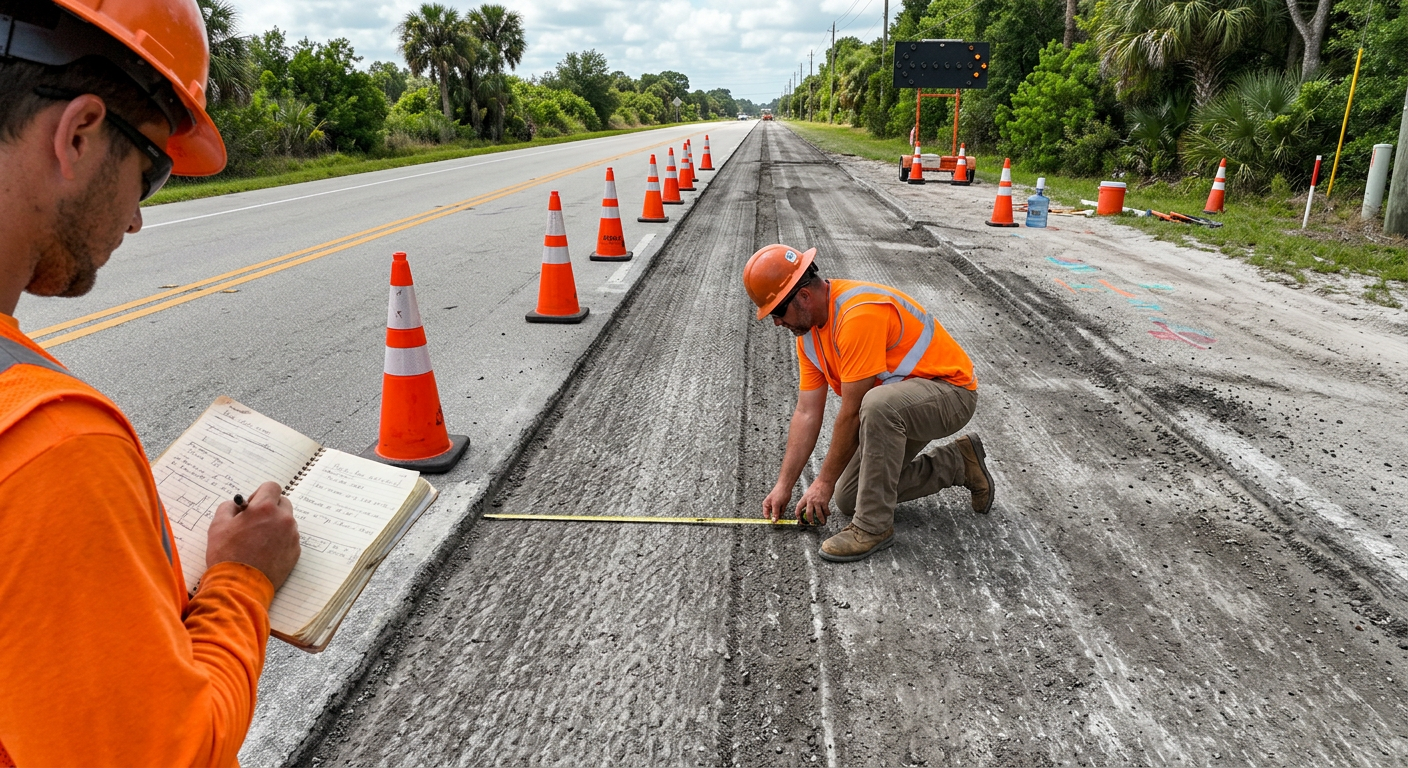
Florida roadwork crews commonly face damp aggregate, dense asphalt millings, sand, vegetative material after storms, and fine debris near active traffic. Mechanical broom sweepers are well suited to high-volume material recovery when the job calls for rugged broom action, consistent material transfer, and a hopper sized to reduce interruptions.
Match the Machine to the Debris
Write the specification around the heaviest normal material, not the easiest route on the schedule. Milling cleanup, chip seal support, roadway shoulder work, industrial access roads, and airport pavement maintenance can all impose different loads on brooms, dirt shoes, elevators, hydraulic systems, and hoppers.
Ask operations staff to record these field conditions for at least several representative jobs:
- Average and peak debris volume per shift
- Material mix, including millings, aggregate, sand, leaves, and wet debris
- Expected sweeping width and curb-line coverage
- Distance and availability of approved dump locations
- Lane-closure duration and maximum productive sweep window
- Water availability and dust-control requirements
- Daily road travel between jobs and fleet yard access
FDOT’s maintenance specifications identify road and bridge sweeping as a formal maintenance activity. Its requirements also address dust control and prohibit leaving collected debris on the right-of-way, which makes hopper capacity, water-system performance, and disposal planning practical procurement issues rather than optional features. FDOT Maintenance Specifications
Specify Production, Not Just Purchase Price
Low acquisition cost can become expensive when a sweeper spends too much time dumping, waiting on repairs, or making repeat passes. Fleet managers should translate job requirements into measurable production criteria that vendors can address directly.
Set Minimum Capacity Requirements
A hopper should be evaluated in relation to material density and dump-site access. A large nominal capacity does not automatically equal more productive sweep time, but it can reduce dump frequency when the hopper, elevator, and chassis are designed to handle the intended material stream.
For example, an asphalt milling contractor working long nighttime closures may prioritize usable hopper capacity, fast and controlled dumping, and material flow that stays consistent under heavy debris. A city fleet performing mixed curb routes may place greater emphasis on maneuverability, operator controls, water capacity, and service access.
The XBroom Street Sweeper is configured as a heavy-duty mechanical broom platform with a five-yard usable hopper capacity, a 300-gallon water tank, a 60-inch main broom, adjustable gutter brooms, and direct-drive hydraulic systems. Those specifications should be considered alongside local route conditions and the fleet’s expected daily production, not in isolation.
Evaluate the Broom, Elevator, and Hydraulic Layout Together
The most important components work as a system. Main broom design affects pickup. Gutter broom reach and pressure affect edge cleanup. The elevator must transfer material dependably, while the hydraulic system must supply predictable power without creating avoidable maintenance exposure.
During a demo, have operators sweep the material that causes the most production problems. Watch for missed material, poor transfer, inconsistent broom contact, slow cycle response, excessive dust, and any difficulty making normal service checks. A clean, repeatable pass is more useful than a short demonstration on light debris.
Require Serviceability in the Written Specification
Downtime is not only a repair event. It includes inspections that take too long, hard-to-reach wear components, delayed parts identification, and machines that require special effort to diagnose. Specify access for routine inspections, clear controls, hour-based maintenance intervals, and an initial wear-parts plan.
The XBroom street sweeper products page and the XBroom control computer information provide a useful starting point for discussing control visibility and machine configuration with operators and maintenance teams.
Build a Procurement Scorecard Before Vendor Meetings
A structured scorecard prevents the buying process from being driven by a single attractive feature. Weight criteria based on the operation, then require each prospective machine to be evaluated on the same field conditions.
| Evaluation Area | What to Measure | Why It Matters |
|---|---|---|
| Production | Tons or loads per shift | Protects schedule performance |
| Hopper use | Time between dumps | Reduces non-sweeping travel |
| Pickup quality | Material left after pass | Limits rework and callbacks |
| Maintenance | Access and wear-part plan | Supports uptime |
| Operator control | Visibility and adjustment | Improves consistent results |
Use the scorecard to document both initial cost and lifecycle exposure. Include expected annual operating hours, fuel use, broom and wear-part consumption, labor during dump cycles, shop labor, likely downtime cost, and residual value assumptions. The objective is not to predict every dollar with false precision. It is to compare competing configurations using the same operating assumptions.
Plan Florida-Specific Durability and Compliance Needs
Heat, heavy rain, coastal air, tropical storms, and demanding pavement schedules make Florida operating conditions different from those of a dry, seasonal market. Procurement documents should make those conditions visible.
Address Corrosion and Water Exposure
For coastal municipalities, ports, airports, and contractors operating near saltwater, ask about materials, coatings, exposed electrical connections, hydraulic protection, and washdown practices. A machine that performs well in a controlled demonstration can still face accelerated wear if corrosion risks are ignored in the specification and maintenance plan.
Include Dust and Water Management
Water systems support dust suppression, especially around fine material and active traffic. Confirm tank capacity, nozzle layout, filtration, fill procedure, freeze considerations where relevant, and operator control. The goal is controlled sweeping that supports visibility and jobsite conditions without creating unnecessary water stops.
Confirm Work-Zone and Fleet Integration
Florida procurement teams should define required lighting, cameras, warning devices, safety markings, and chassis requirements before bidding. Also review licensing and weight considerations, route bridges, fueling arrangements, and whether the unit must transition between municipal routes and construction projects.
How We Recommend Running a Sweeper Demo
A demo should test production risk, not simply confirm that the machine operates. We recommend a jobsite trial that uses real debris, normal operators, a realistic route, and enough runtime to reveal dump cycles and service checks.
Use a written demo plan with pass criteria. Measure sweep width, material pickup, time to hopper fill, time to dump and resume work, water usage, operator feedback, and any required adjustments. Give the operator room to evaluate visibility, cab controls, broom response, and cleanup quality at typical working speed.
For fleets that need a purpose-built configuration, the Build a Truck process can help align chassis, options, and sweeping requirements with actual Florida duty cycles. Buyers should also understand Why Choose XBroom when comparing manufacturer involvement, equipment design priorities, and long-term support expectations.
Frequently Asked Questions
What type of street sweeper is best for asphalt milling cleanup in Florida?
Heavy asphalt milling cleanup often favors a high-production mechanical broom sweeper because the work involves dense, abrasive material and a need for efficient material transfer. The correct choice still depends on debris volume, route length, dump access, required sweep width, and operator workflow.
How should fleet managers compare hopper capacity?
Compare usable capacity with the material being collected and the distance to disposal. Also assess elevator throughput, dump cycle time, and whether the full machine configuration supports safe, controlled dumping at the expected production rate.
Is a mechanical broom sweeper appropriate for municipal street maintenance?
Yes, particularly where municipalities need dependable recovery of road grit, sand, leaves, aggregate, and heavier debris. The procurement specification should balance heavy-duty capability with route characteristics, water needs, operator comfort, and maintenance resources.
What should be included in a street sweeper RFQ?
Include duty cycle, debris types, target sweep width, hopper requirement, water-system requirement, safety equipment, chassis preference, warranty expectations, training, parts support, delivery requirements, and acceptance testing. Require vendors to identify exclusions and recommended maintenance intervals.
How can a Florida fleet reduce street sweeper downtime?
Select accessible systems, standardize inspection routines, stock high-wear parts, train operators to spot material-flow issues early, and schedule service around operating hours rather than breakdowns. Procurement is the best time to prevent recurring service bottlenecks.
Should a contractor buy or rent a road sweeper?
Ownership is often the better fit when utilization is consistent and schedule control is critical. Rental can make sense for short-term peaks or unusual projects, but fleet managers should compare availability, transport, familiarization time, and the cost of being without a machine during a restricted work window.
Put the Specification to Work
A successful street sweeper procurement Florida decision protects more than the equipment budget. It protects lane-closure productivity, crew utilization, pavement cleanup quality, and the ability to keep work moving when conditions become demanding.
Before releasing an RFQ, bring operations, maintenance, safety, and procurement into the same review. When the fleet defines its actual material stream, dump cycle, service needs, and acceptance criteria, it can select a mechanical broom sweeper that supports reliable production instead of adding another operational constraint.
Request a Florida Sweeper Specification Review
We help Florida contractors, municipalities, airports, and private sweeping companies evaluate high-production mechanical broom sweeper configurations for real jobsite conditions. Review available equipment through XBroom by Nescon, then Contact Nescon to request pricing, schedule a demo, or discuss an RFQ. You can also call Phone: 480-505-0001 to speak with the team.
About XBroom by Nescon
XBroom by Nescon is a U.S.-based street sweeper manufacturer specializing in heavy-duty mechanical street sweepers designed for high-production sweeping applications. XBroom sweepers are built to support asphalt milling, road construction, municipal street maintenance, and industrial sweeping operations.
Engineered for durability, large hopper capacity, long sweep times, and reduced downtime, XBroom street sweepers help contractors and municipalities maximize productivity while minimizing maintenance and dump frequency.
Ready to Upgrade Your Street Sweeper?
Call 480-505-0001 or Contact Nescon to request pricing, schedule a demo, or learn more about XBroom street sweeping solutions.