
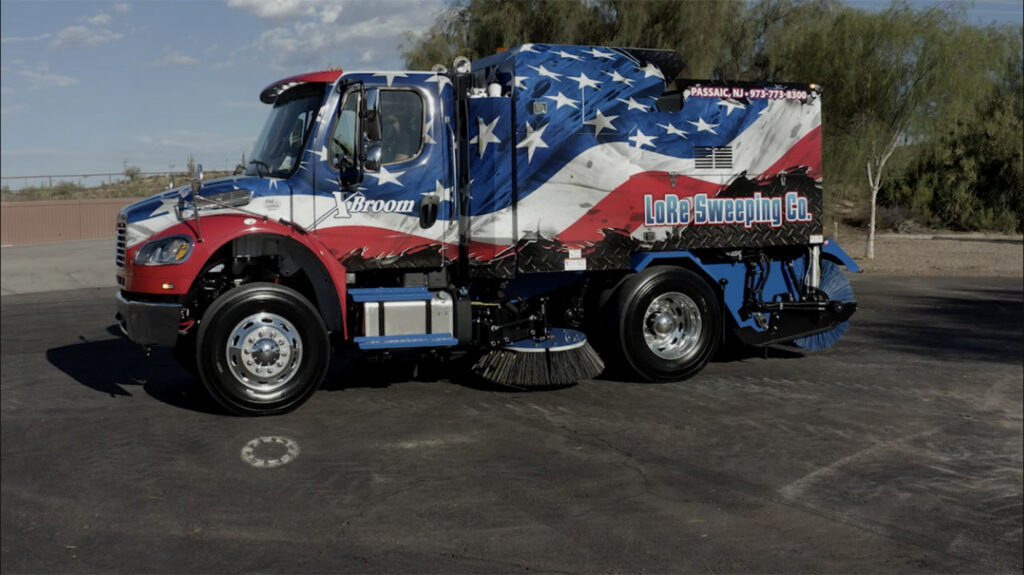
Buying a sweeper for roadwork isn’t like buying another support vehicle. For Colorado contractors, cities, counties, airport operators, and DOT crews, heavy duty construction street sweeper cost has to be judged against production, dump frequency, maintenance exposure, operator efficiency, and how well the machine handles abrasive road debris.
Here’s the thing, the lowest purchase price can become the most expensive option if the sweeper spends too much time dumping, cooling down, waiting on wear parts, or making extra passes behind milling and chip seal operations.
Introduction: Cost Planning for Colorado Sweeping Fleets
Colorado road maintenance creates a demanding cost environment. Front Range construction traffic, mountain corridor milling, freeze-thaw pavement breakup, airport ramp debris, and municipal sediment control all push sweepers harder than light-duty parking lot work.
A realistic budget should include the chassis, broom system, hopper capacity, hydraulic design, dust suppression, control system, wear parts, maintenance labor, financing, freight, and application fit. Public cost data from the Washington Stormwater Center cost guidance shows mechanical broom sweeper pricing can vary widely depending on model year, options, and configuration. That wide spread is exactly why Colorado buyers should price sweepers by lifecycle value, not sticker price alone.
What Drives Heavy Duty Construction Street Sweeper Cost?
A construction-grade mechanical broom sweeper is built for volume, impact, and long duty cycles. Cost usually rises when the machine is configured for high-production sweeping instead of light municipal cleanup.
Key cost drivers include:
- Truck chassis class, engine, transmission, and axle ratings
- Main broom width, gutter broom reach, and broom down-pressure control
- Hopper size, dump height, dump cycle speed, and usable capacity
- Hydraulic system strength and cooling performance
- Water tank capacity and dust suppression layout
- Operator controls, cameras, lighting, and safety equipment
- Stainless wear areas, upgraded brushes, and harsh-duty options
- Manufacturer support, parts availability, and service access
For buyers comparing XBroom street sweeper products, the goal isn’t just to identify the purchase price. It’s to identify the machine that delivers the lowest cost per productive sweeping hour.
Colorado Applications That Change the Budget
Asphalt Milling Cleanup
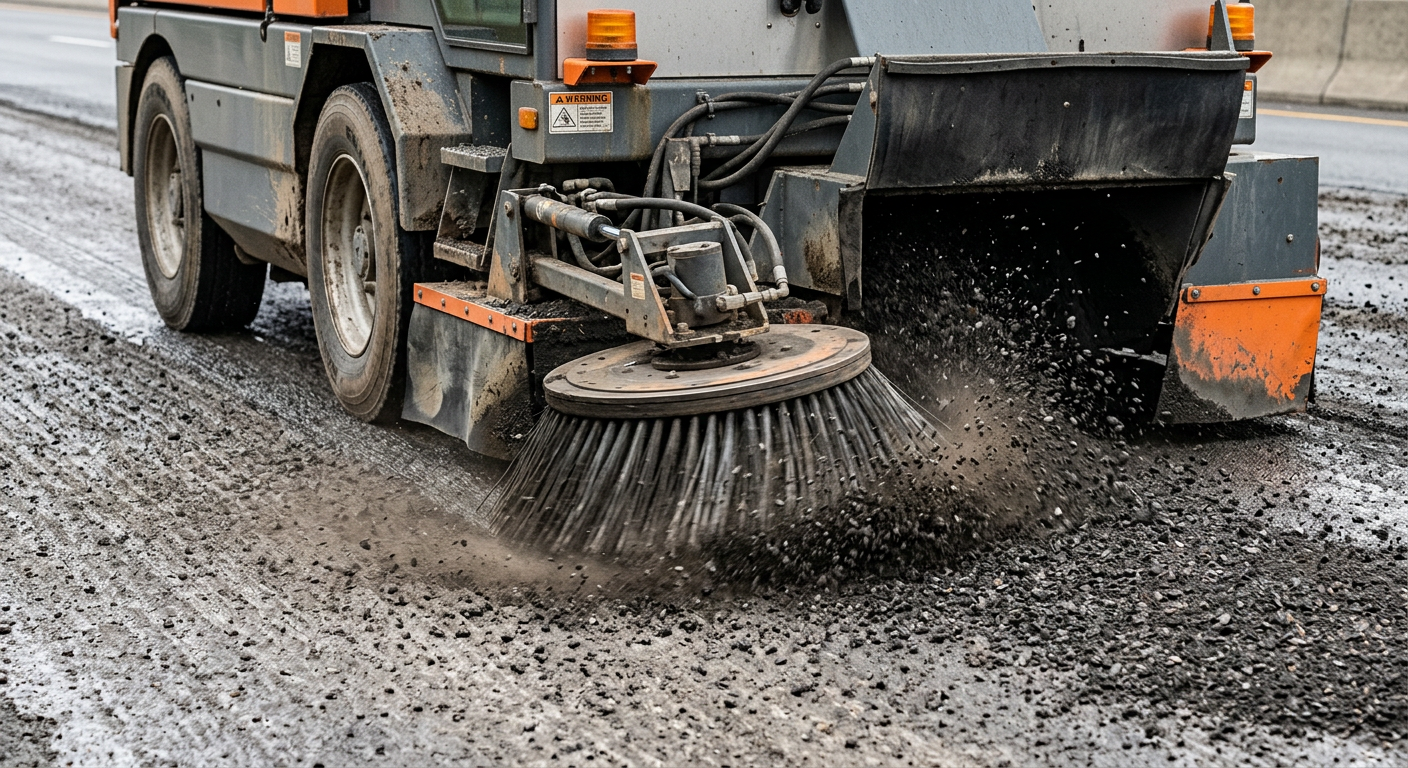
Milling cleanup is one of the toughest use cases for a mechanical street sweeper. The machine has to collect heavy millings, fine dust, chunks, and loose aggregate without falling behind the milling train or delaying paving prep.
In Colorado, milling on I-70, urban arterials, county roads, and airport access routes often requires long sweep windows. A sweeper with a larger usable hopper and strong elevator design can reduce dump interruptions, which protects crew productivity.
Chip Seal and Aggregate Recovery
Chip seal work creates loose stone that must be removed after embedment. Underpowered sweepers may leave aggregate behind or require repeat passes, increasing labor, traffic control time, fuel use, and schedule risk.
A heavy-duty broom sweeper helps crews recover excess material and leave a cleaner surface for traveling public safety.
Municipal Street Maintenance
Colorado municipalities also need sweepers for sediment, winter traction material, downtown cleanup, industrial zones, and storm drain protection. CDOT Stormwater Management Plans reinforce the importance of stormwater planning on transportation projects, while Colorado construction stormwater permit guidance shows why construction activity and sediment control remain serious compliance issues.
New Sweeper Price vs. Lifecycle Cost
For B2B buyers, the better question is not “What does the sweeper cost?” It’s “What does each swept mile cost over the machine’s useful life?”
A lower-priced unit may look attractive during bid review, but the total ownership equation changes quickly when you include:
- Additional dump cycles per shift
- Extra passes to meet cleanliness standards
- Higher broom and wear part consumption
- Downtime waiting for parts or service
- Hydraulic overheating under heavy loads
- Operator fatigue from difficult controls
- Lost production behind milling and paving crews
That’s why many procurement teams evaluate factory-direct support and configuration flexibility. The XBroom Street Sweeper is built for heavy-duty mechanical sweeping applications where uptime, large hopper capacity, high debris pickup, and long sweep time matter.
Budgeting Factors for Colorado Contractors and Agencies
Purchase Price
The initial purchase price depends on chassis availability, options, custom build requirements, and heavy-duty component selection. Contractors and public works departments should request a configuration-based quote instead of relying on generic online estimates.
Use Build a Truck to begin planning the equipment package around your sweeping routes, debris type, dump logistics, and crew requirements.
Financing and Depreciation
Many private sweeping companies and heavy civil contractors finance equipment over several years. Municipal departments may use capital equipment budgets, cooperative purchasing, grant funds, or replacement schedules.
Agencies sometimes evaluate cooperative purchasing options through programs such as the Sourcewell cooperative purchasing contract, depending on their internal procurement rules and approved vendor process.
Consumables and Wear Parts
Brooms, gutter broom segments, elevator wear items, skid shoes, water system components, filters, hydraulic oil, and tires all affect annual cost. Colorado’s abrasive sand, aggregate, and milling debris can increase wear if the sweeper isn’t built for harsh-duty cleanup.
Fleet managers should estimate wear parts based on operating hours, not calendar time. A sweeper running long shifts behind milling crews will consume components differently than a municipal unit assigned to scheduled curb sweeping.
Downtime Risk
Downtime is often the hidden cost that procurement spreadsheets miss. If a sweeper goes down during a night milling operation, the impact can ripple across traffic control, trucking, milling production, paving readiness, and lane reopening commitments.
That’s where manufacturer experience matters. Why Choose XBroom explains how Nescon’s background in general contracting and asphalt milling shaped its focus on high-production, low-maintenance mechanical sweepers.
What Colorado Buyers Should Ask Before Requesting Pricing
Before asking for a quote, fleet managers and procurement officers should clarify the operating profile:
- Will the sweeper work primarily behind milling machines?
- How many hours per shift will it sweep under load?
- What debris is most common, millings, chip seal rock, sand, dirt, or mixed material?
- How far is the dump location from the active work zone?
- Is a high dump or side dump configuration needed?
- Are cameras, lighting, arrow boards, or custom options required?
- Will the machine be operated by multiple drivers across shifts?
- What maintenance labor and parts support does the fleet already have?
Answering these questions helps align cost with real production demands rather than a generic equipment listing.
FAQ: Heavy-Duty Sweeper Pricing in Colorado
How much does a heavy-duty construction street sweeper cost?
The cost depends on chassis selection, broom system, hopper design, hydraulic capacity, water system, safety equipment, and jobsite options. Construction-grade mechanical sweepers often require a custom quote because the right configuration varies by application.
Is a mechanical broom sweeper better for milling cleanup?
For heavy millings, aggregate, and construction debris, mechanical broom sweepers are often preferred because they are built to move and collect heavier material. Vacuum and regenerative air machines may fit other municipal cleaning needs, but aggressive road construction cleanup usually favors mechanical pickup strength.
What affects street sweeper cost the most?
The largest cost factors are chassis class, hopper capacity, hydraulic system design, broom and elevator durability, dump capability, dust control, operator controls, and factory support. Long-term cost is also shaped by maintenance access and parts availability.
Should Colorado municipalities buy or contract sweeping services?
It depends on route frequency, staffing, budget cycle, and emergency needs. If a municipality has regular sediment, winter sand, construction, and stormwater cleanup needs, owning a heavy-duty sweeper may provide better schedule control and lower long-term cost.
Why does hopper capacity matter for cost?
A larger usable hopper can reduce dump frequency, which keeps the sweeper working longer between unload cycles. On milling, chip seal, and airport work, fewer dumps can mean more productive sweep time and less support fleet disruption.
How do I get accurate XBroom pricing?
The fastest path is to discuss your route, debris, chassis needs, and options directly with Nescon. You can start with Contact Nescon or call Phone: 480-505-0001.
Get Colorado Sweeper Pricing Built Around Your Work
If your crews are sweeping millings, chip seal aggregate, road construction debris, airport surfaces, or municipal routes, don’t price a sweeper in isolation. Price the uptime, production, dump frequency, maintenance access, and manufacturer support behind it.
Call Phone: 480-505-0001, visit XBroom by Nescon, or request details through Contact Nescon to discuss a Colorado-ready street sweeper configuration.
Conclusion: Cost Is Only Part of the Buying Decision
A heavy-duty construction sweeper is a production asset, not just a fleet expense. The right machine helps Colorado contractors and public works teams protect paving quality, reduce downtime, manage sediment, and keep crews moving through demanding roadwork schedules.
When you compare options, look beyond the upfront number. The sweeper that stays productive longer, dumps less often, and requires less maintenance is often the one that delivers the strongest lifecycle value.
About XBroom by Nescon
XBroom by Nescon is a U.S.-based street sweeper manufacturer specializing in heavy-duty mechanical street sweepers designed for high-production sweeping applications. XBroom sweepers are built to support asphalt milling, road construction, municipal street maintenance, and industrial sweeping operations.
Engineered for durability, large hopper capacity, long sweep times, and reduced downtime, XBroom street sweepers help contractors and municipalities maximize productivity while minimizing maintenance and dump frequency.
Ready to Upgrade Your Street Sweeper?
Call 480-505-0001 or Contact Nescon to request pricing, schedule a demo, or learn more about XBroom street sweeping solutions.