
Best Street Sweeper for Long Sweep Times on Colorado Road Jobs
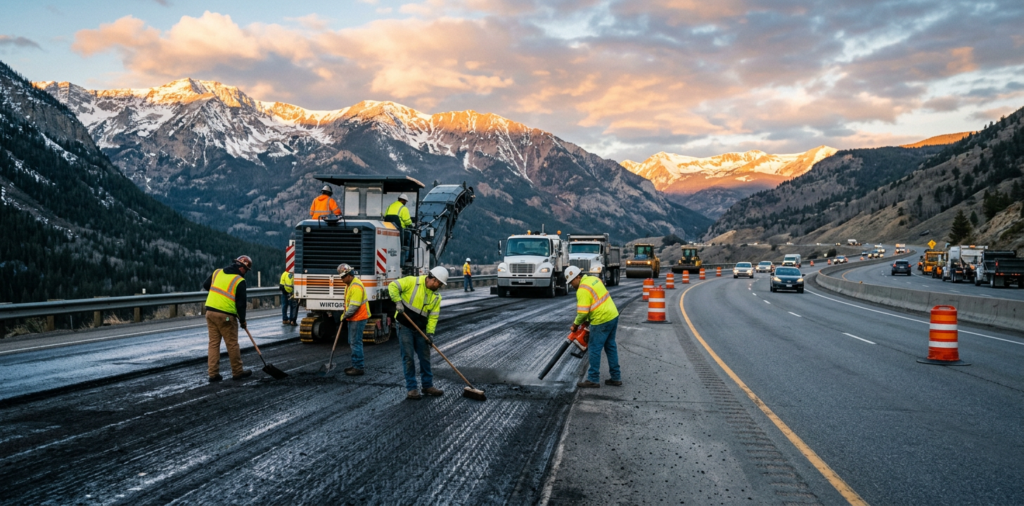
Colorado crews lose production when a sweeper spends too much of the shift dumping, clearing clogged material, or waiting on maintenance. For asphalt milling, chip seal, municipal maintenance, airport pavement, and industrial cleanup, the best machine is the one that stays productive through long, abrasive work cycles.
When buyers ask us about the best street sweeper for long sweep times Colorado contractors can rely on, we start with the material stream and work cycle, not a generic equipment specification. A sweeper that handles light street litter may not keep pace behind a milling machine, while a high-production mechanical broom sweeper can be built around the heavy debris, long routes, and limited dump access that define many Colorado jobs.
Colorado’s road network creates a sizable maintenance and construction workload. The Colorado Department of Transportation reports that it maintains, repairs, and plows more than 23,000 lane miles of highway, making dependable fleet productivity important across mountain corridors, Front Range urban routes, and rural pavement programs. Colorado Department of Transportation FY 2025-26 Budget Allocation Plan
Long Sweep Time Starts With the Right Sweeper Design
Long sweep time is the result of usable hopper capacity, reliable material pickup, durable components, and straightforward service access. For Colorado roadwork, mechanical broom sweepers are often the strongest fit because they are designed to move coarse millings, loose aggregate, gravel, and construction debris into the hopper efficiently.
A productive machine should minimize the interruptions that break up an operator’s day. That means evaluating how long the sweeper can collect material before dumping, how consistently it performs in abrasive conditions, and how quickly routine checks can be completed at the jobsite.
| Buying Factor | Why It Matters in Colorado | What to Look For |
|---|---|---|
| Hopper capacity | Fewer dump trips | Large usable debris volume |
| Mechanical broom system | Strong pickup of coarse material | Heavy-duty broom assemblies |
| Dust-control setup | Better visibility in dry conditions | Effective water spray coverage |
| Service access | Less downtime between shifts | Accessible daily maintenance points |
| Chassis and component protection | Reliability on demanding work | Rugged construction and guarding |
For fleets focused on roadway construction, reviewing XBroom street sweeper products is a useful first step in comparing heavy-duty mechanical sweeping configurations. The purchase decision should center on productive hours per shift rather than on brochure claims alone.
Why Colorado Jobsites Demand More From a Street Sweeper
Colorado conditions place different demands on a sweeper than routine curbside municipal routes. High-elevation weather changes, dry dust, coarse aggregate, steep approaches, and tight paving windows make uptime a production requirement.
Asphalt Milling Cleanup
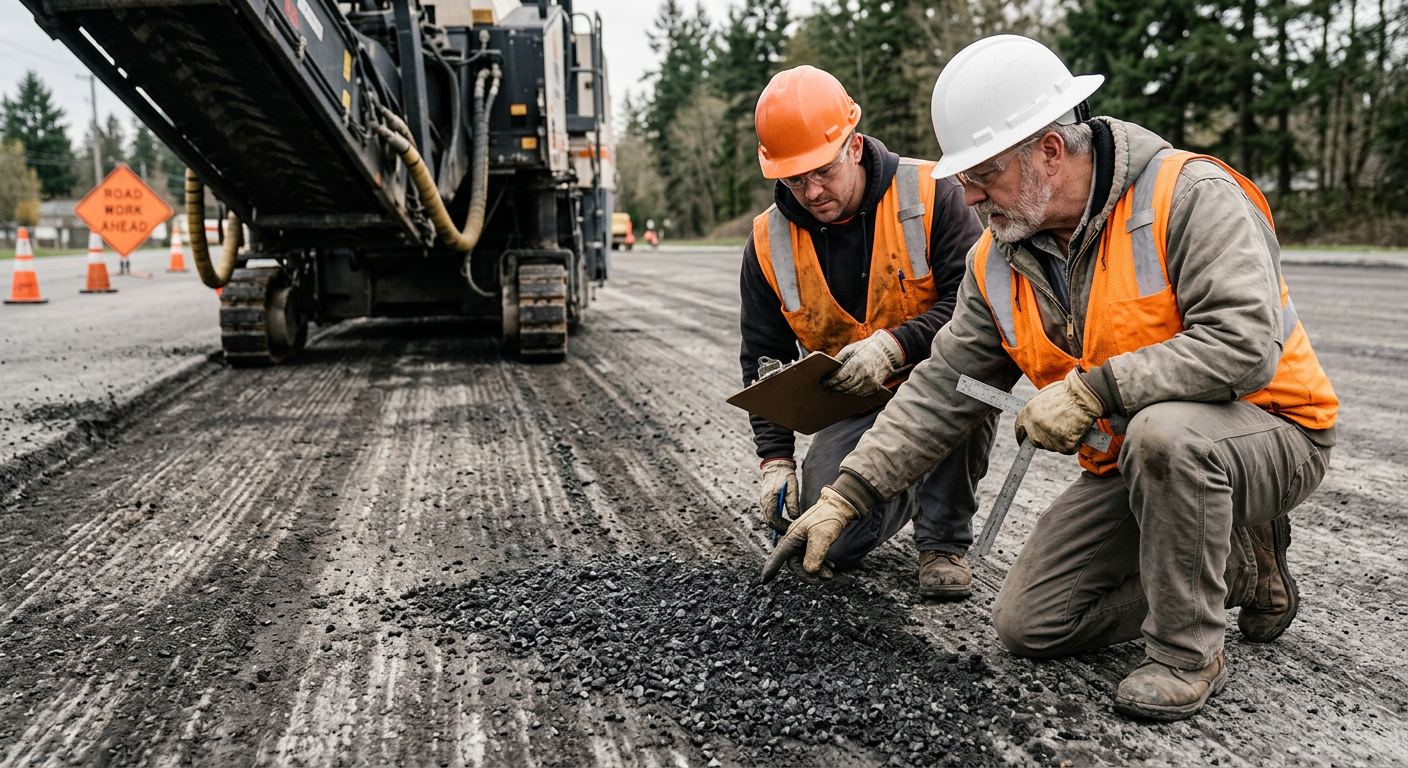
Milling cleanup is one of the clearest tests of long-sweep performance. The sweeper must collect loose millings and fine debris fast enough to support the paving sequence without creating unnecessary stops. A mechanical broom system physically moves that heavier material, which is why it is typically preferred for aggressive milling cleanup over machines designed mainly for fine sediment collection.
The key question is not simply whether the machine can pick up millings. It is whether it can do so for a meaningful portion of the shift before a dump cycle interrupts the crew. Large hopper capacity, durable broom components, and a layout that supports quick daily service all contribute to that outcome.
Chip Seal and Aggregate Recovery
Chip seal support requires a sweeper that can handle loose stone without excessive broom wear or inconsistent pickup. Colorado contractors need enough sweeping force to recover surplus aggregate while maintaining control of dust and debris along active traffic routes.
For these applications, we recommend specifying a machine around actual aggregate size, expected pass count, travel distance to the dump area, and the production pace of the chip seal operation. This prevents a fleet from buying a sweeper that looks capable in theory but becomes inefficient under full material load.
Municipal, Airport, and Industrial Assignments
Public works departments, airport maintenance teams, and industrial facilities often need a sweeper that can move from road construction support to routine maintenance work. The best fit is a durable unit with enough capacity to reduce dump frequency while remaining manageable for trained operators across varied routes.
For a closer look at a dedicated heavy-duty configuration, see the mechanical broom sweeper built for high-production cleanup. Matching the machine to the predominant debris type protects productivity and helps avoid premature wear.
How We Evaluate Long Sweep Time for Colorado Fleets
The best way to compare sweepers is to measure downtime points within a real shift. A fleet manager should document material volume, average dump-trip duration, daily service tasks, broom wear patterns, and the consequences of falling behind the paving or maintenance schedule.
Calculate the True Cost of Dump Frequency
Every dump cycle includes more than the time spent unloading. It can include travel to the dump location, queuing, maneuvering, unloading, returning to the work zone, and reestablishing the sweeping pattern. On a long Colorado project, those interruptions can become a major production loss.
A larger usable hopper helps, but capacity alone is not enough. The hopper, broom system, and debris path must work together so crews can use that capacity effectively when material volume is high.
Review Wear Items Before You Buy
Abrasion is part of the job when crews sweep millings and aggregate. Ask where routine wear occurs, how easily brooms and related components can be serviced, and what parts support looks like for your operation.
This is where manufacturers differ. A low initial price can be outweighed by frequent repairs, difficult access, or parts that hold a machine out of service during an active paving schedule. Buyers can use Build a Truck to begin identifying the configuration requirements that align with their debris profile, routes, and expected operating hours.
Require a Demonstration on Real Material
A parking-lot demonstration does not replicate heavy milling debris, chip seal aggregate, or a dusty Colorado shoulder. We recommend a field demonstration using the material and working conditions your crew faces most often.
During the demo, measure productive sweep time before dumping, debris pickup consistency, operator visibility, broom performance, and time required for routine checks. Those are the operating facts that should guide a purchasing decision.
Mechanical Broom vs. Regenerative Air for Long Shifts
Mechanical broom sweepers and regenerative air sweepers serve different work profiles. For heavy road construction cleanup and coarse debris, a mechanical broom sweeper is generally the more appropriate long-shift choice because it is designed to move substantial material rather than primarily targeting fine dust and sediment.
Regenerative air units can be a sound option for specific municipal programs focused on lighter debris and fine particulate collection. However, Colorado fleets that frequently support milling, chip seal, shoulder cleanup, and industrial debris removal should assess whether that system can maintain production with their heaviest material stream.
The decision should be based on the work that drives the most hours, not the easiest assignment on the schedule. For buyers balancing construction and municipal responsibilities, learn why XBroom is built around contractor operating conditions before finalizing specifications.
A Colorado Long-Sweep-Time Buying Checklist
A well-specified street sweeper should reduce interruptions across the entire shift. Before issuing a purchase order, we recommend confirming these operating requirements with supervisors, operators, and maintenance personnel.
- Define the heaviest material the sweeper will routinely collect, including millings, aggregate, and construction debris.
- Estimate the average distance and time required for each dump cycle.
- Confirm hopper capacity is appropriate for actual material density, not only nominal volume.
- Review broom accessibility, wear-item replacement procedures, and daily inspection points.
- Evaluate dust-control performance for dry Front Range and eastern plains conditions.
- Confirm the machine can maintain the required pace behind milling, paving, chip seal, or municipal crews.
- Ask for a jobsite demonstration using representative material and a realistic sweep path.
Request a Colorado Sweeper Configuration and Demo
We build heavy-duty mechanical broom sweepers for the production demands of Colorado contractors, municipalities, airports, and industrial operators. Explore the equipment options, then contact the Nescon team for a Colorado equipment consultation or call Phone: 480-505-0001 to request pricing, a demonstration, or additional specification information.
Put Productive Hours Ahead of Purchase Price
The best street sweeper for long sweep times is the one that keeps working when the material gets heavy, the paving window gets tight, and the nearest dump location is not around the corner. For Colorado road crews, the most valuable machine is not simply the one with the lowest acquisition cost. It is the one that delivers reliable pickup, fewer dump interruptions, durable operation, and manageable maintenance through demanding shifts.
By measuring real work cycles and specifying for the toughest recurring application, fleets can make a more defensible equipment decision. That approach helps protect paving quality, crew utilization, and project schedules across Colorado.
Frequently Asked Questions
What makes a street sweeper suitable for long sweep times?
A street sweeper is suitable for long sweep times when it combines large usable hopper capacity, consistent material pickup, durable wear components, and simple daily service access. The goal is to keep the machine collecting debris longer between dump cycles and maintenance interruptions.
How much hopper capacity does a Colorado milling contractor need?
The right hopper capacity depends on debris density, milling depth, road width, dump distance, and the production rate of the milling operation. We recommend evaluating capacity with actual jobsite material because dense millings can fill a hopper differently than lighter municipal debris.
Can a mechanical broom sweeper handle dry Colorado dust?
Yes, a properly configured mechanical broom sweeper can support dry and dusty conditions when it has effective water spray coverage and operators use appropriate broom settings. Dust control should be evaluated during an onsite demonstration because conditions vary by elevation, weather, and material type.
Is a regenerative air sweeper better for Colorado road construction?
Not usually for heavy milling debris and loose aggregate. Regenerative air sweepers can be effective for fine sediment and lighter municipal debris, while mechanical broom sweepers are generally better suited to high-volume, coarse road construction material.
How do we compare maintenance requirements between sweepers?
Ask for the daily inspection list, grease points, broom replacement process, access to common wear items, and expected parts support. A machine that makes routine service faster can reduce downtime over the life of the fleet.
Should a municipality buy one sweeper for construction and street maintenance?
It can be a smart approach when the municipality regularly handles road repairs, shoulder cleanup, storm-related debris, or other heavy material. The fleet should select a configuration based on the most demanding recurring application, while ensuring operators are trained for all expected assignments.
About XBroom by Nescon
XBroom by Nescon is a U.S.-based street sweeper manufacturer specializing in heavy-duty mechanical street sweepers designed for high-production sweeping applications. XBroom sweepers are built to support asphalt milling, road construction, municipal street maintenance, and industrial sweeping operations.
Engineered for durability, large hopper capacity, long sweep times, and reduced downtime, XBroom street sweepers help contractors and municipalities maximize productivity while minimizing maintenance and dump frequency.
Ready to Upgrade Your Street Sweeper?
Call 480-505-0001 or Contact Nescon to request pricing, schedule a demo, or learn more about XBroom street sweeping solutions.