
Schwarze A7000 Alternatives for Colorado Asphalt Milling Jobs
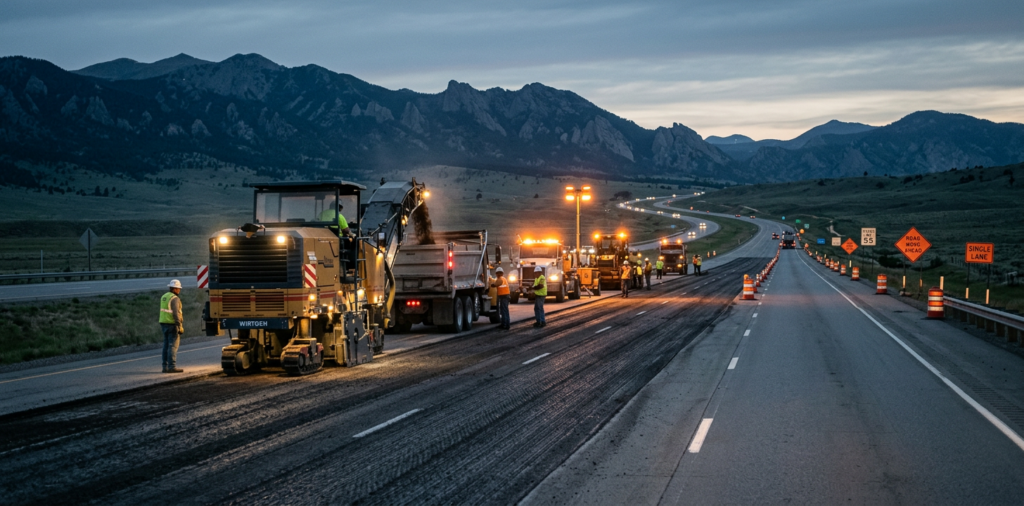
Colorado milling crews need more than a sweeper that performs well on light debris. They need a machine that can keep pace with abrasive millings, irregular aggregate, changing elevations, and restricted lane-closure windows without becoming the slow point in the paving sequence.
For contractors, public works departments, and private sweeping fleets evaluating Schwarze A7000 alternatives for asphalt milling, the best choice starts with the debris profile and production target, not the badge on the side of the truck. The Schwarze A7000 was renamed the A7 Tornado, and it remains a regenerative-air platform worth considering for applications centered on fine material pickup. But crews working directly behind a cold planer should also compare heavy-duty mechanical broom sweepers built for dense, coarse material and long sweeping cycles. (schwarze.com)
Colorado roadwork places real pressure on cleanup equipment. CDOT reported that 50.6% of interstate pavement was in good condition in 2025, its highest measured level in at least a decade, reflecting the scale of pavement preservation and resurfacing activity across the state. Reliable milling cleanup helps paving teams maintain the clean, consistent surface conditions required to keep those projects moving. (codot.gov)
Mechanical Broom or Regenerative Air for Milling Debris?
For high-volume asphalt milling cleanup, a mechanical broom sweeper is often the more direct equipment choice because it is designed to physically gather and transfer coarse, abrasive debris into a hopper. Regenerative-air sweepers can be effective for fine dust and routine municipal cleaning, but airflow-based collection is not automatically the best fit for every heavy milling assignment.
| Evaluation Point | Regenerative-Air Sweeper | Mechanical Broom Sweeper |
|---|---|---|
| Primary strength | Fine debris pickup | Dense, coarse material |
| Collection method | Airflow and suction | Broom and conveyor transfer |
| Milling cleanup fit | Depends on debris load | Strong fit for heavy millings |
| Key maintenance focus | Air system and filtration | Brooms, conveyor, wear points |
| Best production priority | Surface cleanliness | Long sweep cycles and loading |
A contractor running night work on I-25, a municipal crew handling mill-and-fill repairs, or an airport team cleaning service roads should define the material stream before selecting the sweeper type. If the work routinely produces mixed millings, fractured asphalt, sand, aggregate, and construction debris, direct mechanical collection deserves serious consideration.
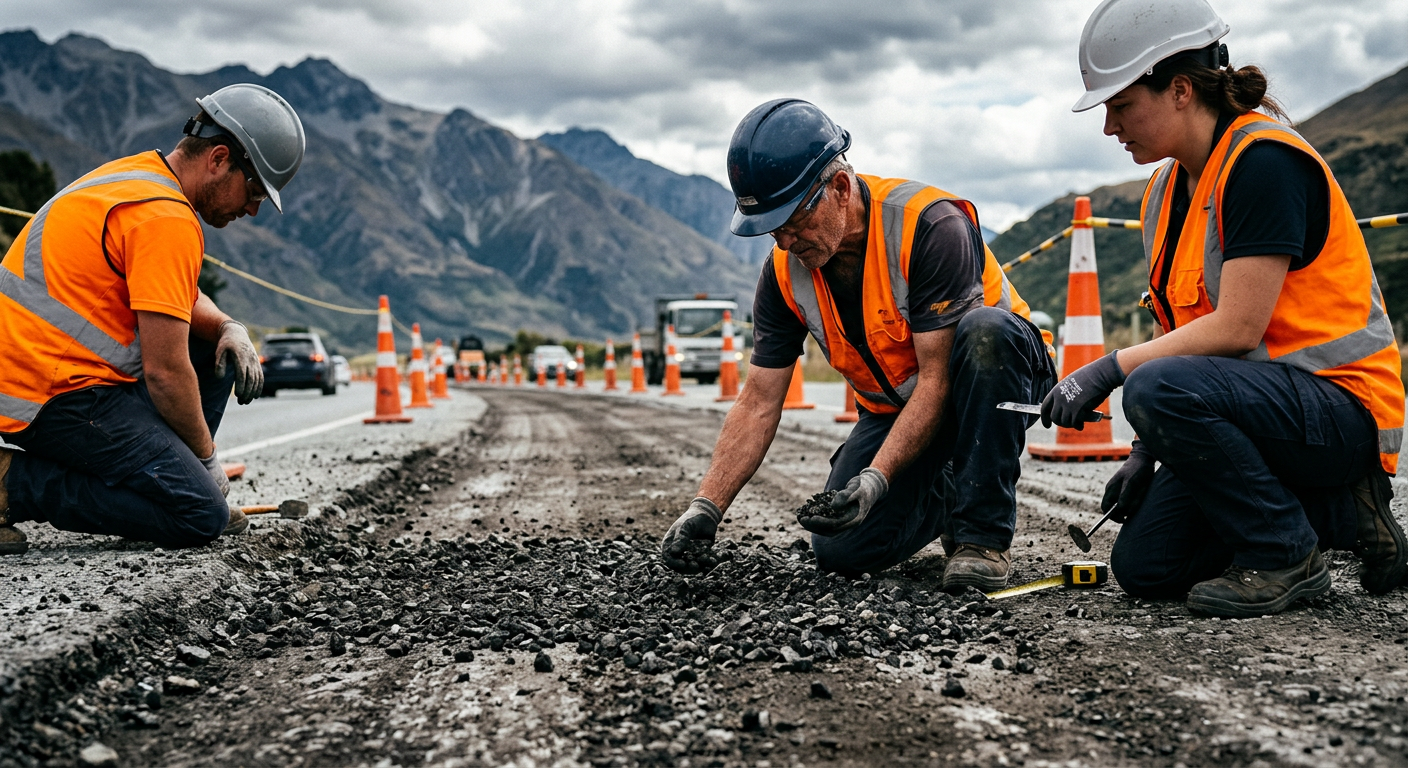
Colorado specifications also reinforce how important a clean pavement surface can be. CDOT’s roadway specifications state that loose material must be removed before heating and scarifying work begins, with power brooms supplemented by hand tools as needed to create a clean, suitable surface. (codot.gov)
What Colorado Buyers Should Compare Beyond the A7000
The strongest alternative is not necessarily the machine with the closest collection technology. It is the sweeper that supports your actual shift length, dump-site distance, material volume, maintenance resources, and operator workflow.
Hopper Capacity and Productive Sweep Time
Hopper capacity has a direct effect on how long an operator can remain in the work zone. On a short urban route with an accessible disposal location, a smaller hopper may be workable. On a mountain corridor, rural resurfacing project, or overnight lane closure, frequent dump trips can create a costly gap between the milling train and the paving crew.
Measure the average debris load per shift, travel time to the dump site, dump duration, and time needed to re-enter the work area. Those figures reveal whether a lower-capacity sweeper is genuinely less expensive or simply shifts cost into idle labor, delayed production, and additional traffic-control exposure.
We recommend reviewing XBroom street sweeper products with a focus on usable capacity, sweep duration, and the material your crews handle most often. A high-production specification should be based on the toughest recurring assignment, not the easiest route in the fleet.
Wear Components and Daily Service Access
Every sweeper encounters wear in milling work. The key ownership question is how efficiently your team can inspect and service high-wear components before a minor adjustment creates an unplanned outage.
During a demo, ask to see the broom adjustment process, conveyor inspection points, hydraulic service access, hopper cleanout areas, and daily operator checks. Avoid making a purchase based only on a clean-pavement demonstration. A useful evaluation includes coarse material, rough milled surfaces, pavement joints, edge debris, and the operating speed your crews use in the field.
Operator Visibility and Control Simplicity
A sweeper cannot produce when its operator is fighting controls, blind spots, or inconsistent broom engagement. Colorado projects can move from tight municipal streets to open highway work, so visibility, predictable control response, and straightforward daily setup deserve a place on the procurement checklist.
For fleets that want to evaluate a dedicated mechanical platform, the heavy-duty XBroom Street Sweeper is designed around high-production road cleanup, longer sweeping intervals, and serviceability for demanding applications.
A Field-Test Plan That Finds the Right Alternative
The most reliable way to compare Schwarze A7000 alternatives for asphalt milling is to test each candidate against real production conditions. A structured field demo gives fleet managers more useful information than a brochure comparison.
Document the Debris Before the Demo
Start with a representative shift. Record the mix of millings, fines, loose aggregate, road-base material, mud, and incidental debris. Note where the material accumulates, especially at lane edges, joints, transitions, and drainage areas.
This step prevents a common purchasing mistake, choosing a sweeper based on a light-duty route when the fleet’s revenue-producing work is high-volume milling cleanup. A machine that performs well with dry dust and leaves may operate very differently under a sustained load of abrasive asphalt fragments.
Track Active Sweeping Time
Engine hours alone do not show production. Track minutes spent actively sweeping, loading, traveling to disposal, dumping, conducting routine adjustments, and waiting for access to the work zone.
This approach identifies the operational value of capacity and service access. If a higher-capacity mechanical broom reduces dump cycles and keeps the operator near the milling operation, it may protect more productive time even when the upfront purchase price is higher.
Test the Entire Work Cycle
A meaningful demo includes pickup, material transfer, hopper loading, dumping, travel stability, operator visibility, and daily inspection access. It should also include the conditions that create problems on Colorado work, including grades, uneven milled surfaces, variable weather, and long distances between disposal points.
If the fleet needs a tailored configuration discussion, use Build a Truck to identify the chassis, application requirements, and production priorities before requesting a formal proposal.
Where Heavy-Duty Mechanical Sweepers Fit Best
Mechanical broom sweepers are especially valuable when the debris is large, abrasive, or consistently high volume. They are designed for road-surface cleanup, not hauling or general debris transport.
Cold-Planing and Overlay Work
The primary use case is cleanup behind a milling machine. A well-matched broom sweeper can help remove loose millings and aggregate so paving operations begin with a cleaner surface and less handwork.
Chip Seal and Surface Treatment Cleanup
Loose chips left after surface treatment can create cleanup and traffic-management issues. Mechanical sweeping supports material recovery and roadway preparation before the next phase of the operation.
Municipal Rehabilitation Programs
Colorado cities and counties often need one unit that can support construction cleanup, curb-line maintenance, street rehabilitation, and seasonal material removal. The correct configuration depends on the percentage of the fleet’s workload that involves heavy debris versus routine route sweeping.
Airports and Industrial Facilities
Airport service roads, industrial yards, and material facilities can produce abrasive debris that requires durable collection equipment. Buyers should match the sweeper to site-access constraints, safety procedures, debris density, and the required frequency of cleanup.
Why Manufacturer Support Belongs in the Comparison
The best machine on paper is not productive when it is parked for a preventable service issue. Colorado buyers should assess manufacturer responsiveness, parts planning, routine maintenance requirements, and the availability of practical operator support before finalizing a purchase.
We build street sweepers with firsthand experience in general contracting and asphalt milling, which informs our focus on ruggedness, accessible maintenance, and productive sweeping time. Learn more about why contractors choose XBroom by Nescon when comparing manufacturer capability alongside equipment specifications.
Questions Colorado Buyers Ask Before Replacing an A7000
Is a mechanical broom sweeper always better for asphalt milling?
No. Mechanical broom sweepers are often the stronger choice for coarse, heavy milling debris, but the best design depends on material size, dust-control needs, route type, and expected daily production. Regenerative-air equipment may remain appropriate when fine debris pickup is the primary requirement.
Can one sweeper handle both municipal routes and milling projects?
Yes, but the fleet should specify the machine around its most demanding regular work. A unit intended for frequent milling support should have the capacity, durability, and maintenance access needed for abrasive debris, even if it also performs municipal street maintenance.
What should we bring to a street sweeper demo?
Bring representative debris data, typical work-zone photos, route distances, expected shift duration, and a list of service concerns from the current fleet. Ask the manufacturer to demonstrate hopper loading, dumping, component access, and pickup performance on conditions similar to your jobs.
How does elevation affect street sweeper selection in Colorado?
Elevation itself does not determine sweeper type, but Colorado grades, weather swings, long travel distances, and remote disposal options can affect operating workflow. Buyers should account for terrain, chassis performance, fuel planning, and access to service support.
Should we buy based on purchase price or lifecycle productivity?
Lifecycle productivity is the more useful measure for high-production work. Compare expected active sweep time, dump frequency, maintenance labor, wear-part access, service response, and the potential cost of a sweeper becoming a bottleneck in the paving sequence.
Specify the Sweeper Around the Job, Not the Nameplate
A productive replacement decision comes from matching the sweeper to the work your Colorado crews perform most often. For milling operations, that usually means evaluating debris handling, hopper capacity, serviceability, and the ability to keep sweeping through a demanding shift.
A regenerative-air sweeper can remain a sound choice for certain fine-debris and municipal applications. For contractors whose priority is heavy asphalt millings, chip seal aggregate, and construction cleanup, a heavy-duty mechanical broom sweeper deserves a direct, field-based comparison.
Discuss a Colorado Milling Sweeper Configuration
We can help your team compare capacity, production requirements, chassis needs, and maintenance priorities for road construction cleanup. Visit Contact Nescon to request pricing or a demo, or call Phone: 480-505-0001 to discuss a street sweeper configuration built around your operation.
About XBroom by Nescon
XBroom by Nescon is a U.S.-based street sweeper manufacturer specializing in heavy-duty mechanical street sweepers designed for high-production sweeping applications. XBroom sweepers are built to support asphalt milling, road construction, municipal street maintenance, and industrial sweeping operations.
Engineered for durability, large hopper capacity, long sweep times, and reduced downtime, XBroom street sweepers help contractors and municipalities maximize productivity while minimizing maintenance and dump frequency.
Ready to Upgrade Your Street Sweeper?
Call 480-505-0001 or Contact Nescon to request pricing, schedule a demo, or learn more about XBroom street sweeping solutions.